Sweden Premium Color Contact Lens Selection
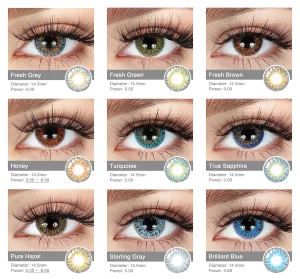
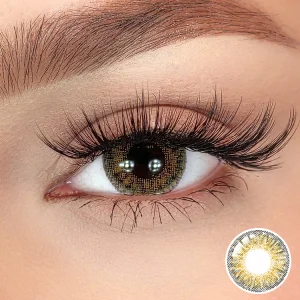
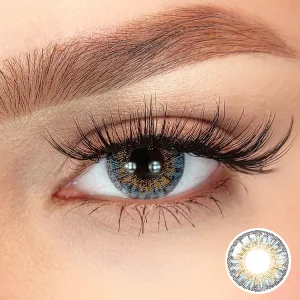
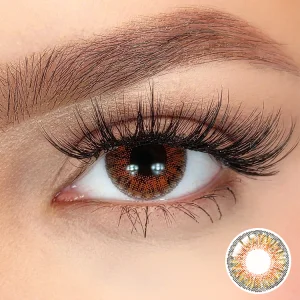
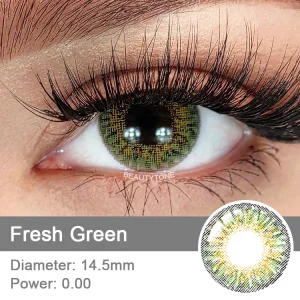
Explore our highly curated collection of color contact lenses, engineered with multi-tone technology and tailored for Swedish consumer demands. Click each product to learn more and request a wholesale catalog.
Executive Summary: The Evolution of Sweden's Cosmetic Lens Ecosystem
The Swedish contact lens market represents one of the most mature and quality-focused sectors in Northern Europe. Driven by a high standard of living, widespread health consciousness, and a deep-rooted cultural appreciation for clean, minimalist aesthetics, Swedish consumers approach the purchasing of colored contact lenses with high expectations. In Sweden, cosmetic eye enhancements are no longer confined to theatrical subcultures; they have firmly entered the daily beauty routines of urban professionals in Stockholm, Gothenburg, and Malmö.
However, importing and distributing colored contact lenses in the Swedish market presents unique challenges. The region operates under the strict oversight of the Swedish Medical Products Agency (Läkemedelsverket), complying fully with the updated European Union Medical Device Regulation (EU MDR 2017/745). Consequently, Swedish B2B buyers—ranging from leading optical chains like Synsam and Specsavers to specialized e-commerce beauty portals—prioritize suppliers who offer full regulatory compliance, flawless biocompatibility, and consistent batch quality. To gain a competitive advantage, exporters must deliver significant "information gain" regarding material safety, oxygen permeability, and pigment encapsulation technology.
Sweden Commercial & Retail Landscape
Understanding the structure of the Swedish eye care market is critical for any international exporter seeking to establish a robust footprint. The retail optical channel in Sweden is highly consolidated, dominated by several key multinational and domestic chains:
- Synsam: As the leading optical retailer in the Nordic region, Synsam operates over 200 stores in Sweden, focusing on high-quality eyewear, advanced lens technology, and ecological sustainability.
- Specsavers: Known for offering affordable eye care, Specsavers has a massive retail presence across Sweden, relying heavily on volume-driven procurement and strict certification benchmarks.
- Synoptik: A trusted optical chain providing premium eye examinations and a wide range of corrective and cosmetic contact lenses.
- Digital E-Commerce Platforms: Online retailers such as LensWay, Lenson, and Netlens command a substantial market share in Sweden, appealing to younger demographics who demand quick home deliveries and a diverse selection of cosmetic lens colors.
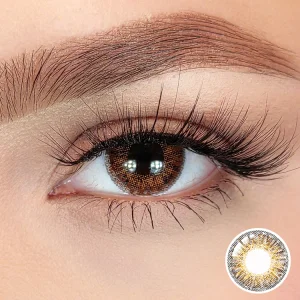
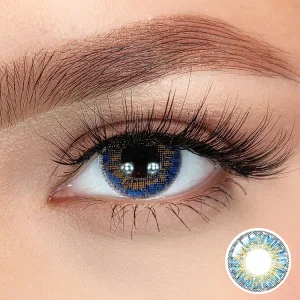
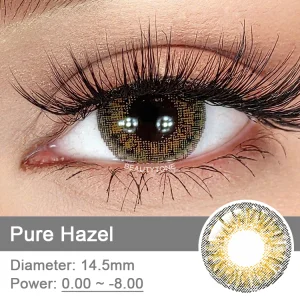
Furthermore, Swedish consumers show a marked preference for "lagom"—the Swedish concept of "just enough." This translates directly into color preferences. While vibrant sapphire blues and emerald greens have their place in costume design, the highest-volume daily wear items are subtle 3-tone blends, warm hazel, soft gray, and delicate brown lenses that gently define the iris without appearing unnatural. Lenses must mimic the natural texture of the human eye while ensuring long-term physiological safety.
Global Sourcing Dynamics & China's Production Supremacy
Globally, the manufacturing of cosmetic contact lenses has transitioned from labor-intensive manual operations to fully automated, high-precision casting lines. The integration of advanced polymer chemistry and robotic inspection has allowed modern factories in China, particularly in industrial hubs like Dongguan, to surpass traditional European and American manufacturing sites in both production output and innovation speed.
For Swedish importers, sourcing from an advanced Chinese facility like Dongguan Dailylensie Co., Ltd. offers a distinct cost-to-quality advantage. Western optical brands often struggle with rigid supply chains and high capital expenditures. By partnering with a modern, fully automated facility in China, Swedish distributors can achieve flexible customization, faster product iteration cycles, and competitive pricing, all while maintaining the stringent quality controls required by European medical watchdogs.
Dongguan's manufacturing ecosystem is built on a highly responsive supply chain, enabling sourcing of premium raw materials (such as US-imported biocompatible polymers) and automated optical inspection (AOI) systems that minimize defect rates to virtually zero. This synergy of high volume and high precision makes it the premier sourcing destination for European cosmetic lens brands.
Technical Roadmap: Next-Gen Contact Lens Engineering
To compete effectively in the Swedish market, cosmetic contact lenses must be engineered with advanced material science. Our technical roadmap focuses on balancing physiological health with aesthetic design.
-
Sandwich Color Lock Technology
Pigment layers are encapsulated between two micro-thin layers of clear hydrogel material. This prevents the color pigments from directly touching the cornea or conjunctiva, eliminating irritation and pigment leaching.
-
High-Oxygen Transmissibility (Dk/t)
Utilizing high-performance hydrophilic polymers that facilitate optimal oxygen flow to the cornea. This reduces the risk of corneal hypoxia, redness, and discomfort during long hours of wear in dry Swedish indoor environments.
-
Biocompatible Hydrogel Hydration
Formulated with water content optimized between 38% and 42% to ensure structural stability and reduce dehydration-driven lens shrinkage. This keeps the eyes hydrated in low-temperature Nordic climates.
-
Precision Edge Profile Design
Each lens features a smoothly tapered edge that minimizes friction with the eyelid during blinking, promoting natural tear exchange and day-long comfort.
Who We Are | Dongguan Dailylensie Co., Ltd.
At Dongguan Dailylensie Co., Ltd., we bridge the gap between medical-grade manufacturing precision and cutting-edge eye aesthetics. Based in Dongguan, we are a modern contact lens factory specializing in full-service OEM/ODM and private-label solutions for the global market.
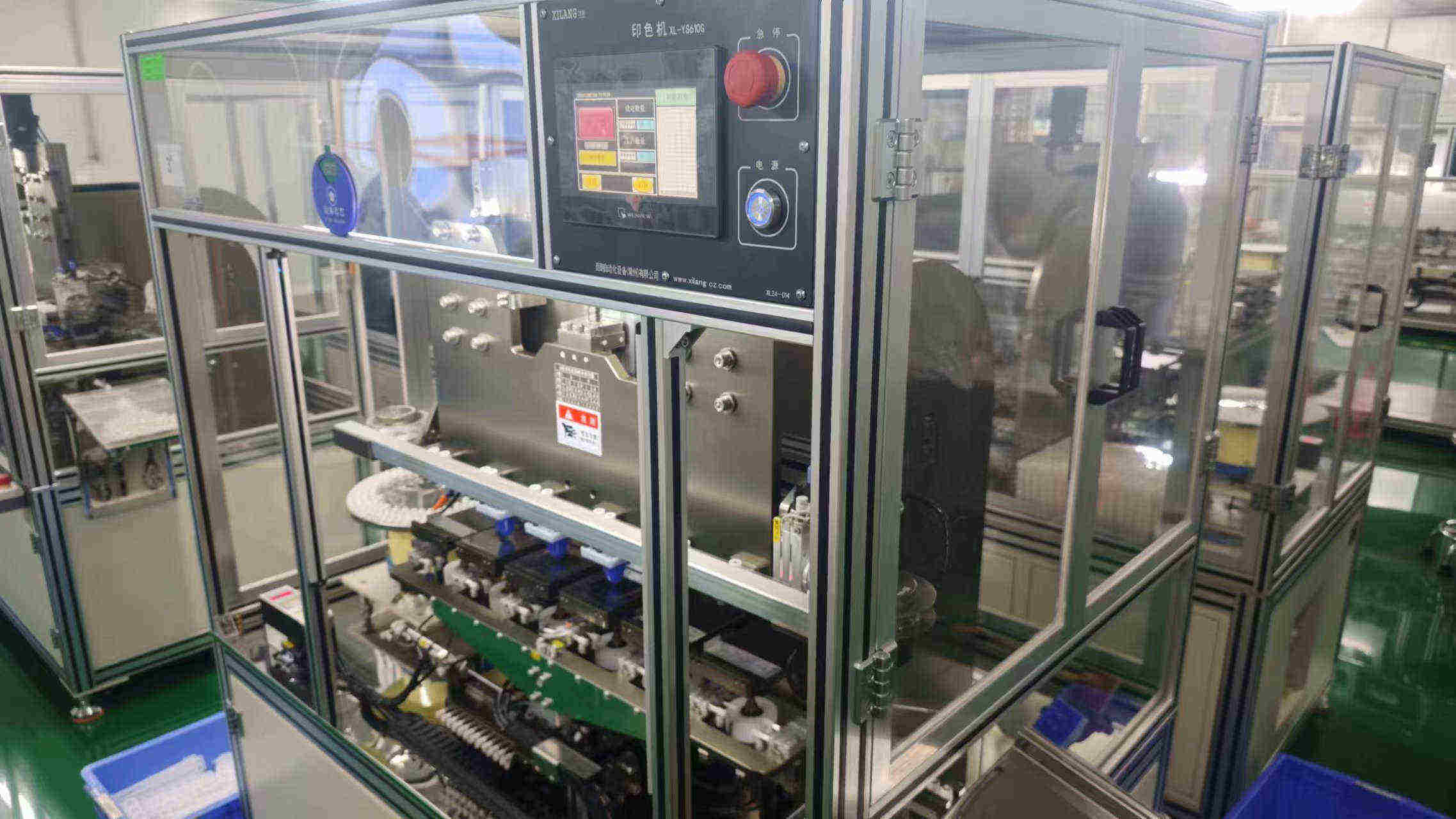
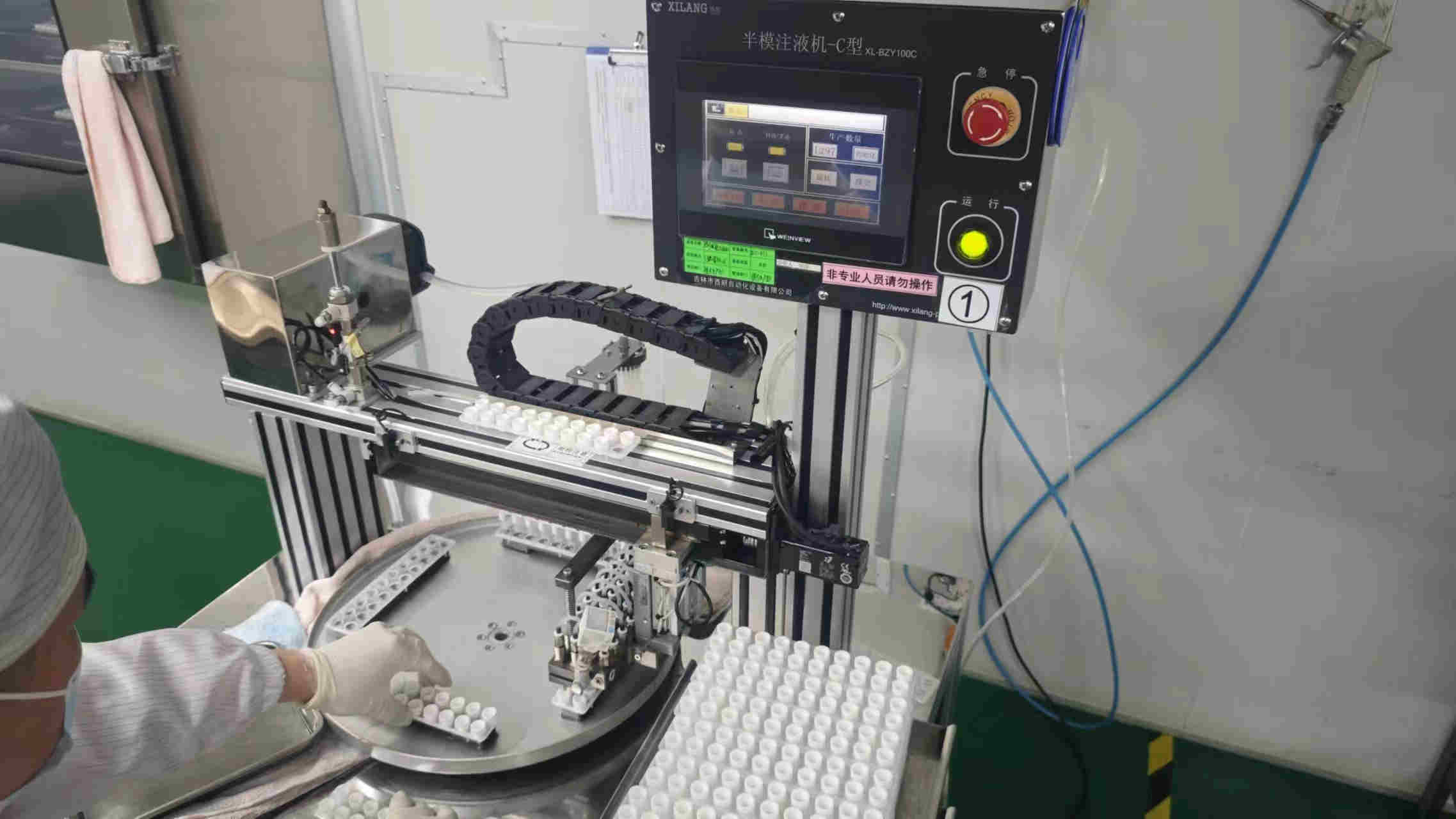
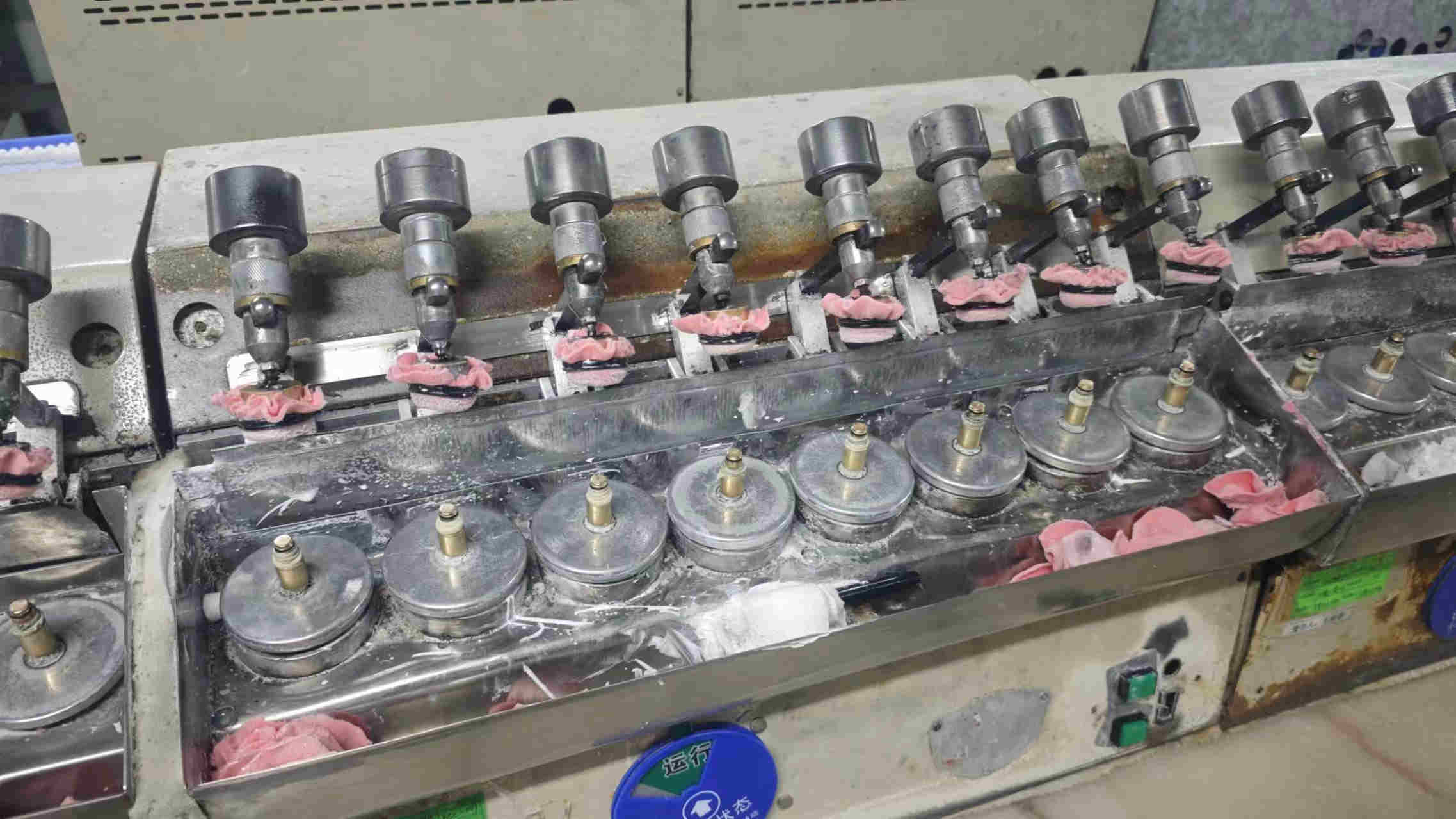
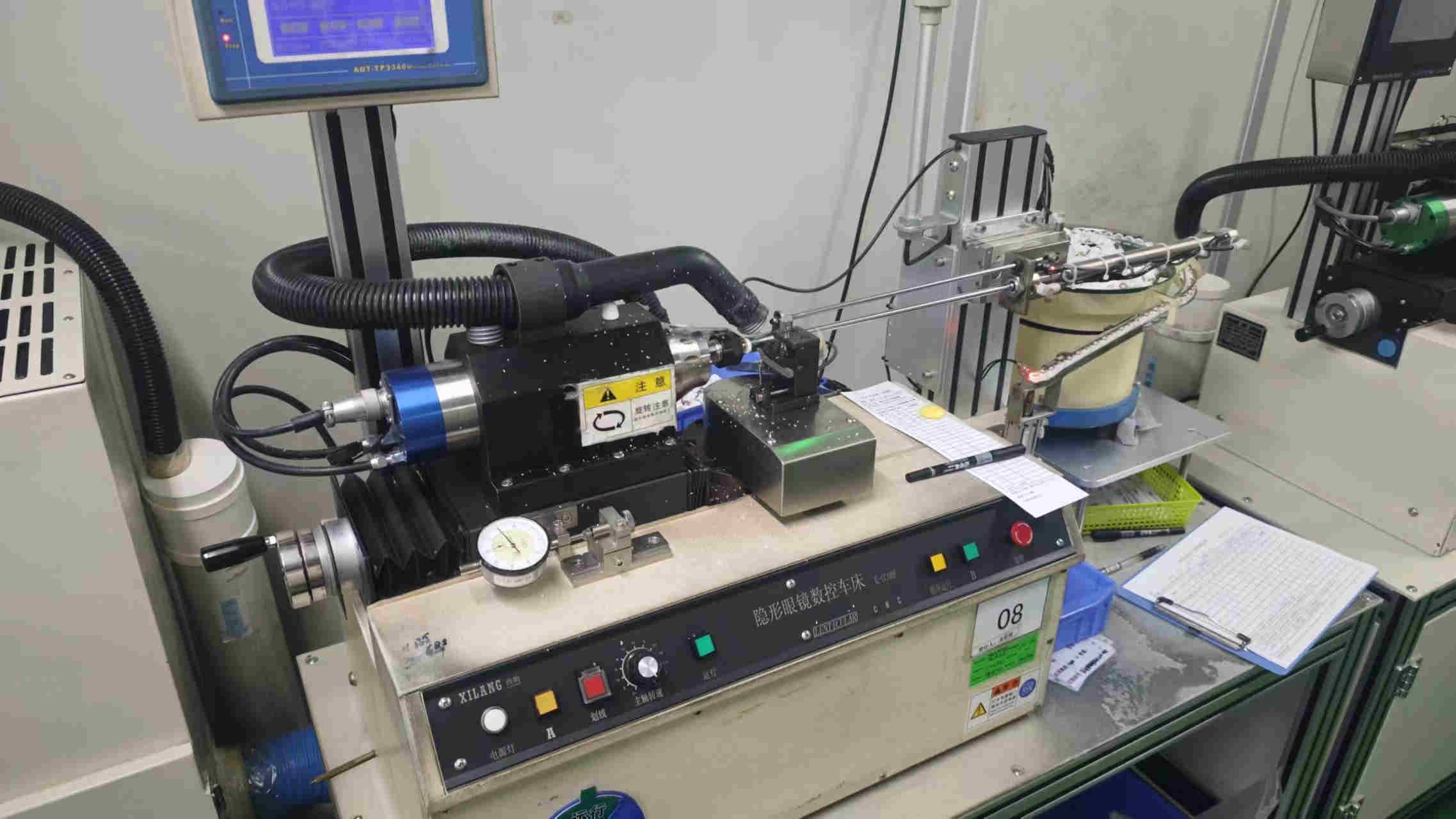
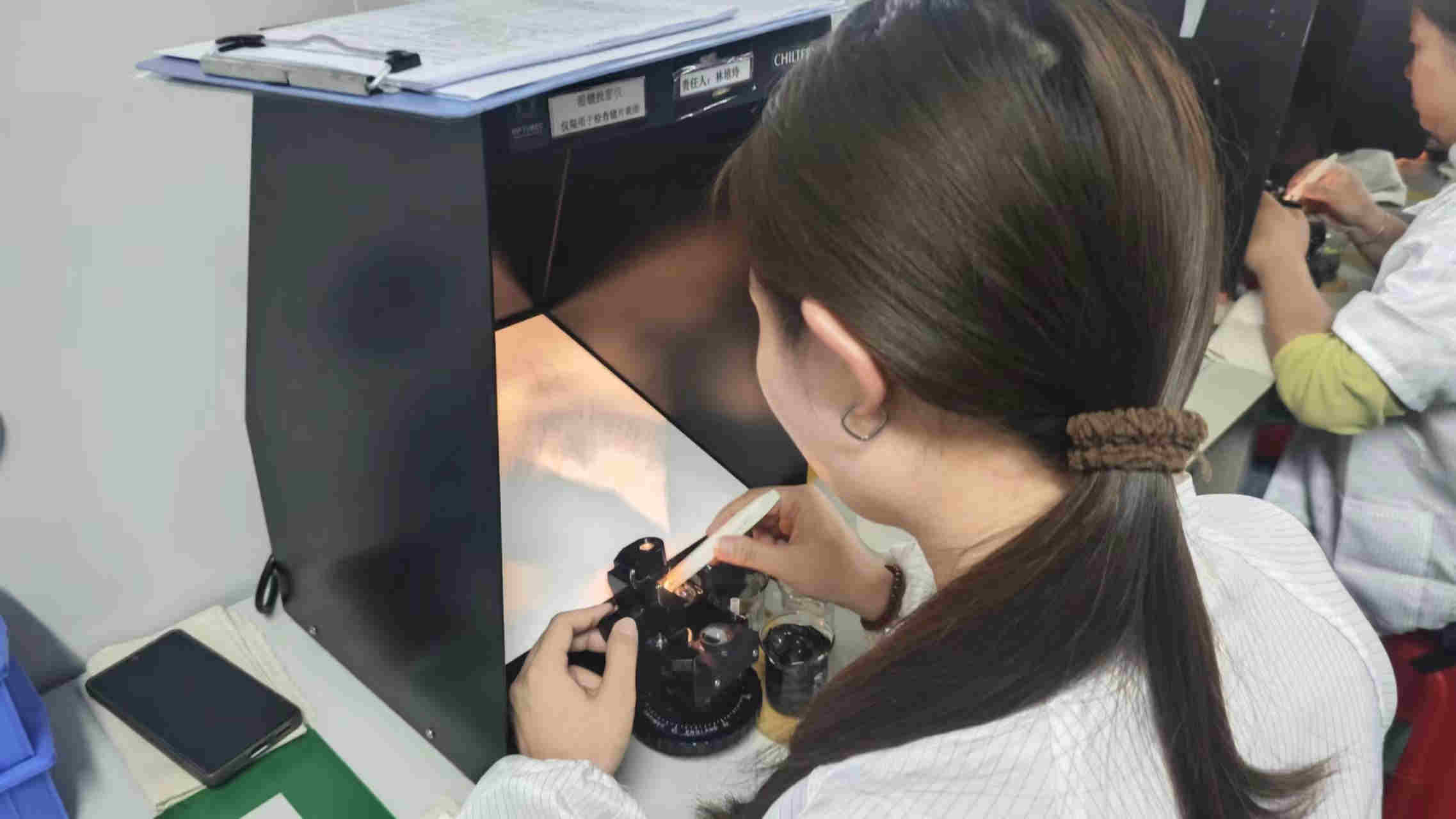
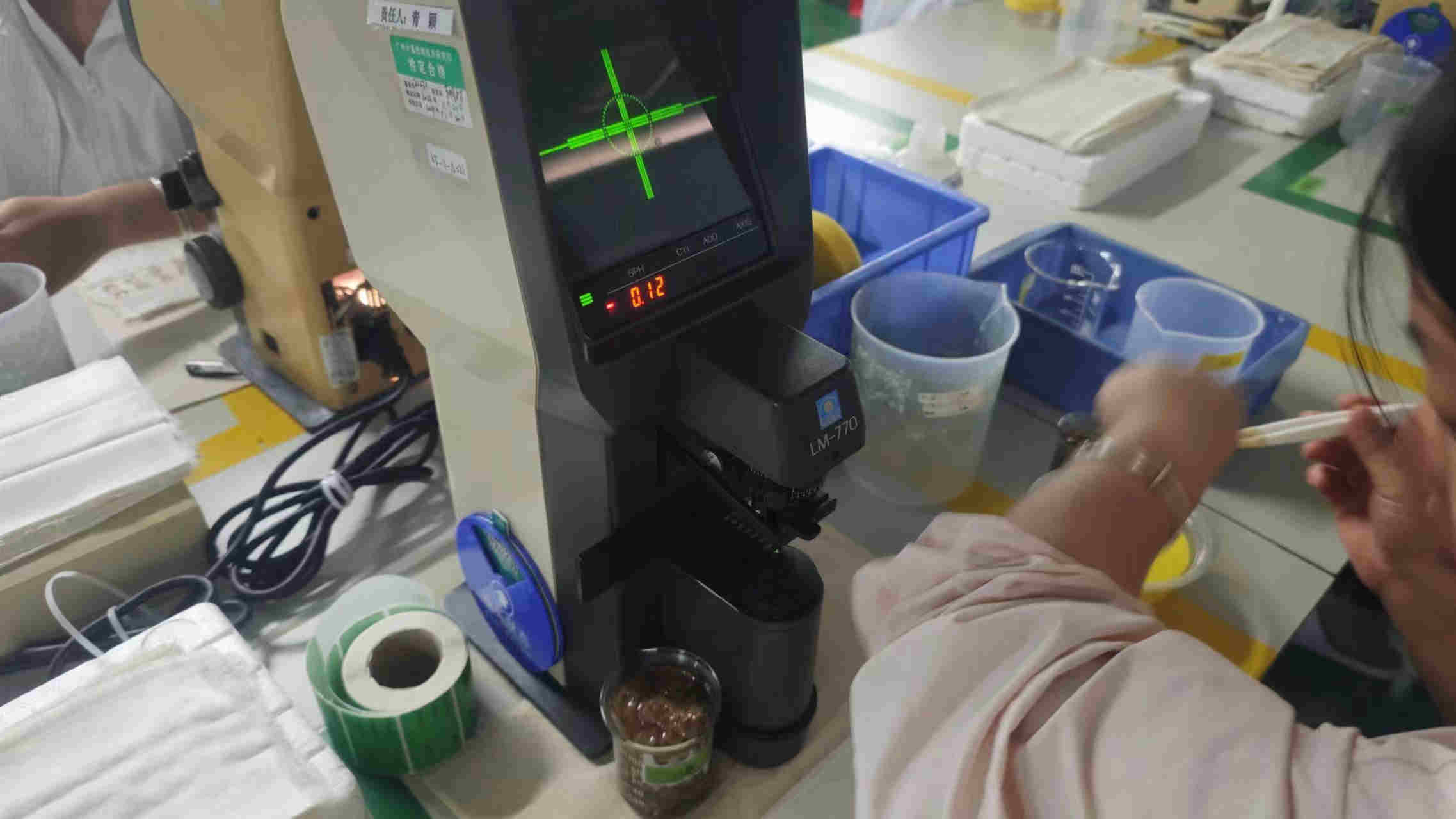
We don't just manufacture lenses; we bring vision to life. Our facility features fully automated production lines and an in-house design lab capable of executing complex, multi-tone color gradients and custom patterns that align with current beauty trends. Safety and comfort remain our bedrock—every lens undergoes rigorous automated cosmetic inspection and hydration testing in our certified cleanrooms.
Whether you are an established optical brand looking for a stable supply chain or a rising beauty influencer launching your first colored lens line, Chic Contacts provides flexible MOQ options, streamlined regulatory support, and reliable global shipping. Partner with us to experience manufacturing transparency and product excellence.
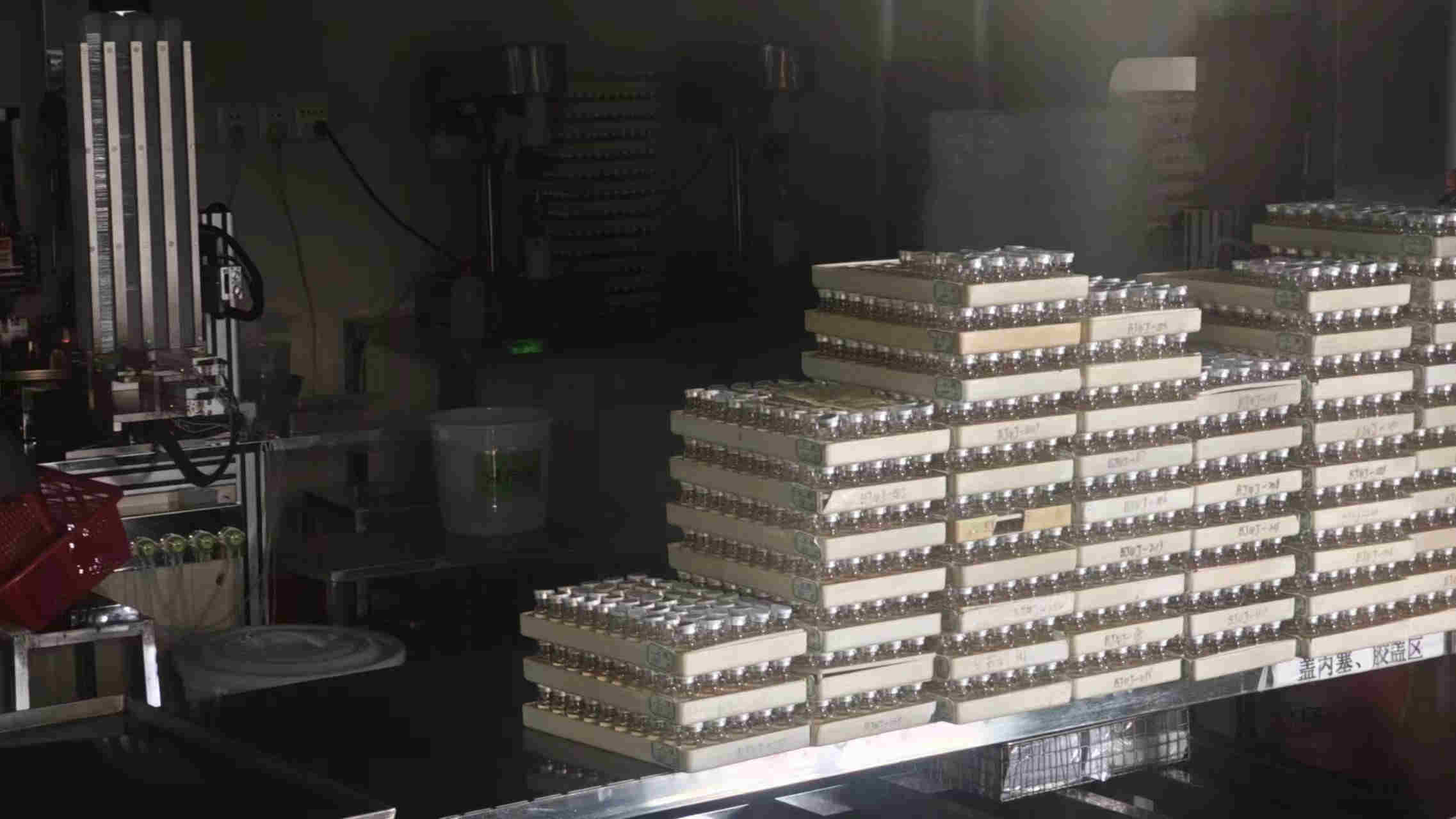
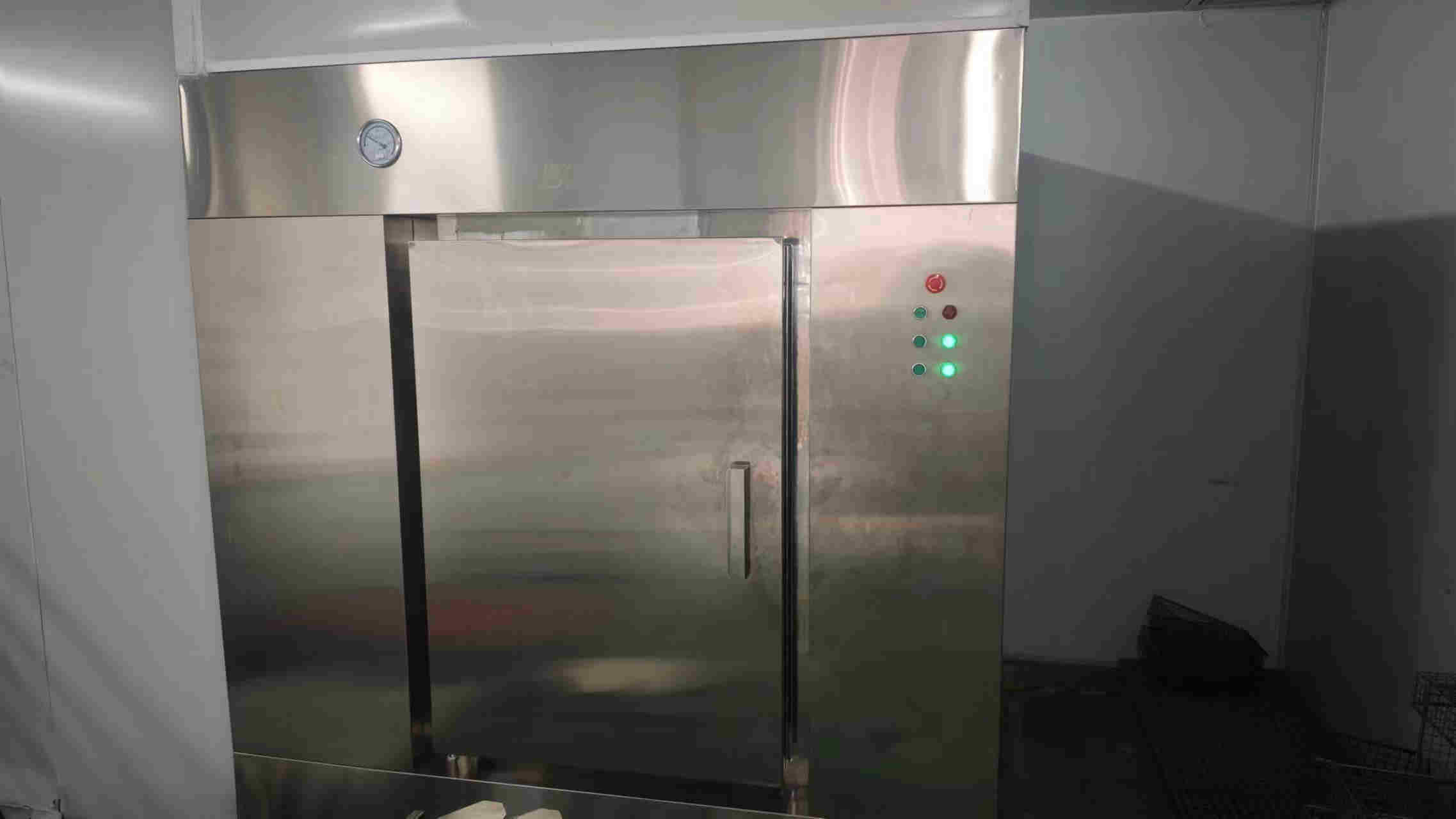
Our Automated Manufacturing Processes & Quality Control
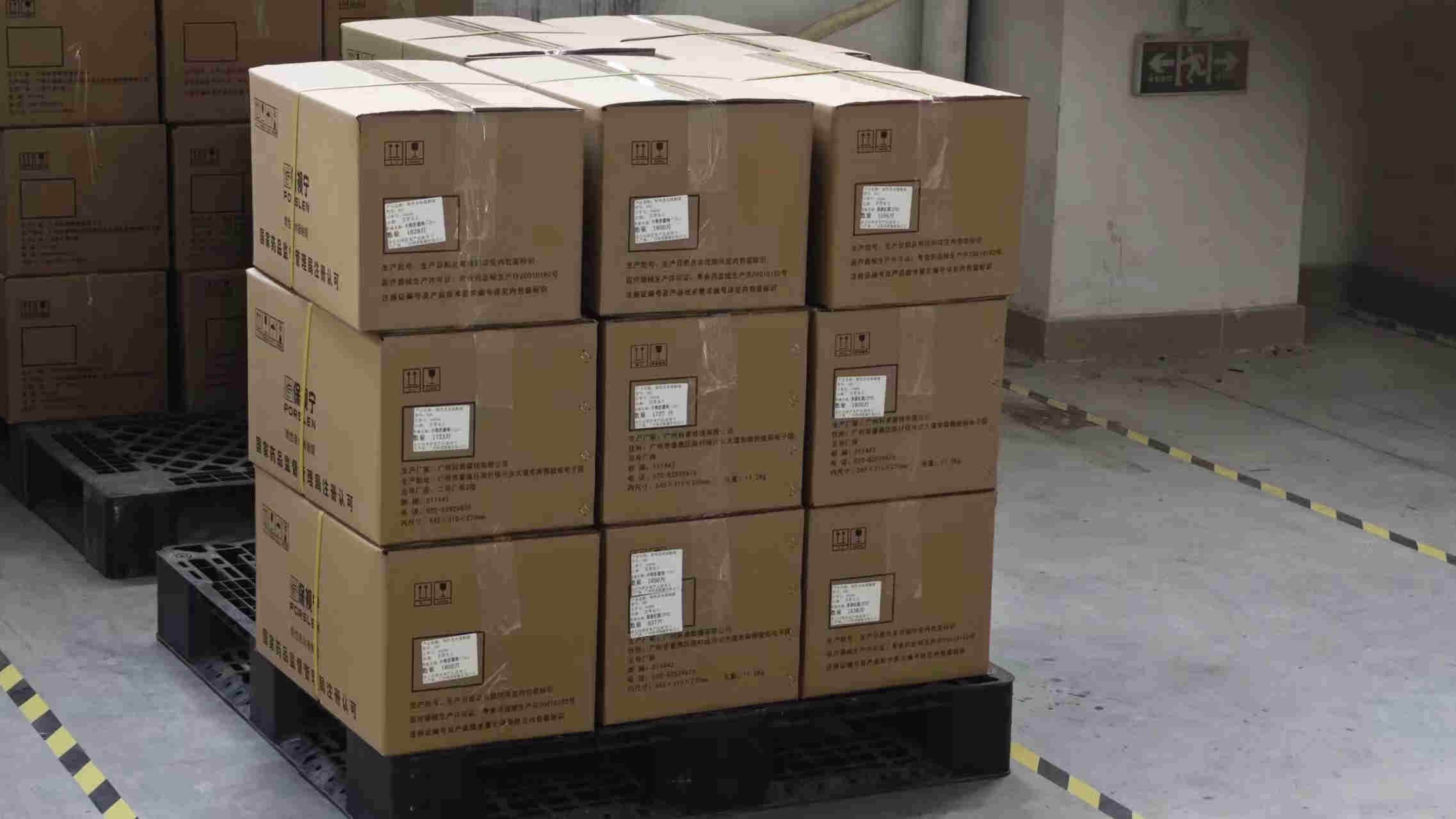
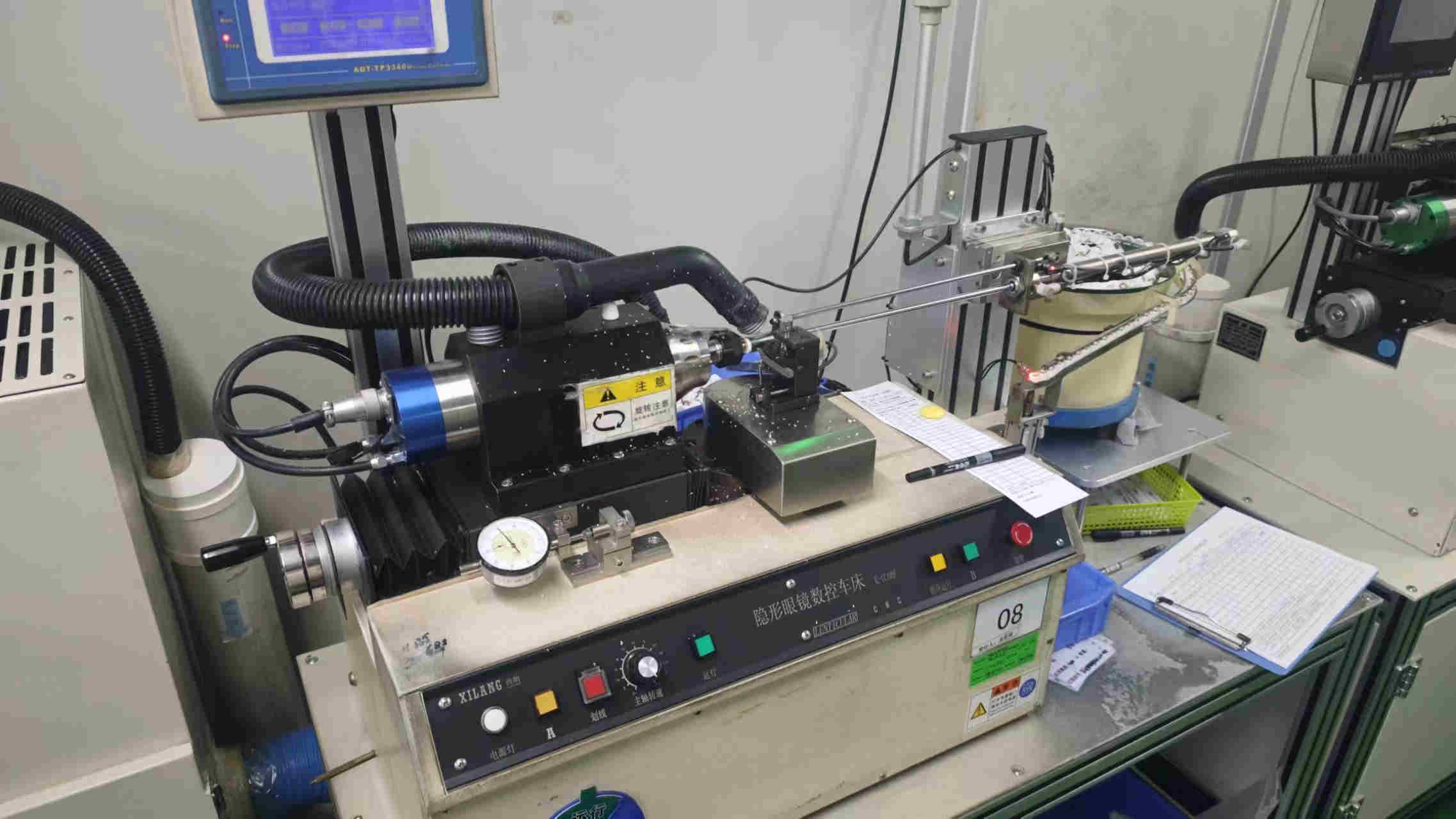
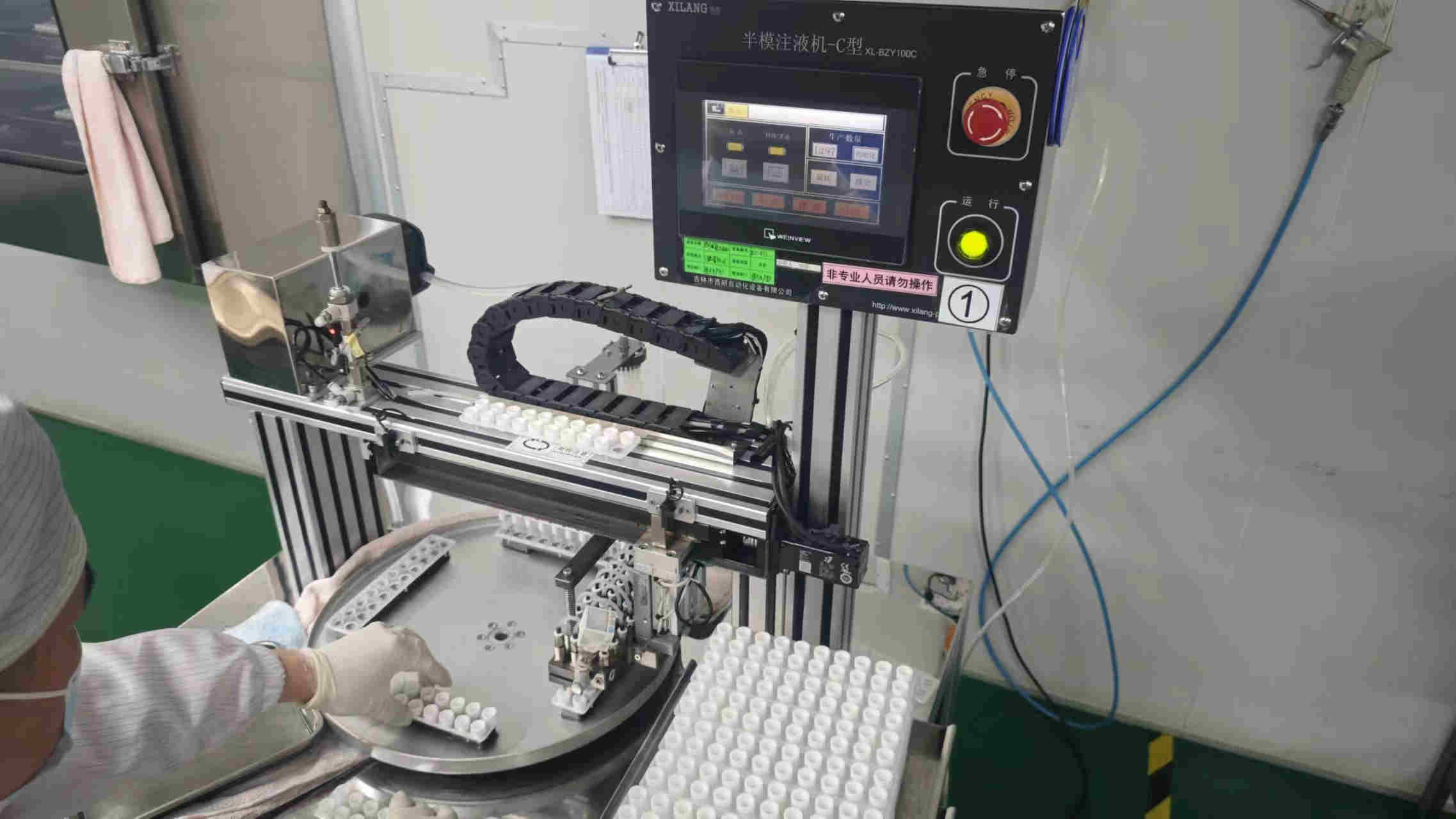
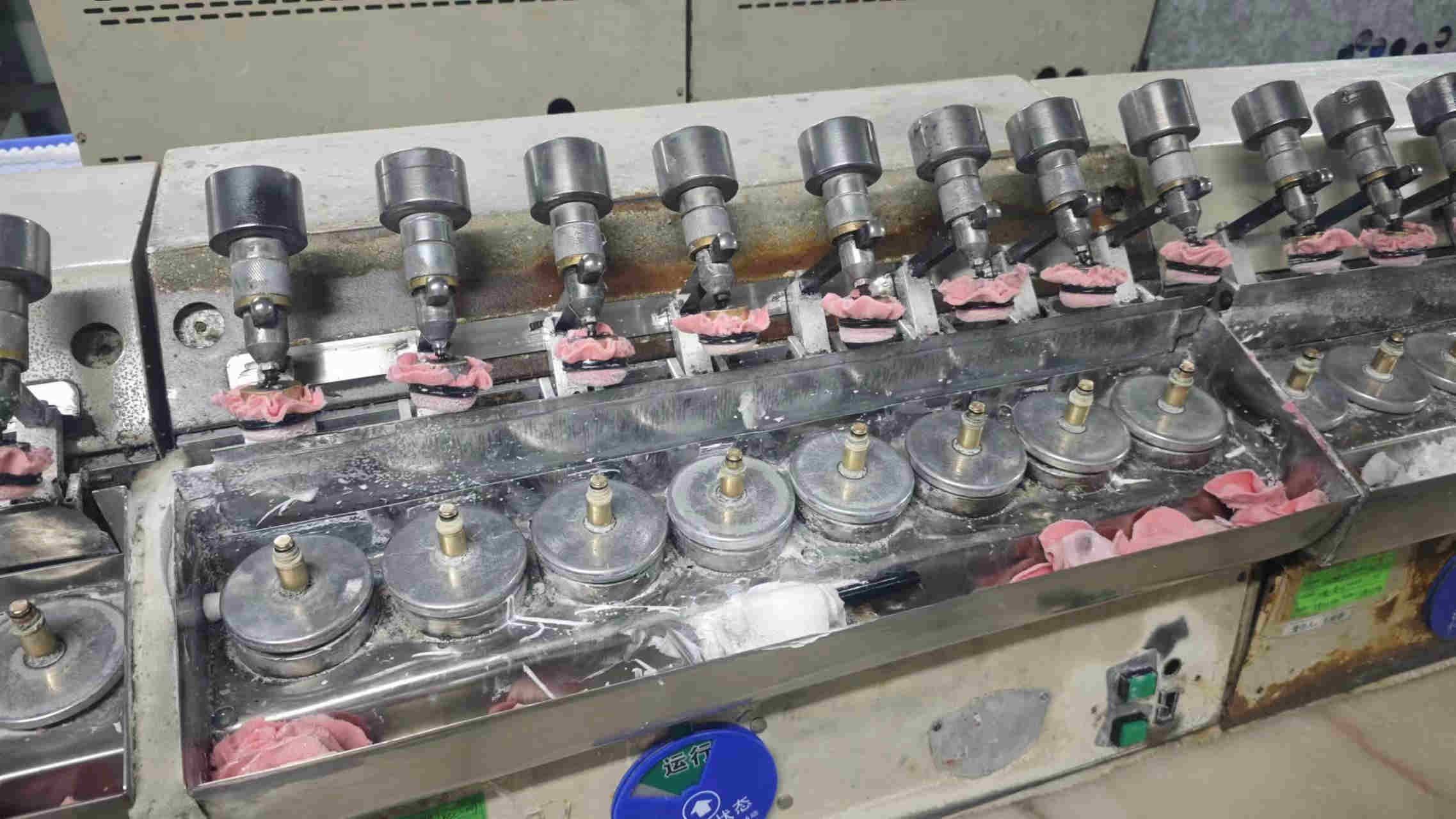
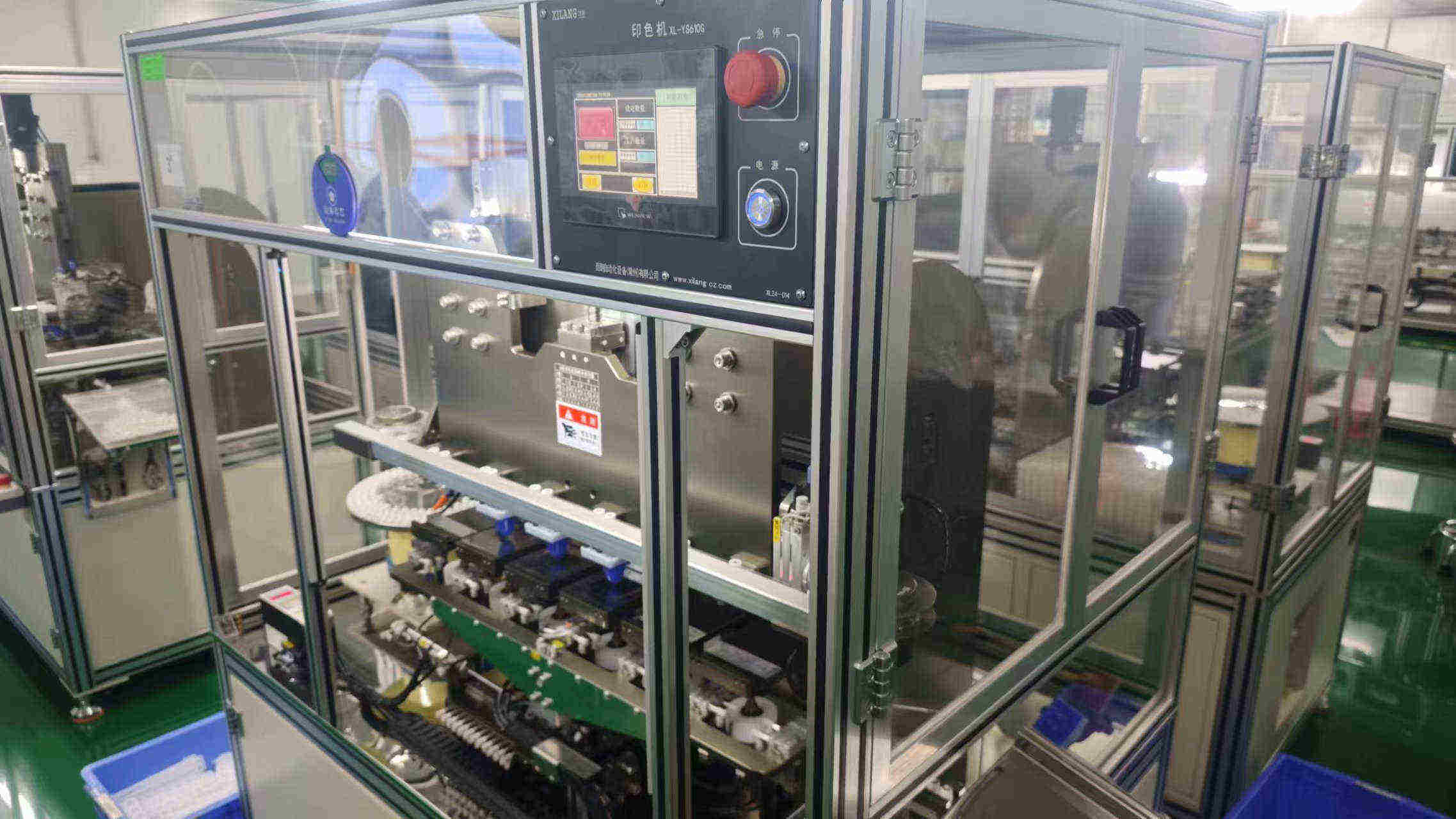
Localized Application Scenarios in the Sweden Market
Cosmetic lenses are highly versatile, and their target use cases in Sweden reflect distinct demographic trends. Exporters must align their product portfolios with these local application scenarios:
1. Daily Elegance & Natural Professional Wear
In offices across Stockholm and Gothenburg, there is a strong demand for lenses that subtly enhance natural eye depth. Young professionals prefer soft hazel, warm brown, or misty gray lenses that blend seamlessly with natural Scandinavian eye colors. High-quality daily and monthly disposables with low dehydration parameters are crucial, as dry indoor air-conditioning during the long winter months can exacerbate dry-eye symptoms.
2. Cosplay, Alternative Fashion & Thematic Events
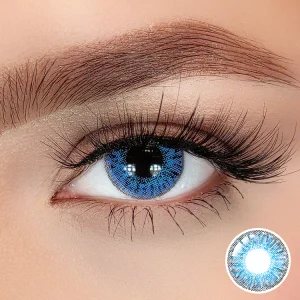
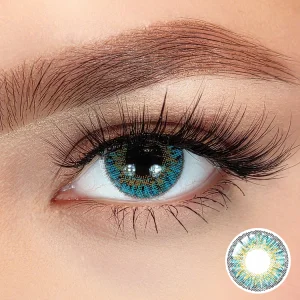
Sweden boasts a vibrant gaming, fantasy, and cosplay subculture, centered around annual events like Stockholm Comic Con and NärCon. These events drive localized spikes in demand for high-opacity, vivid cosmetic lenses (such as True Sapphire Blue, Aurora Green, or customized dramatic patterns). B2B distributors in Sweden rely on factories that can offer high-pigment density without sacrificing safety certifications.
3. Winter Festive Seasons & Party Cosmetics
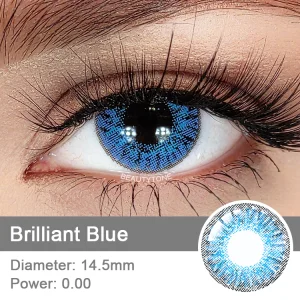
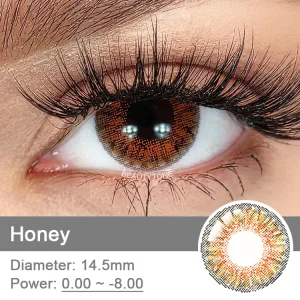
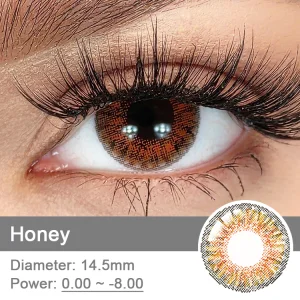
During the dark Swedish winters, the festive season (ranging from Midwinter celebrations to New Year's Eve) sparks a surge in demand for glittering, expressive eye cosmetics. High-contrast colors like Brilliant Blue or 3-Tone Honey lenses are heavily promoted by Swedish beauty influencers on Instagram and TikTok, driving online sales and retail foot traffic.
4. High-Latitude Dry Eye Solutions
Sweden's geographic location results in cold, low-humidity winters. Standard contact lenses often dry out quickly under these conditions. Exporters offering hydrogel lenses enriched with moisturizing agents like Hyaluronic Acid (HA) or specialized silicone hydrogels gain a competitive edge by directly addressing the local physiological challenges faced by Swedish contact lens wearers.
Regulatory Compliance & EU MDR 2017/745
Entering the Swedish market requires strict adherence to European medical regulations. Under the updated EU MDR 2017/745, even zero-powered (non-prescription) decorative contact lenses are classified as Class IIa or Class IIb medical devices. This means that they are subject to the same clinical and quality assurance controls as corrective contact lenses.
Key regulatory compliance markers for Sweden include:
- CE Marking: Lenses must bear a valid CE mark from a recognized EU Notified Body, demonstrating conformity with safety, performance, and environmental protection standards.
- ISO 13485 Certification: The manufacturing facility must operate under an audited ISO 13485 Quality Management System specifically designed for medical devices.
- EUDAMED Registration: Importers and manufacturers must register their products and entities in the European Database on Medical Devices (EUDAMED).
- Swedish Labeling Compliance: Instructions for use (IFU), safety warnings, and product specifications must be clearly written, with Swedish language translations provided where necessary to ensure user safety and compliance with Läkemedelsverket rules.
Dongguan Dailylensie Co., Ltd. ensures that all exported batches comply fully with these requirements, providing comprehensive technical dossiers, certificates of conformity, and cleanroom documentation to streamline customs clearance and market authorization in Sweden.
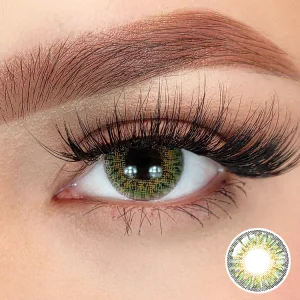
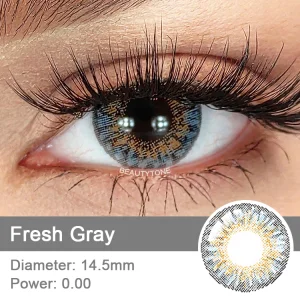
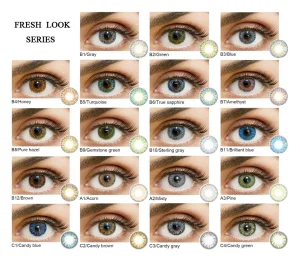
All Premium Products for the Nordic Region
Discover our comprehensive portfolio of wholesale color contact lenses. We support low MOQs, custom branding (OEM/ODM), and full regulatory support for importing into Sweden.
Industry Whitepaper: Q&A (FAQ) for Swedish Importers
Essential compliance, logistical, and technical insights for professional optical distributors sourcing for the Nordic market.
Q1: Are colored contact lenses legally classified as medical devices in Sweden?
Yes. Under the EU Medical Device Regulation (MDR 2017/745), all contact lenses—including zero-power cosmetic or decorative lenses—are categorized as Class IIa or Class IIb medical devices. To be legally sold in Sweden, they must bear a valid CE mark, have registered documentation, and comply with the Swedish Medical Products Agency (Läkemedelsverket) guidelines.
Q2: What certifications must a Chinese exporter hold to supply the Swedish market?
The exporter/manufacturer must possess a valid ISO 13485 certification for their medical device quality management system, and the specific lens families must hold valid CE certifications issued by an EU Notified Body. Additionally, full technical files, including biocompatibility reports, sterilization validations, and clinical evaluation summaries, must be accessible.
Q3: How does Dongguan Dailylensie Co., Ltd. ensure pigment safety and stability?
We utilize advanced "Sandwich" technology (double-cladding encapsulation). The colored pattern is printed using FDA-approved, medical-grade pigments and completely sealed inside the biocompatible hydrogel layers. This ensures that pigment particles never contact the ocular tissue, safeguarding eye health and preventing lens discoloration.
Q4: What is the typical MOQ for custom OEM/ODM packaging and private labels?
For custom packaging (blister design, Swedish label compliance, customized boxes), our MOQ starts from 500 to 1,000 pairs per design color, depending on the complexity of the customization. We offer flexible onboarding pathways for startups and established optical chains looking to trial new collections in Sweden.
Q5: What lens materials are best suited for the dry Swedish winter climate?
We recommend high-oxygen-permeable hydrogel materials with optimized water content (approx. 38% to 42%). While ultra-high water content lenses initially feel comfortable, they can draw moisture out of the eye in dry, freezing Nordic climates. Our formulation maintains stable moisture levels, ensuring all-day comfort without causing dry-eye irritation.
Q6: How is the product safety verified prior to export shipping?
Every production batch undergoes a multi-phase quality control process. This includes 100% automated optical inspection (AOI) to detect edge tears, centering errors, and printing anomalies. Followed by autoclave steam sterilization at 121°C, physical hydration stability tests, and microbial bioburden testing in our certified cleanrooms.
Q7: Do you provide prescription power options for wholesale colored contact lenses?
Yes. We manufacture both plano (0.00) cosmetic lenses and prescription corrective colored lenses ranging from -0.50 to -8.00 (and custom ranges upon request). This allows Swedish distributors to cater to both pure fashion consumers and individuals requiring refractive correction.
Q8: What is the estimated shipping transit time from Dongguan to Sweden?
Air freight shipments to major Swedish customs hubs (Stockholm Arlanda or Gothenburg Landvetter) generally take 5 to 7 business days, including customs documentation preparation. For larger bulk orders, sea freight options are available, taking approximately 30 to 40 days.