Luxembourg Boutique Selection: Signature 14.2mm Cosmetic Lenses
Premium contact lenses optimized for European anatomical profiles, combining 14.2mm iris coverage with high oxygen permeability.
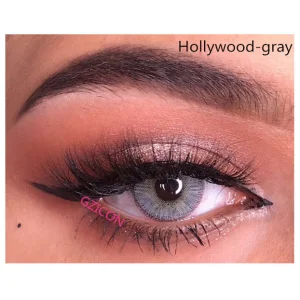
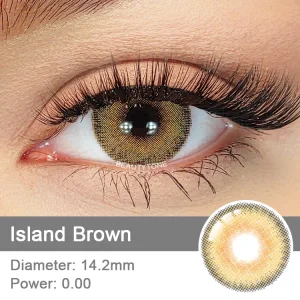
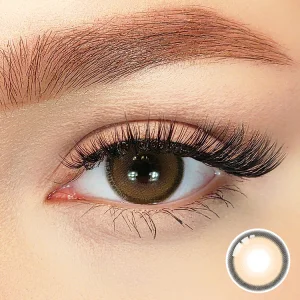
Central European Regulatory Hub: The Luxembourg Advantage
Analyzing local regulatory logistics, distribution frameworks, and the clinical demands of the 14.2mm color contact lens sector.
1. The Geopolitical & Logistical Role of Luxembourg in Optical Distribution
Luxembourg, despite its compact geography, acts as a primary logistical nervous system for Central Europe. For medical devices, including cosmetic and corrective color contact lenses, the Grand Duchy offers unique access to the Benelux union, France, and Germany. With the state-of-the-art logistics infrastructure at the Bettembourg Intermodal Terminal and the airfreight capacity of Luxembourg Findel Airport (Cargolux Hub), importing bulk shipments of contact lenses from advanced manufacturing centers (like Dongguan, China) to the European mainland is highly streamlined. Distributors utilize Luxembourg's bonded warehouses to navigate customs clearances smoothly under unified EU tariffs.
Furthermore, Luxembourg’s domestic market is defined by high disposable income and an demand for premium healthcare and beauty goods. The local population's purchase patterns in areas like Luxembourg City, Esch-sur-Alzette, and Differdange show a distinct skew toward high-end, biocompatible daily and monthly contact lenses. Consumers prioritize safety certifications and ocular hydration parameters over mere cost savings.
2. Ocular Anatomy & The Science of the 14.2mm Diameter Standard
In contact lens optics, the overall diameter (OAD) determines both mechanical stability and comfort. Research shows that the average Horizontal Visible Iris Diameter (HVID) for European eyes ranges between 11.6mm and 12.0mm. A 14.2mm contact lens diameter is widely considered the "golden ratio" for Western wearers because:
It provides sufficient limbal coverage to create a natural, cosmetic eye enlargement effect while ensuring that the lens edge rests comfortably on the bulbar conjunctiva without causing friction or focal compression. A base curve (BC) of 8.5mm to 8.7mm paired with a 14.2mm diameter fits approximately 85% of European eyes. This minimizes the risk of lens decentration and reduces "limbal ring pinching"—a common issue with smaller 13.8mm lenses.
3. Navigating European CE Mark & MDR (2017/745) Regulations
Exporters targeting Luxembourg must adhere strictly to the European Union Medical Device Regulation (MDR 2017/745). Colored contact lenses, even purely cosmetic ones without corrective power (plano lenses), are classified under Class IIa (Annex XVI) medical devices in Europe. This requires manufacturers to maintain a comprehensive technical file, undergo clinical evaluation, and implement a rigorous Quality Management System (QMS) certified under ISO 13485:2016. All consignments entering Luxembourg must carry the CE mark, and importing distributors must register via EUDAMED and with the local Ministry of Health (Ministère de la Santé Luxembourg).
Trending 14.2mm Collections: Natural & Theatrical Soft Lenses
Exploring high-performance yearly disposable contact lenses designed for multi-tone depth, natural blending, and comfort.
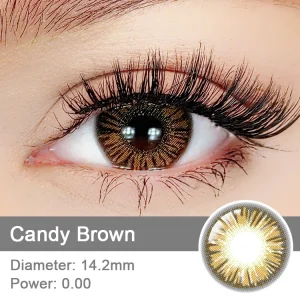
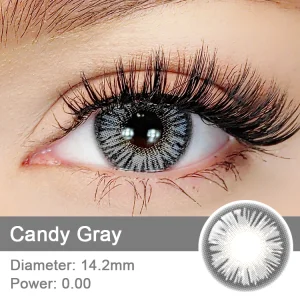
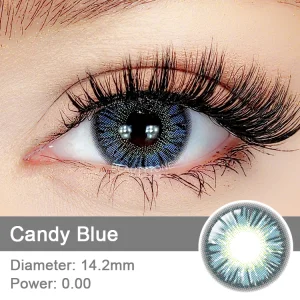
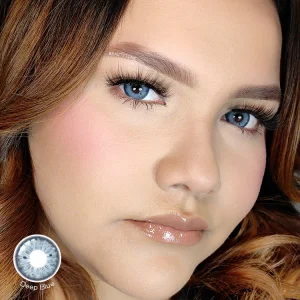
Who We Are | Dongguan Dailylensie Co., Ltd.
Integrating medical-grade production and color aesthetics to deliver private-label solutions for the European market.
At Dongguan Dailylensie Co., Ltd., we bridge the gap between medical-grade manufacturing precision and cutting-edge eye aesthetics. Based in Dongguan, we are a modern contact lens factory specializing in full-service OEM/ODM and private-label solutions for the global market.
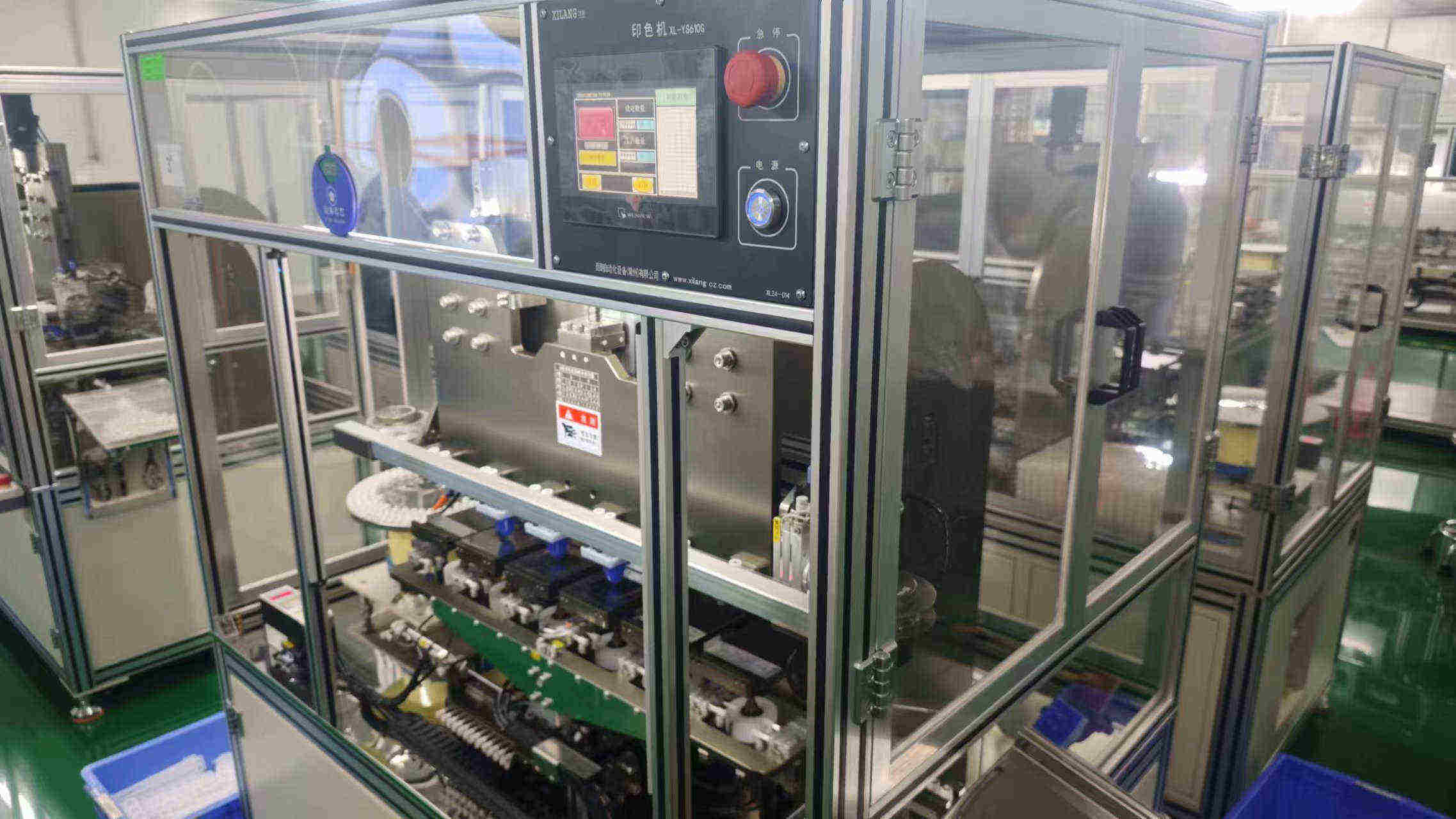
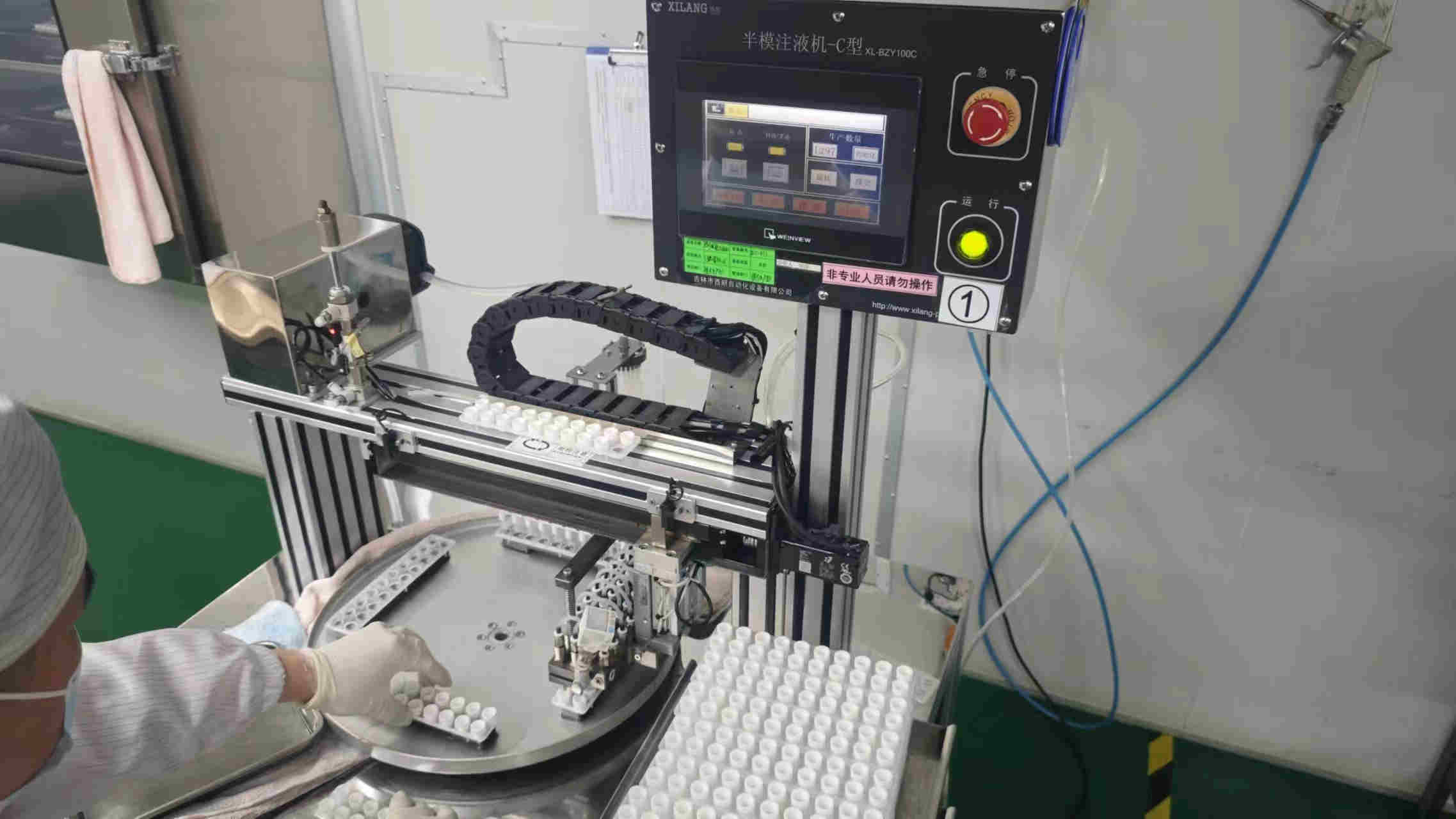
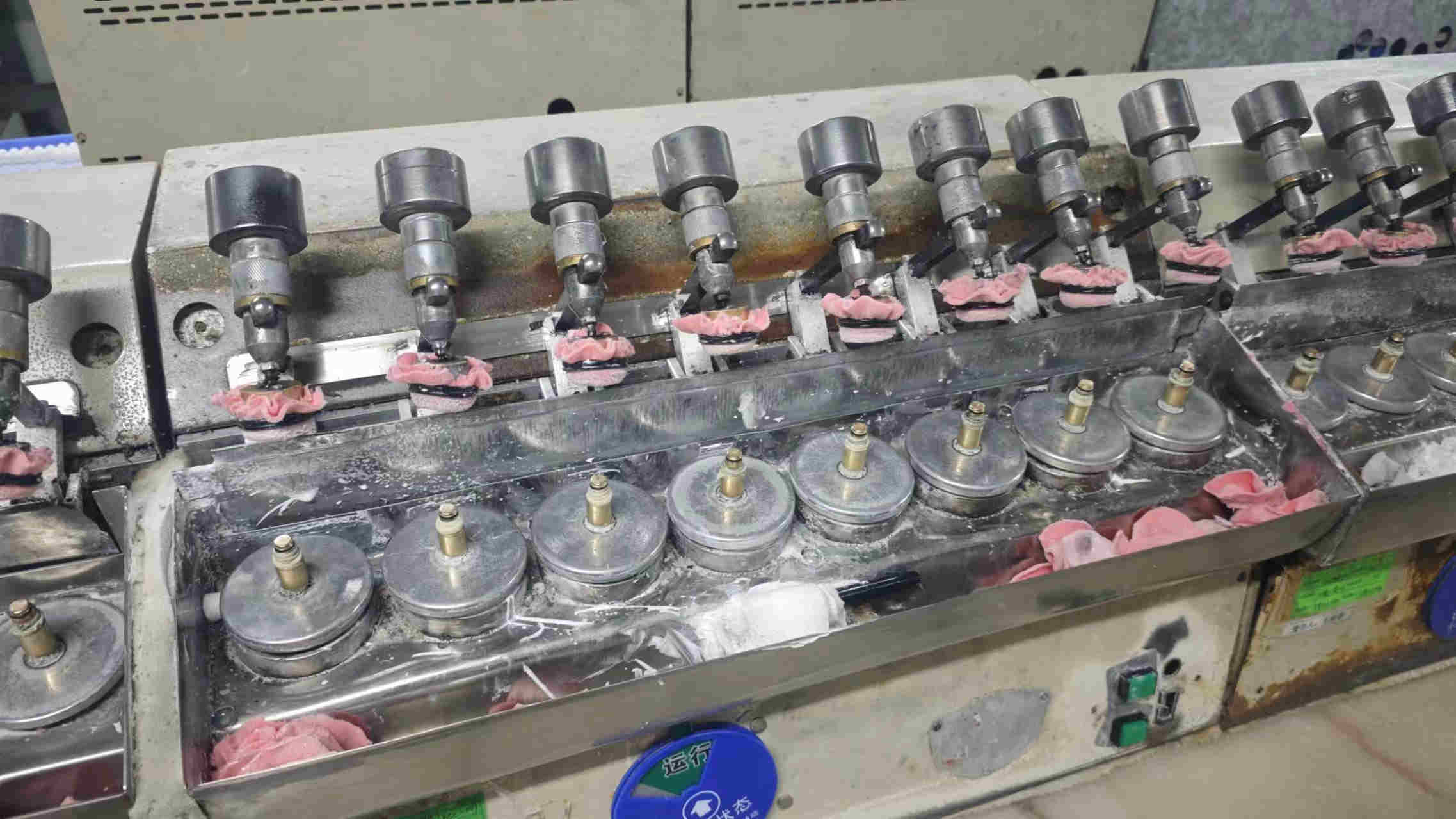
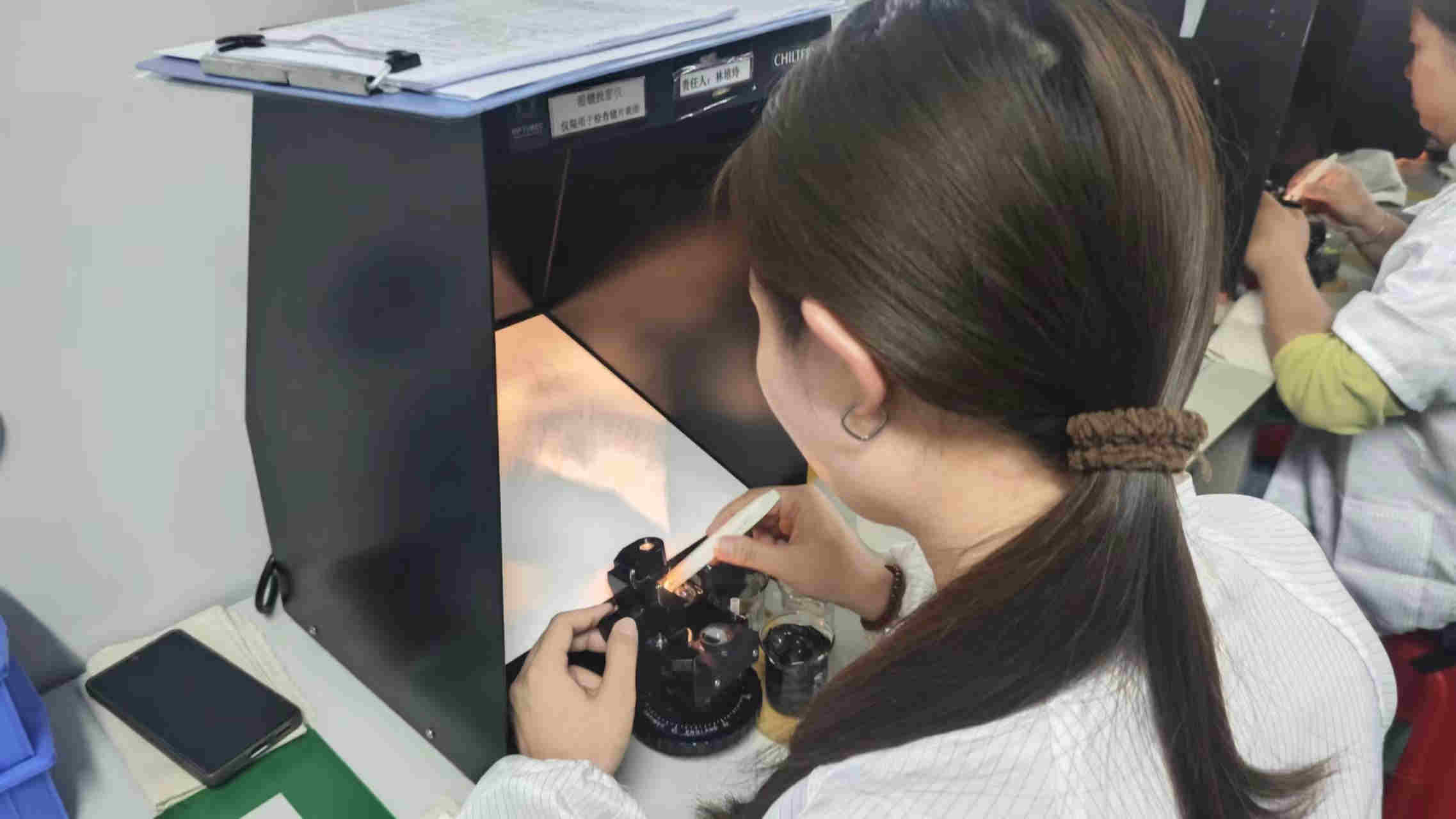
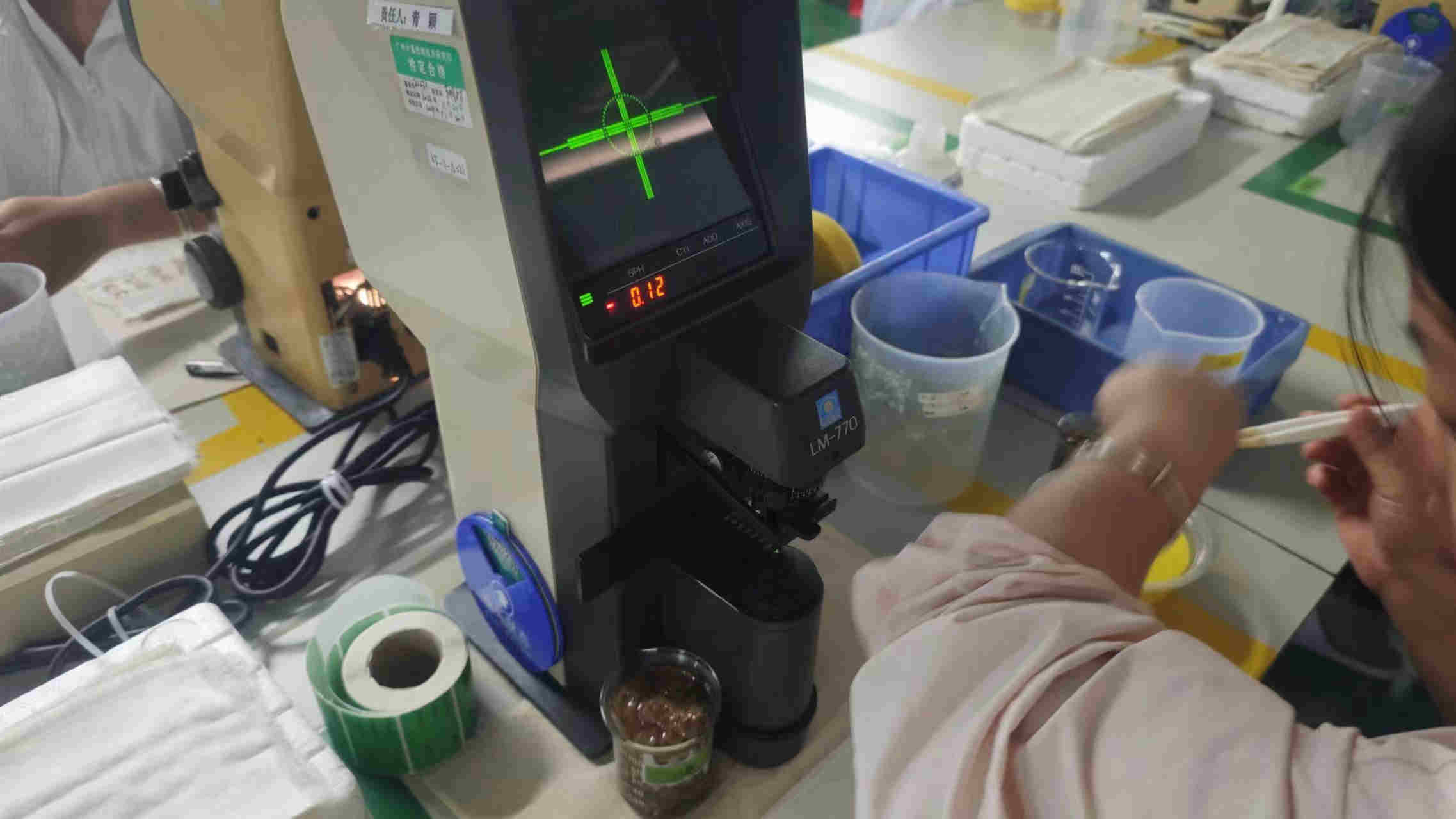
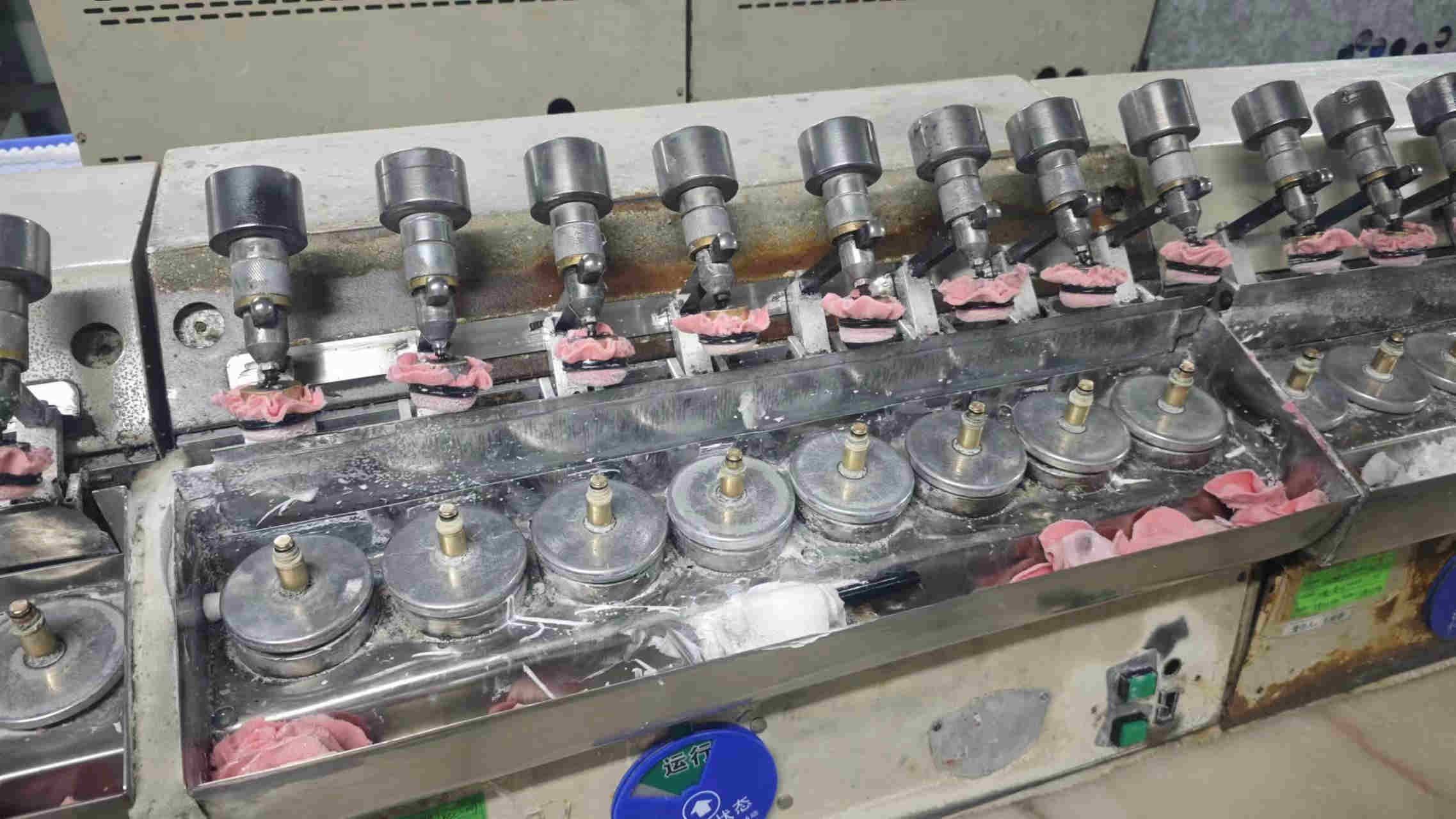
We don't just manufacture lenses; we bring vision to life. Our facility features fully automated production lines and an in-house design lab capable of executing complex, multi-tone color gradients and custom patterns that align with current beauty trends. Safety and comfort remain our bedrock—every lens undergoes rigorous automated cosmetic inspection and hydration testing in our certified cleanrooms.
Whether you are an established optical brand looking for a stable supply chain or a rising beauty influencer launching your first colored lens line, Chic Contacts provides flexible MOQ options, streamlined regulatory support, and reliable global shipping. Partner with us to experience manufacturing transparency and product excellence.
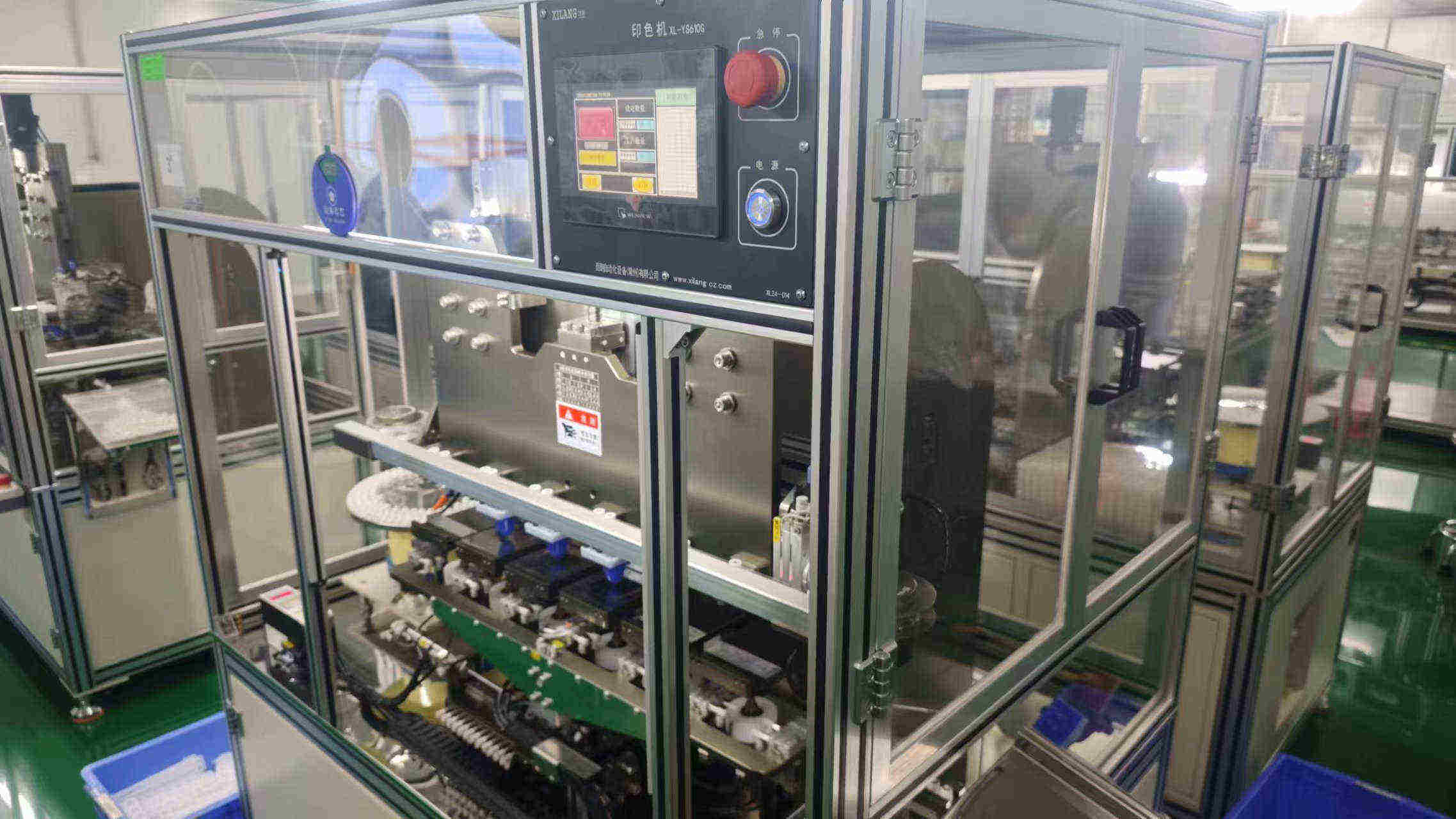
Manufacturing Roadmap & Biocompatible Materials
Analyzing monomer chemistry, pigment isolation, and manufacturing automation for the European Union market.
1. Hydrogel vs. Silicone Hydrogel: The Material Science
Historically, cosmetic contact lenses were manufactured using HEMA-based hydrogels (such as Polymacon, 38% water content). While reliable for structural stability and print vibrancy, standard hydrogels rely solely on water molecules for oxygen transport. This restricts the oxygen transmissibility (Dk/t) to approximately 15–25 units, which is less than ideal for prolonged wear.
To meet the standards of EU optical buyers, our latest technical lines incorporate Silicone Hydrogel (Si-Hy) formulations. By blending fluorosilicone monomers with hydrophilic macromers, we produce lenses that deliver oxygen through both the silicone polymer matrix and the water phase. This elevates the Dk/t value to 85–110, helping prevent corneal hypoxia, limbal redness, and dry-eye symptoms during extended wear cycles.
2. Sandwich Pigment Isolation Technology (Double Cladding)
Direct exposure of color pigments to the corneal epithelium can cause allergic reactions and mechanical abrasion. To prevent this, our manufacturing process utilizes Sandwich Technology (Double Cladding). The colored pattern is micro-printed between two inert layers of clear lens material. This ensures that the pigments never make contact with the eye, keeping the lens surface smooth and protecting both the cornea and the eyelid lining.
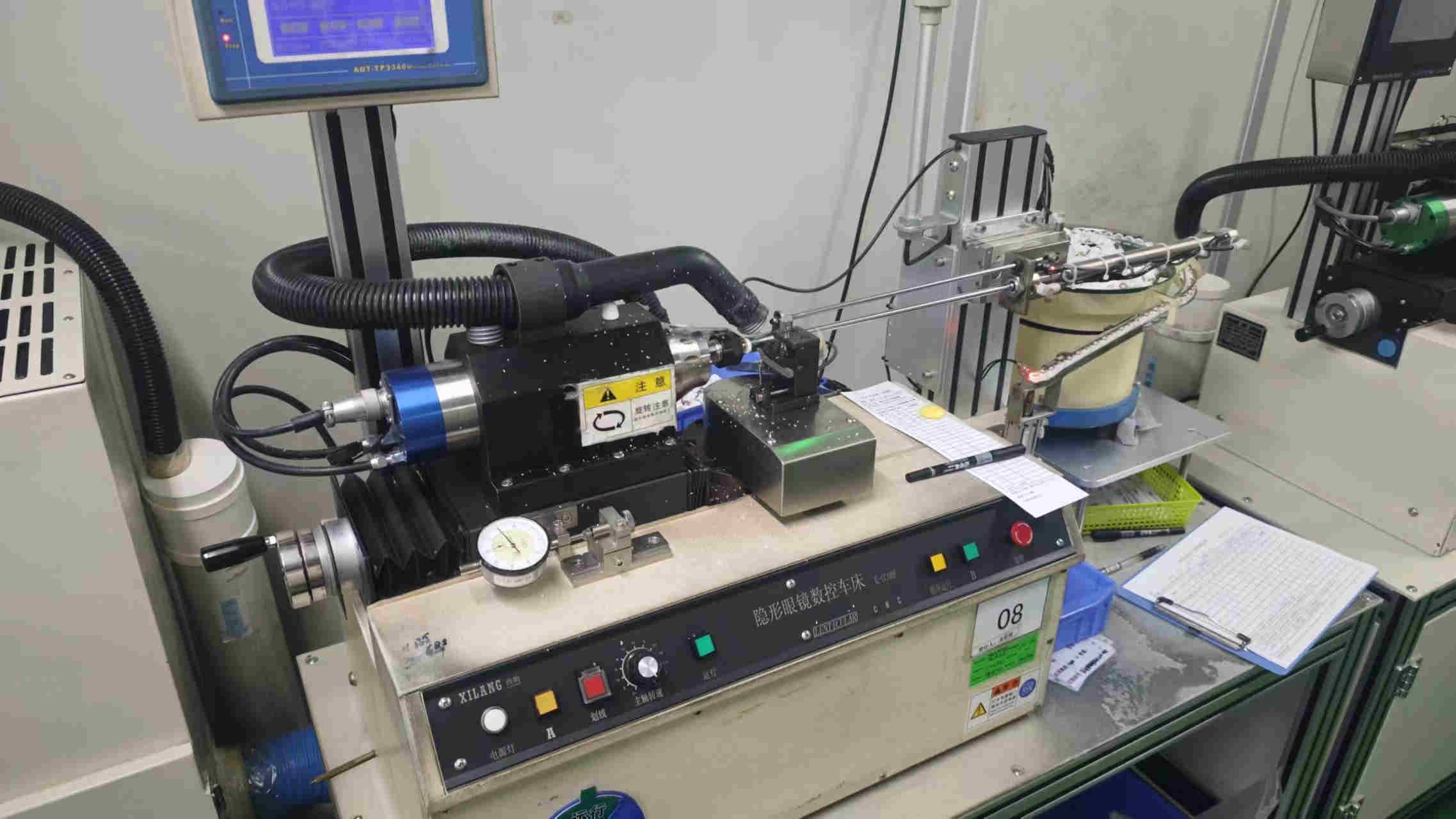
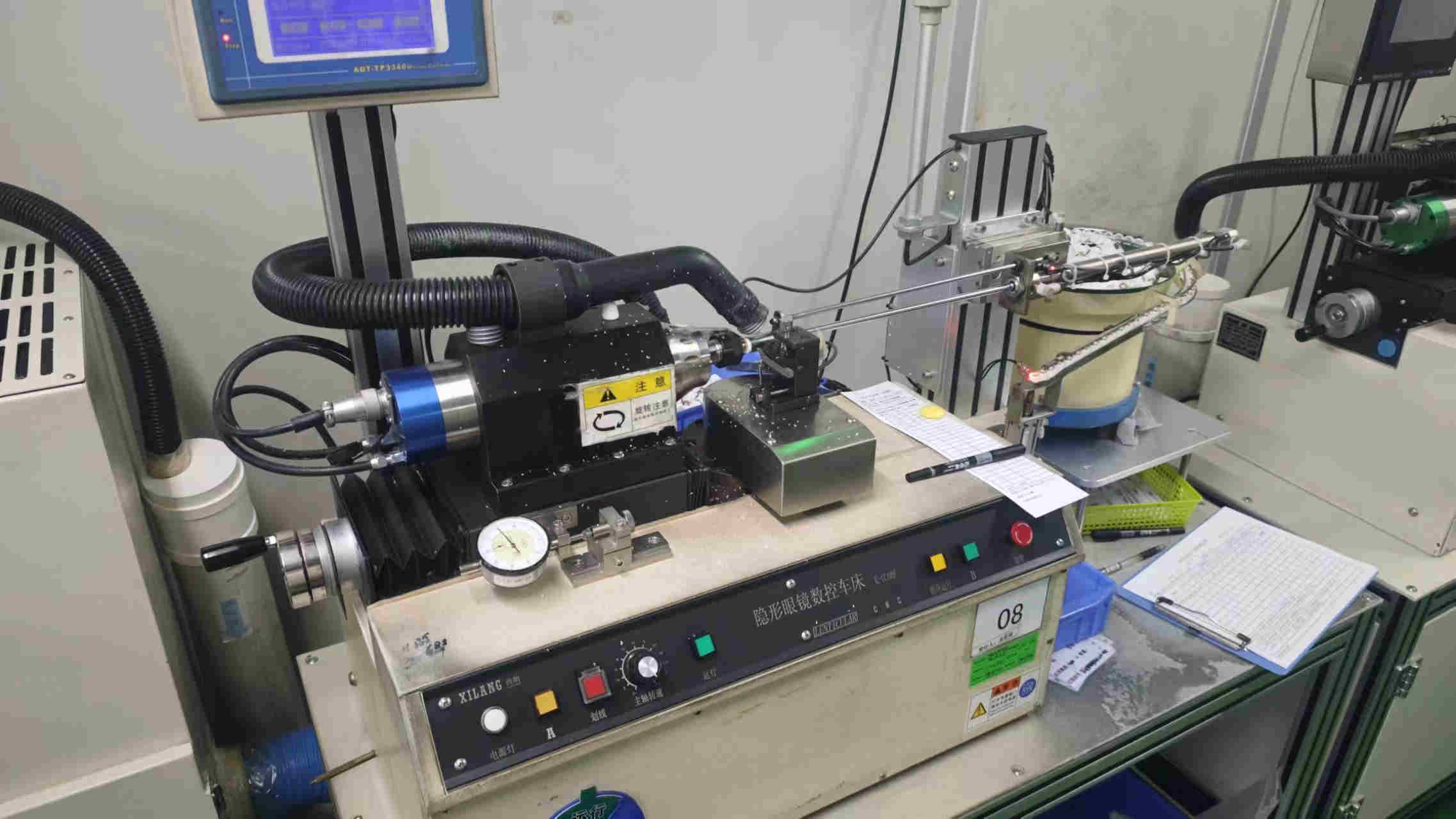
Lathe Cutting Precision
Utilizing high-precision digital diamond lathes for custom runs, ensuring base curves match specifications with sub-micron accuracy.
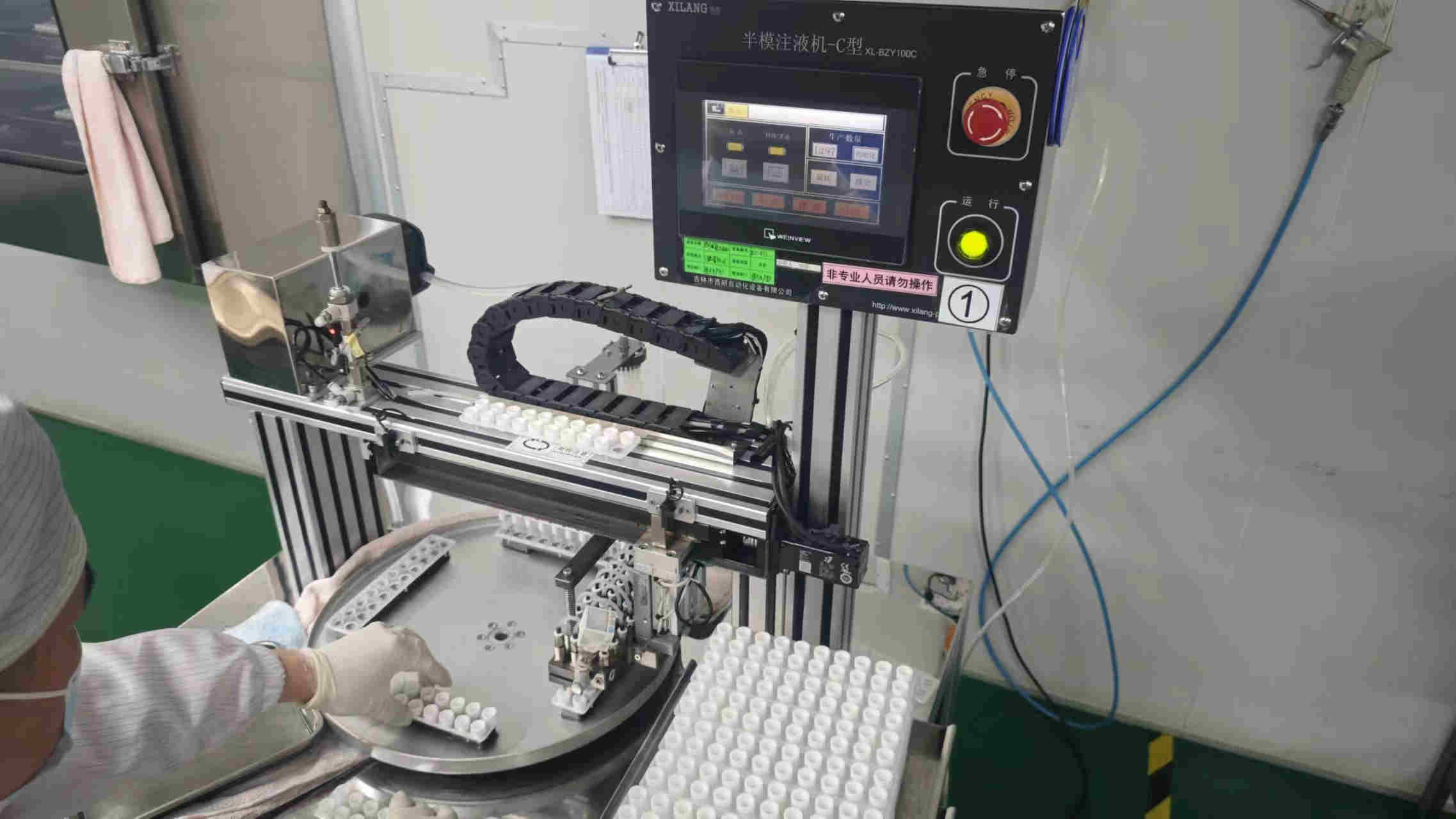
Automated Cast Molding
Enabling cost-efficient production for high-volume orders, delivering consistent replication and surface hydration profiles.
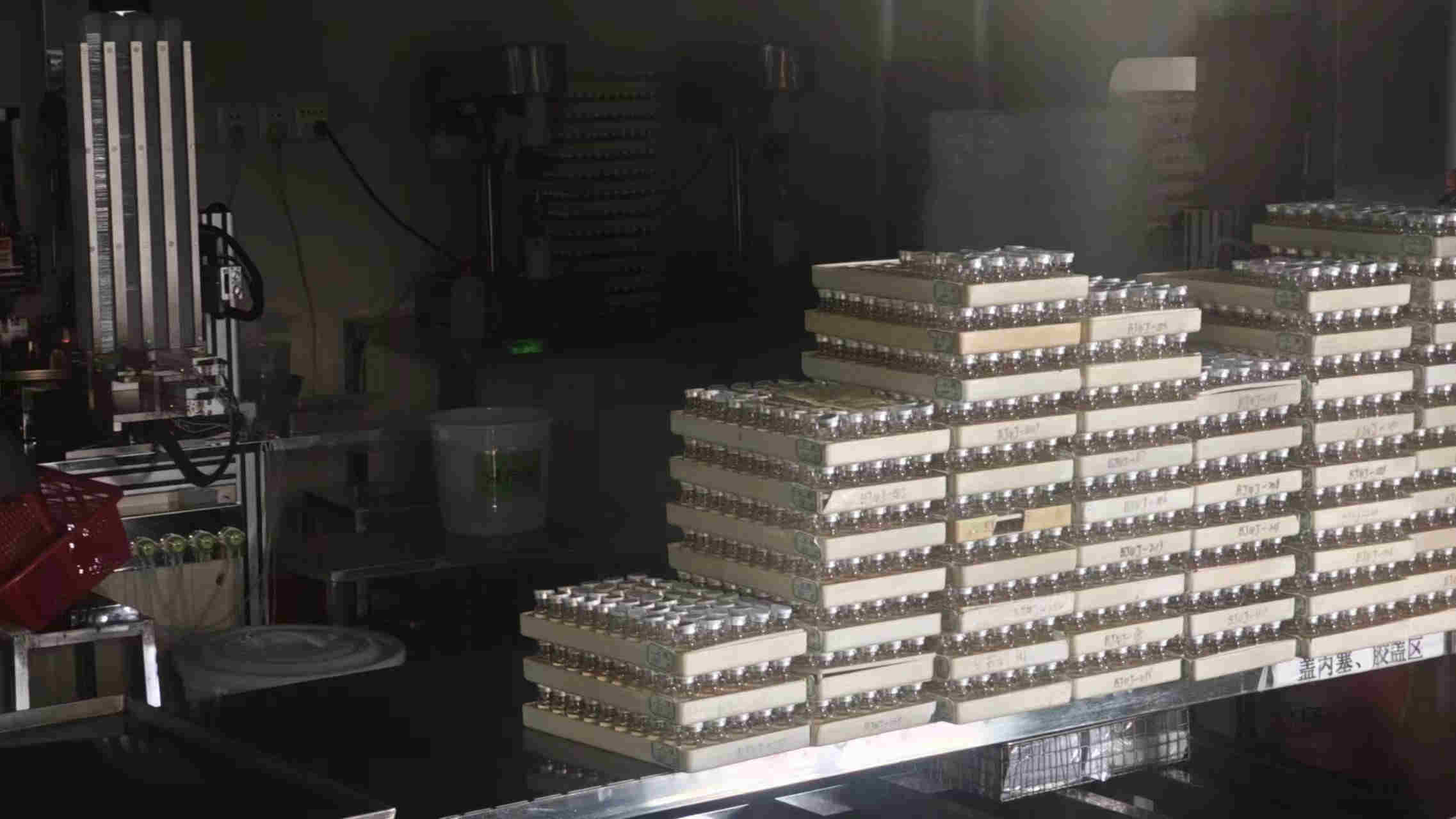
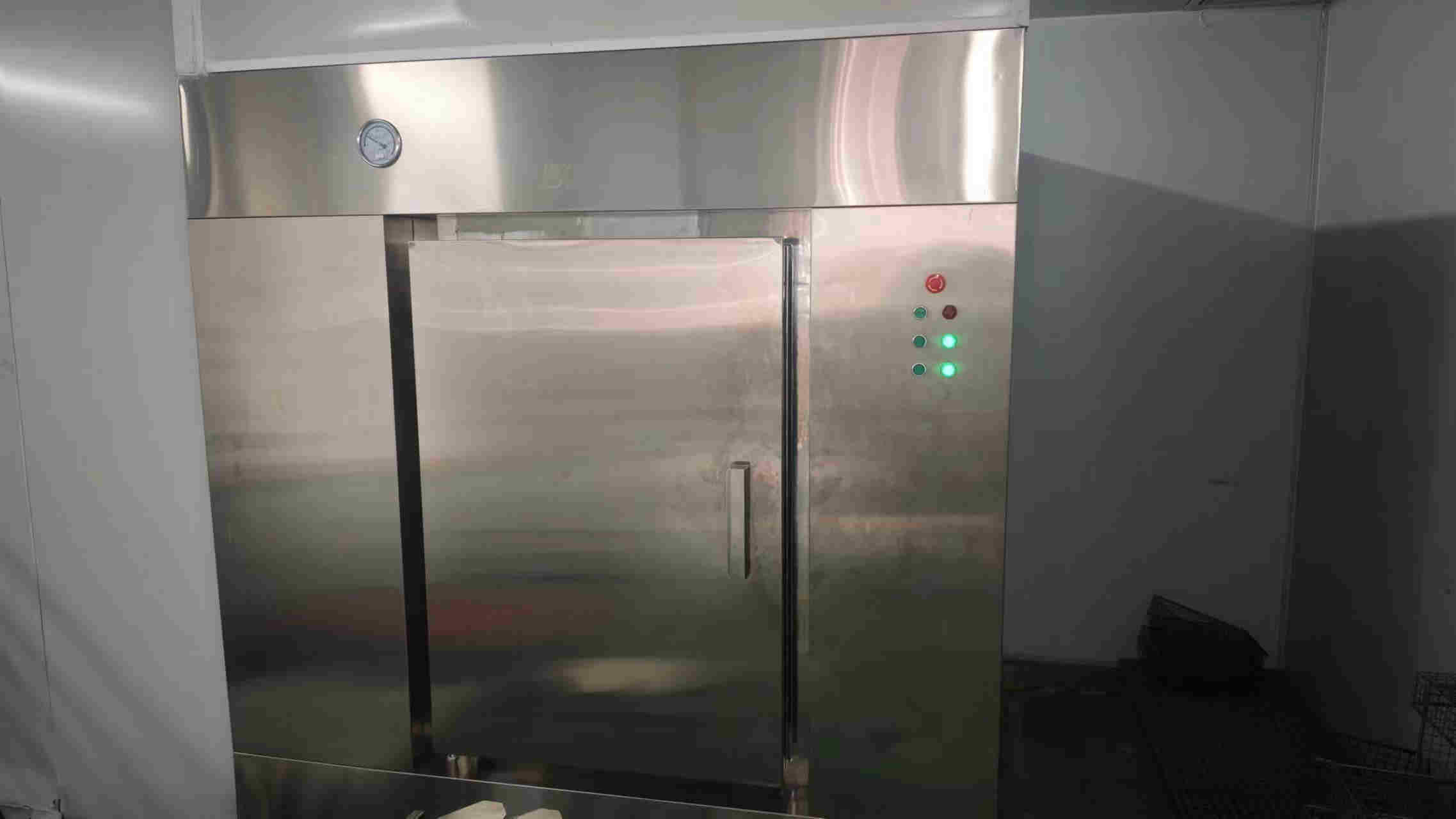
Dual-Phase Sterilization
Employing high-temperature pressurized steam autoclaves combined with pure saline packaging to maintain stability for up to 5 years.
3. Custom OEM/ODM Services for Luxembourg Distributors
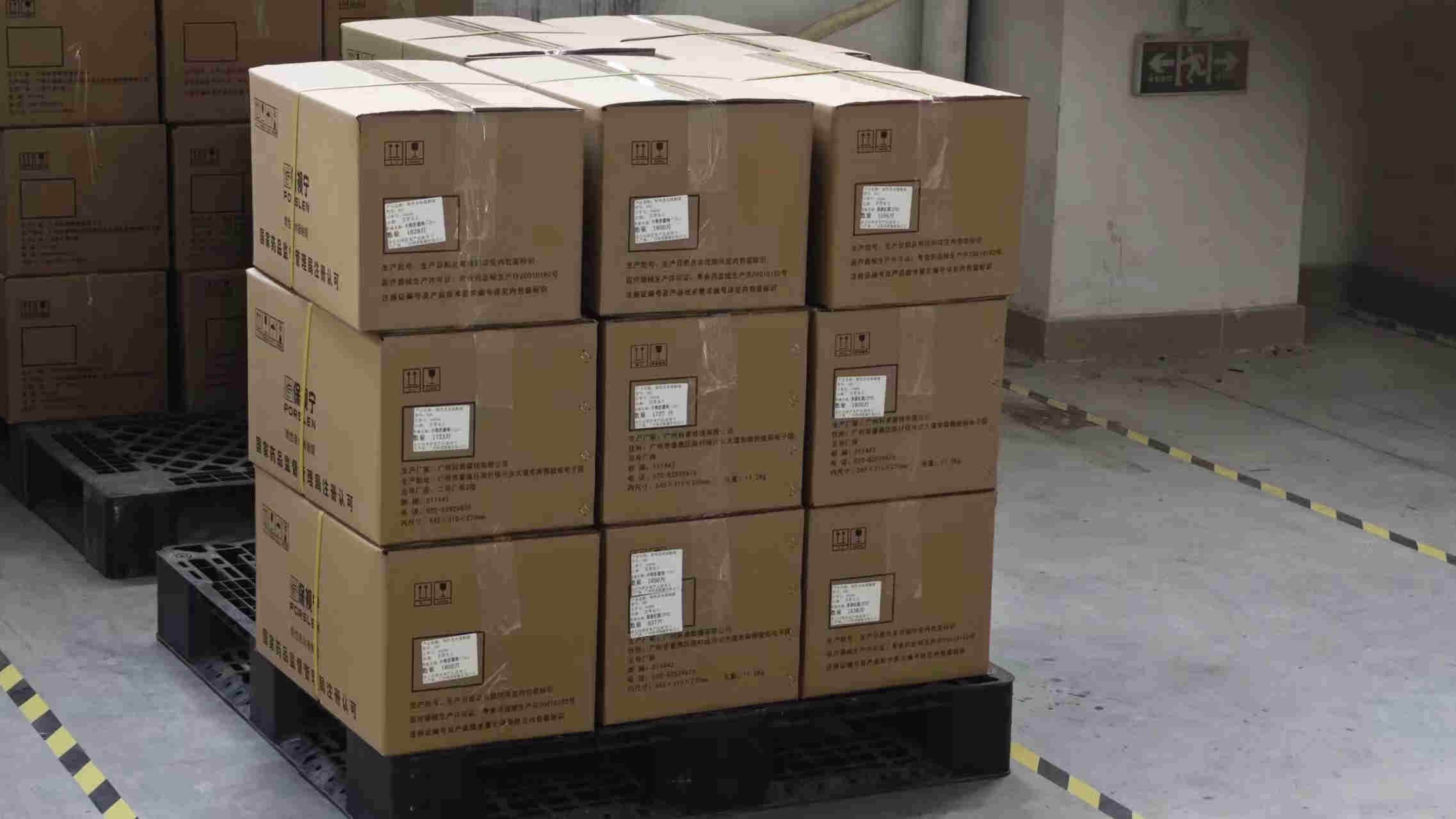
For brands in Luxembourg, Brussels, or Frankfurt, we provide end-to-end OEM/ODM private label packaging customization. This includes custom-designed blister packs, multi-lingual outer boxes compliant with EU labelling regulations, and professional photography support for digital e-commerce channels. Our logistics team handles the shipping documentation, ensuring smooth transit through Luxembourg Findel customs.
Clinical & Commercial FAQ: 14.2mm Contact Lenses
Answers to common questions regarding European regulatory compliance, material safety, and OEM partnerships.
Are your cosmetic color contact lenses fully CE certified under the new EU MDR?
Yes. All of our color contact lenses, including plano (non-prescription) fashion models, are manufactured in facilities that comply with ISO 13485:2016 and hold valid CE certification under Directive 93/42/EEC / Regulation (EU) 2017/745 (MDR). We provide full documentation packages for European customs clearance.
Why is 14.2mm the preferred diameter for the European market?
The 14.2mm diameter aligns with the average corneal horizontal visible iris diameter (HVID) of Western eyes. It provides a natural-looking enhancement while ensuring the lens sits stably over the limbal junction without sliding or causing conjunctival friction.
What is the Minimum Order Quantity (MOQ) for custom private label orders?
For customized OEM packaging and custom color runs, the MOQ starts at 500 pairs per SKU. For standard factory stock packaged under our brand or in bulk blister formats, the MOQ can be as low as 100 pairs with immediate dispatch.
How is pigment migration prevented in your cosmetic lenses?
We use advanced double-cladding sandwich technology. The design is printed and sealed between two micro-thin layers of hydrogel material, ensuring the color pigments never come into contact with the ocular tissue.
What is the average transit time to Luxembourg?
Air shipments typically arrive in Luxembourg within 5 to 7 business days, landing at Findel Airport. Bulk ocean shipments take 30 to 35 days to reach the Bettembourg Intermodal Terminal via Rotterdam or Antwerp.
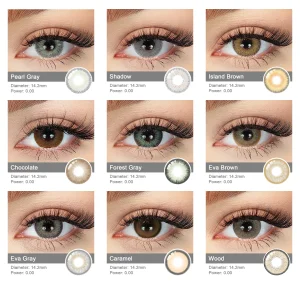
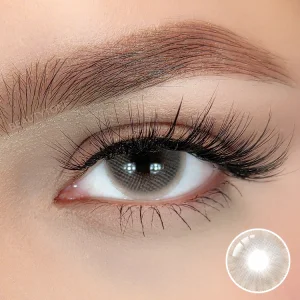
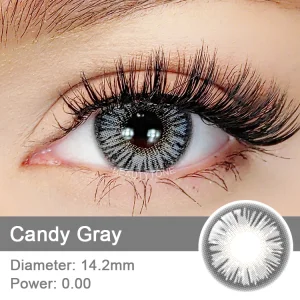
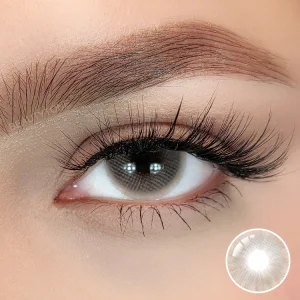
Wholesale Core Inventory: 14.2mm Contact Lenses
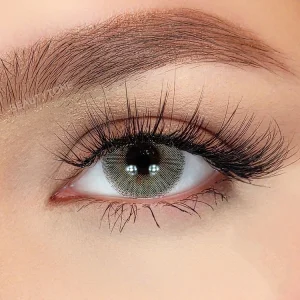
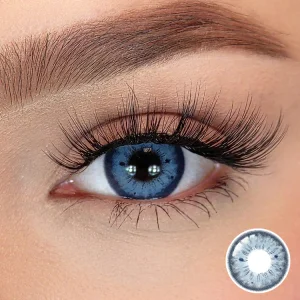
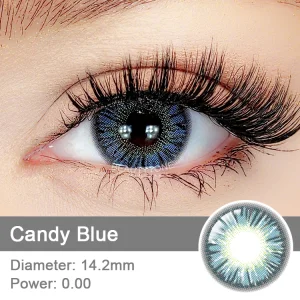
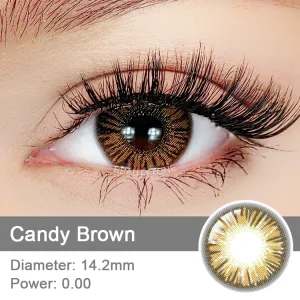
Our standard color palette is available for prompt export to Luxembourg distributors, optical retailers, and e-commerce partners.
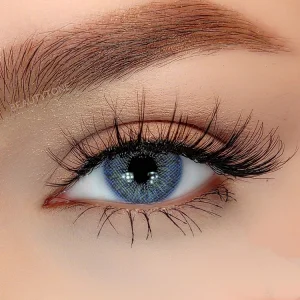
Launch Your Private Label Line in Europe
Partner with Dongguan Dailylensie Co., Ltd. for certified 14.2mm color contact lenses. We handle production, packaging design, and EU regulatory documentation.
Send Inquiry Now