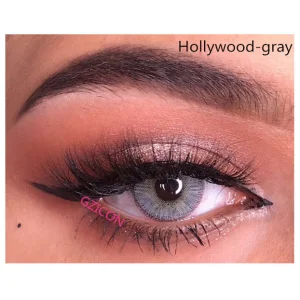
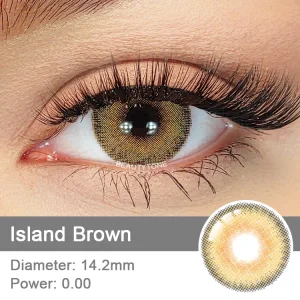
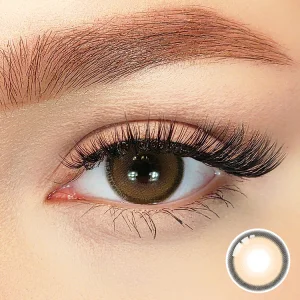
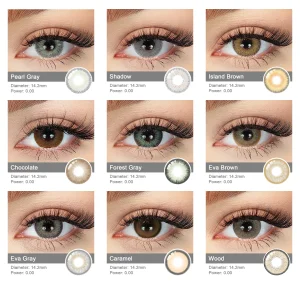
1. The Strategic Value of 14.2mm Color Lenses in the Southern California Optical Market
In the competitive landscape of cosmetic optics, product specifications are not merely design choices—they are pivotal factors in market positioning, physiological compatibility, and user satisfaction. The 14.2mm diameter stands out as the global "golden ratio" for cosmetic and corrective colored contact lenses. This specific sizing offers unique biological and aesthetic benefits that resonate deeply with the demographic preferences of the Los Angeles and broader Southern California consumer base.
Biocompatibility and corneal coverage are critical for comfort. A diameter of 14.2mm provides sufficient surface area to cover the average human iris (which typically ranges from 11.5mm to 12.0mm) without excessively overlapping the sclera. This limits limbal stem cell compression and ensures stable centration over the pupil. For Los Angeles-based optical brands, offering 14.2mm lenses minimizes fitting issues, reduces consumer returns due to discomfort, and maximizes comfort in dry, air-conditioned, or desert-edge climates like Southern California.
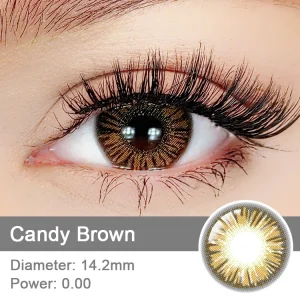
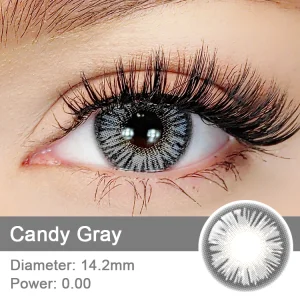
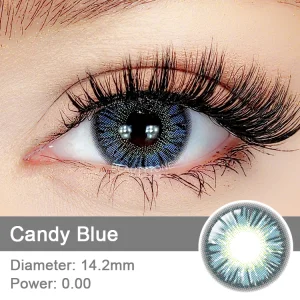
"Aesthetic demands in major cosmopolitan hubs like Los Angeles require a balance between noticeable enhancement and natural elegance. The 14.2mm dimension provides the necessary space for intricate 3-tone color matrix layering without resulting in an unnatural 'doll-eye' look, making it the preferred choice for film, television, and daily lifestyle wear."
2. The Los Angeles Market: Hub of Influencer Commerce & Cinematic Cosmetics
Los Angeles is not just a consumer market; it is a global engine for trend creation. The convergence of Hollywood's special effects makeup departments, high-profile fashion weeks, the digital creator economy of Beverly Hills and West Hollywood, and a multicultural demographic creates a multifaceted demand for premium color contact lenses.
For local brands and wholesale distributors, sourcing from a manufacturer capable of rapid customization and high-volume consistency is crucial. The typical Los Angeles buyer expects products that perform under studio lighting, maintain physiological hydration over long shooting schedules, and offer realistic iris patterns. The modern market trend is moving away from flat, single-tone colors toward nuanced multi-tone patterns (such as caramel, hazel, icy blue, and warm gray) that mimic the natural depth of human irises. This shift requires advanced print positioning technologies and high-fidelity dye transfer methods, which are only achievable in automated cleanroom factories.