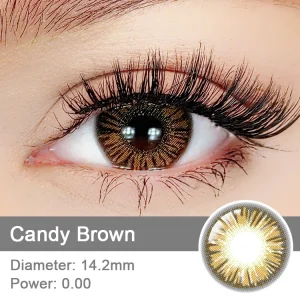
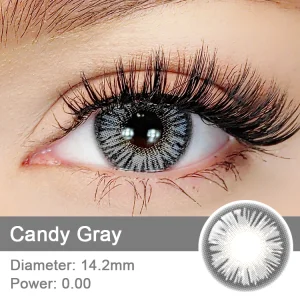
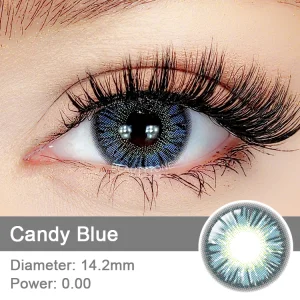
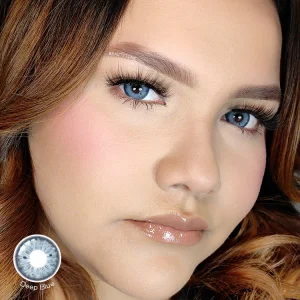
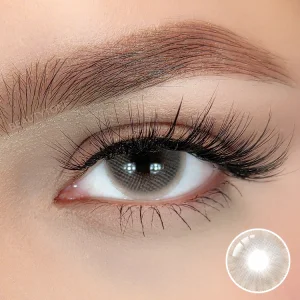
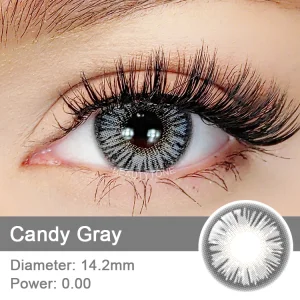
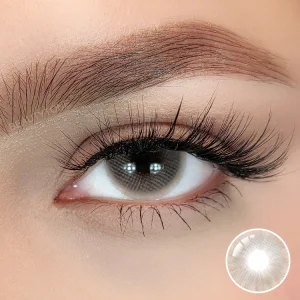
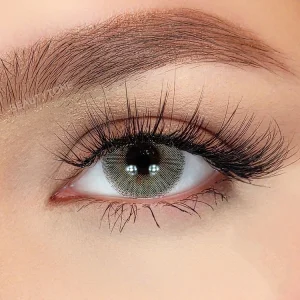
Featured 14.2mm Cosmetic Eye Contacts for the Egyptian Market
Discover our top-tier export items specifically tailored to match the aesthetic preferences and atmospheric requirements of optical stores in Cairo, Alexandria, and beyond.
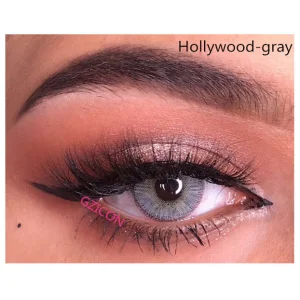
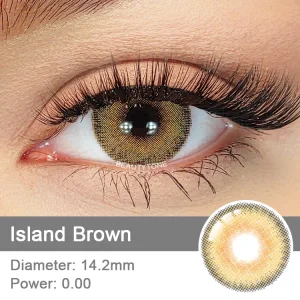
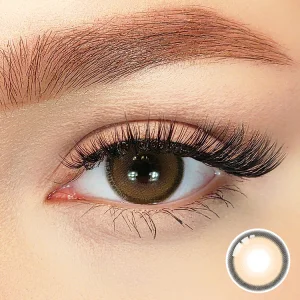
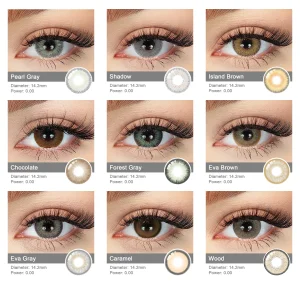
Who We Are | Dongguan Dailylensie Co., Ltd.
At Dongguan Dailylensie Co., Ltd., we bridge the gap between medical-grade manufacturing precision and cutting-edge eye aesthetics. Based in Dongguan, China, we are a modern contact lens factory specializing in full-service OEM/ODM and private-label solutions for the global market, including major distribution channels throughout the Middle East and North Africa (MENA) region.
We don't just manufacture lenses; we bring vision to life. Our facility features fully automated production lines and an in-house design lab capable of executing complex, multi-tone color gradients and custom patterns that align with current beauty trends. Safety and comfort remain our bedrock—every lens undergoes rigorous automated cosmetic inspection and hydration testing in our certified cleanrooms.
Whether you are an established optical brand looking for a stable supply chain or a rising beauty influencer launching your first colored lens line in Egypt, we provide flexible MOQ options, streamlined regulatory support, and reliable global shipping. Partner with us to experience manufacturing transparency and product excellence.
Factory Tour: Our Medical-Grade Manufacturing Process
Witness our integrated manufacturing process, combining high-grade HEMA materials, sterile environments, and precision CNC molding technologies.
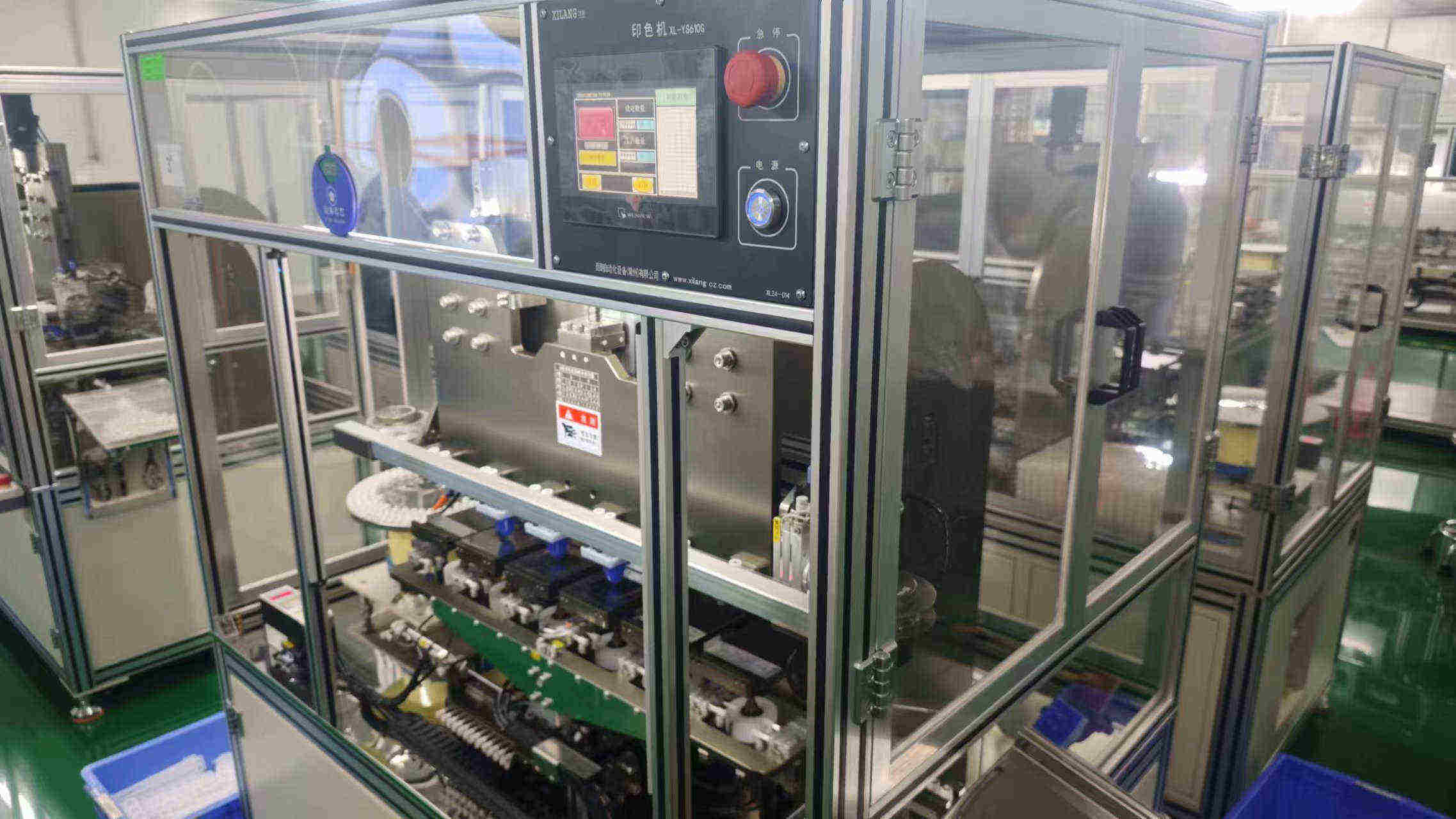
Pad Printing
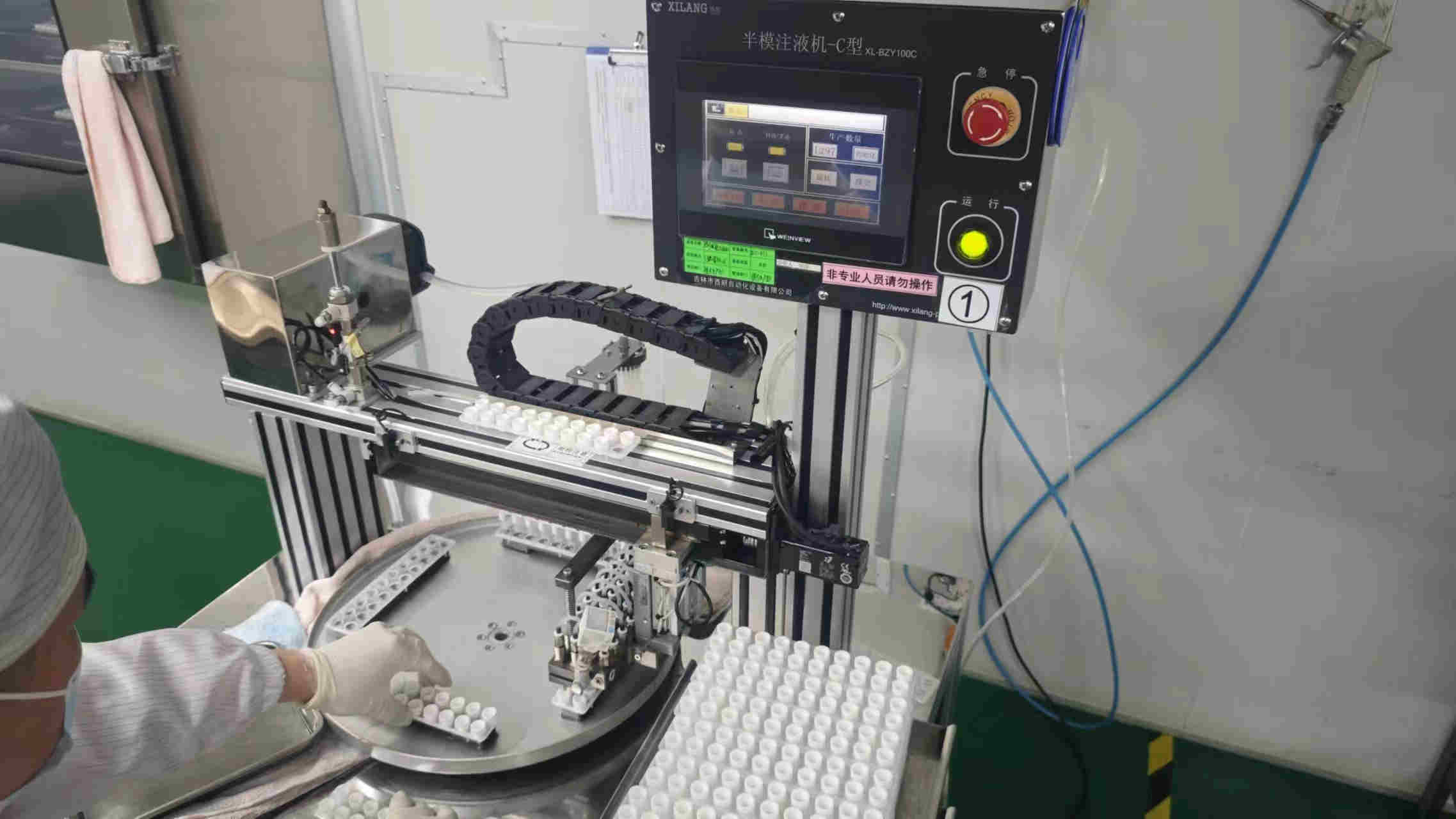
Liquid Injection
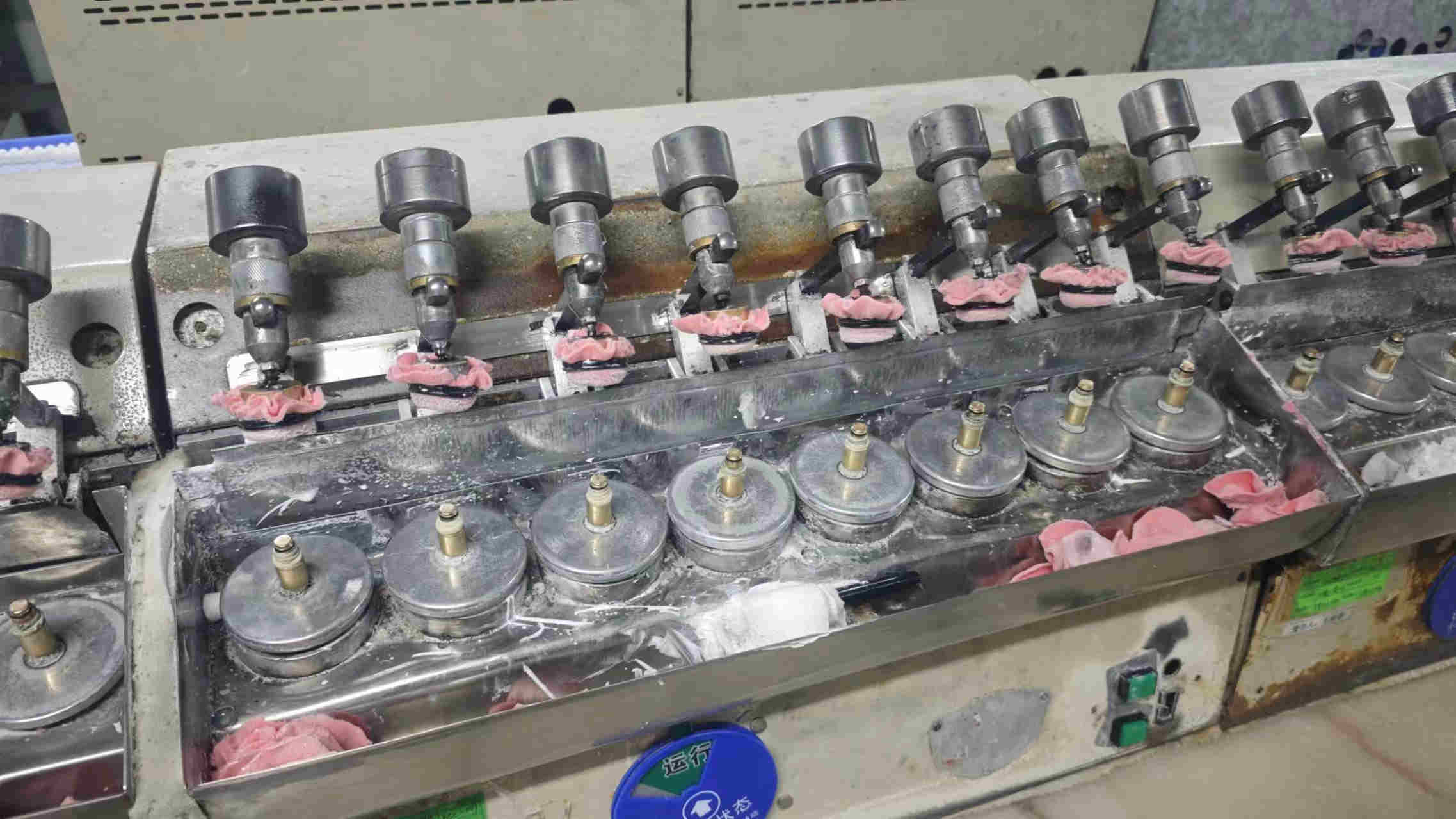
Melt Polish
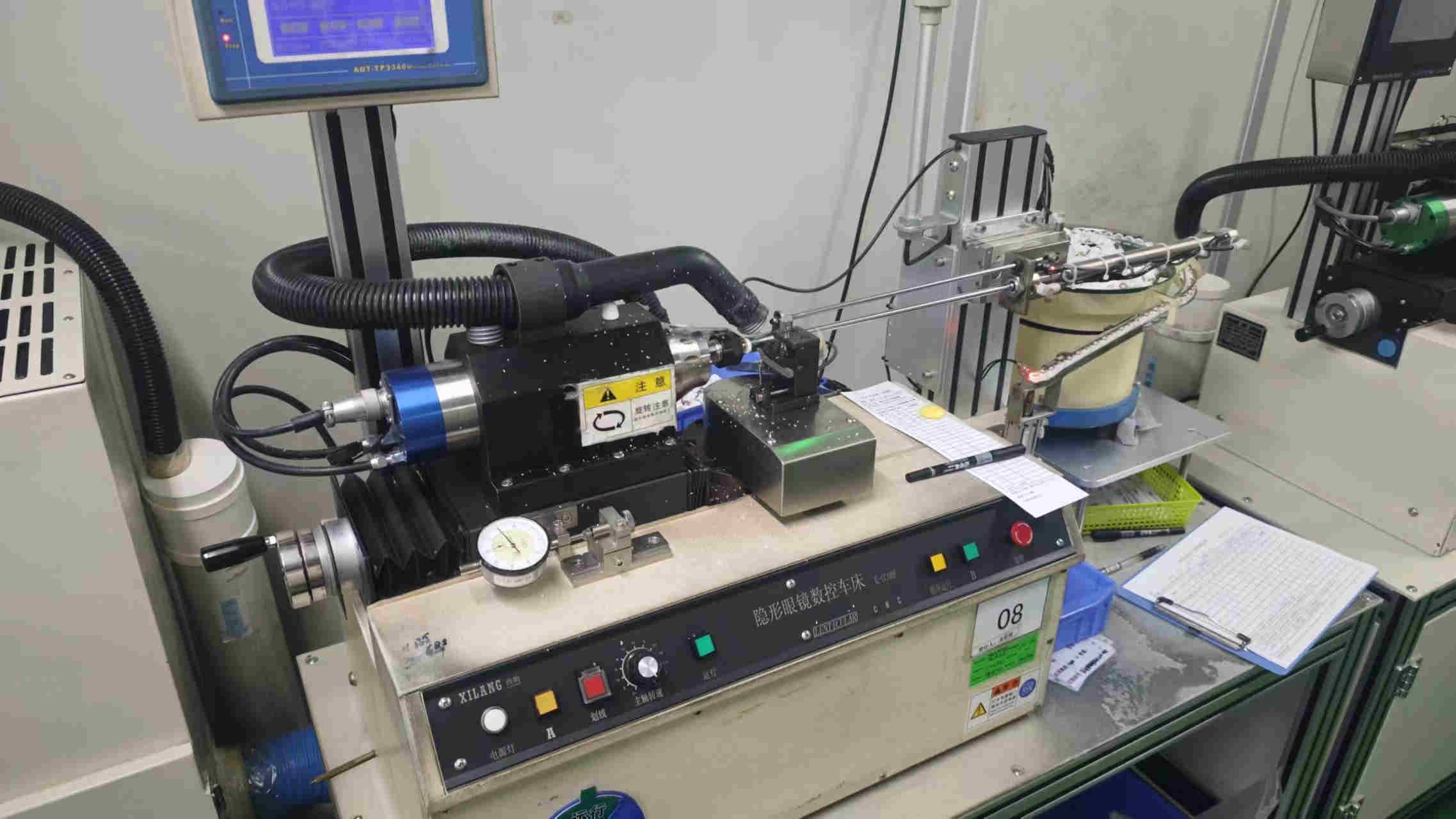
Dry-Cut Shaping
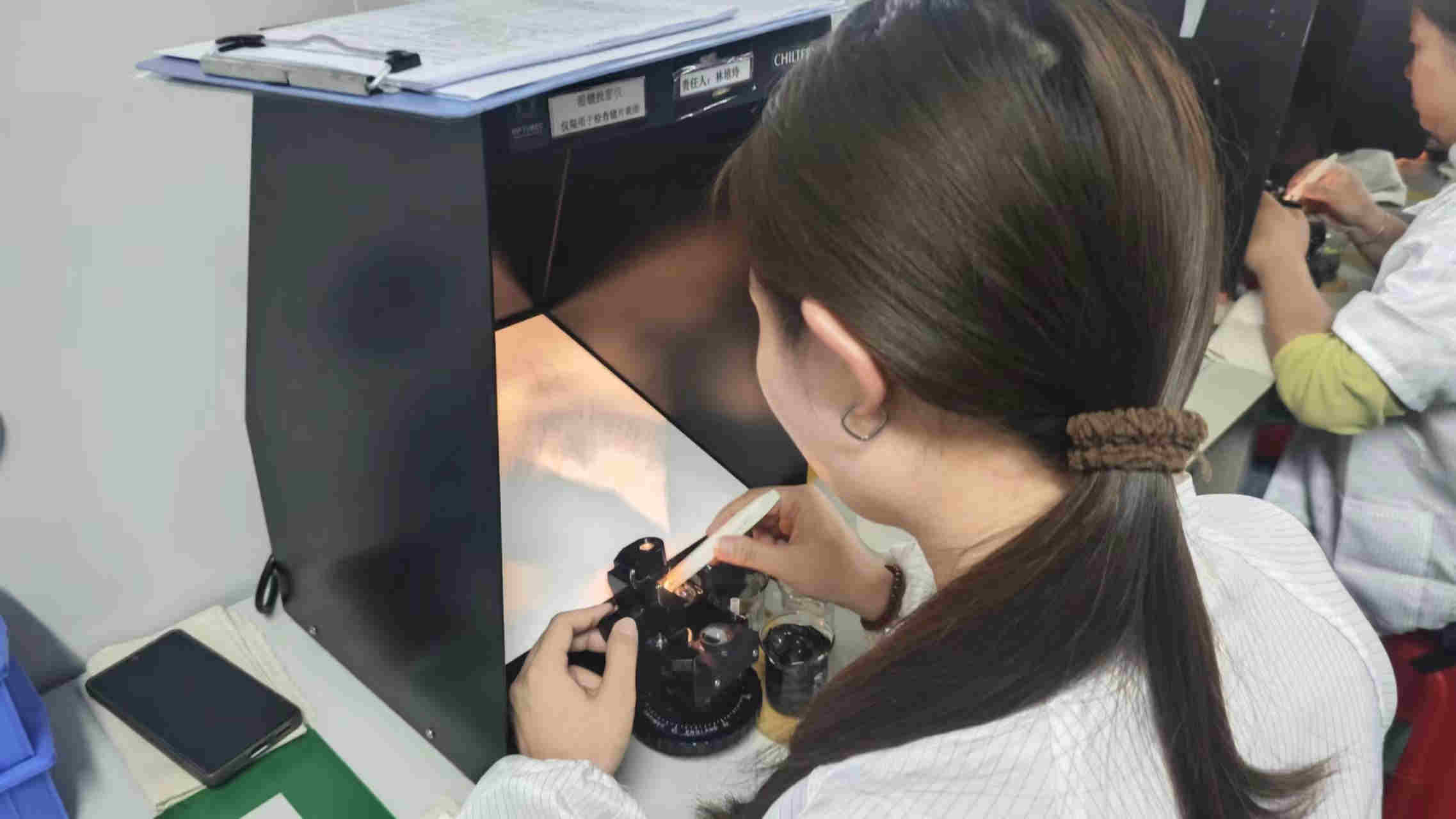
Microscopic QC
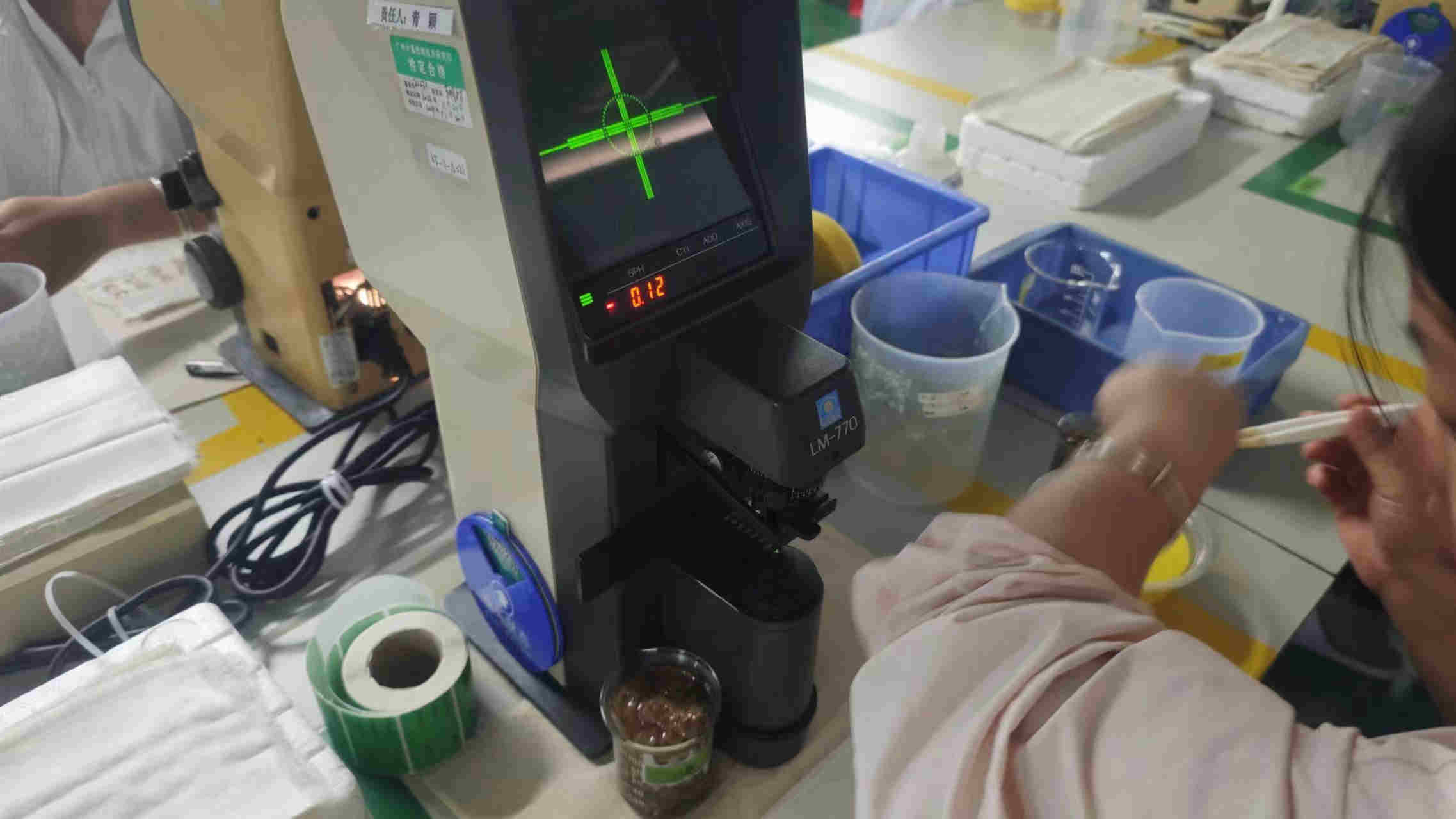
Dual-Lens Inspection
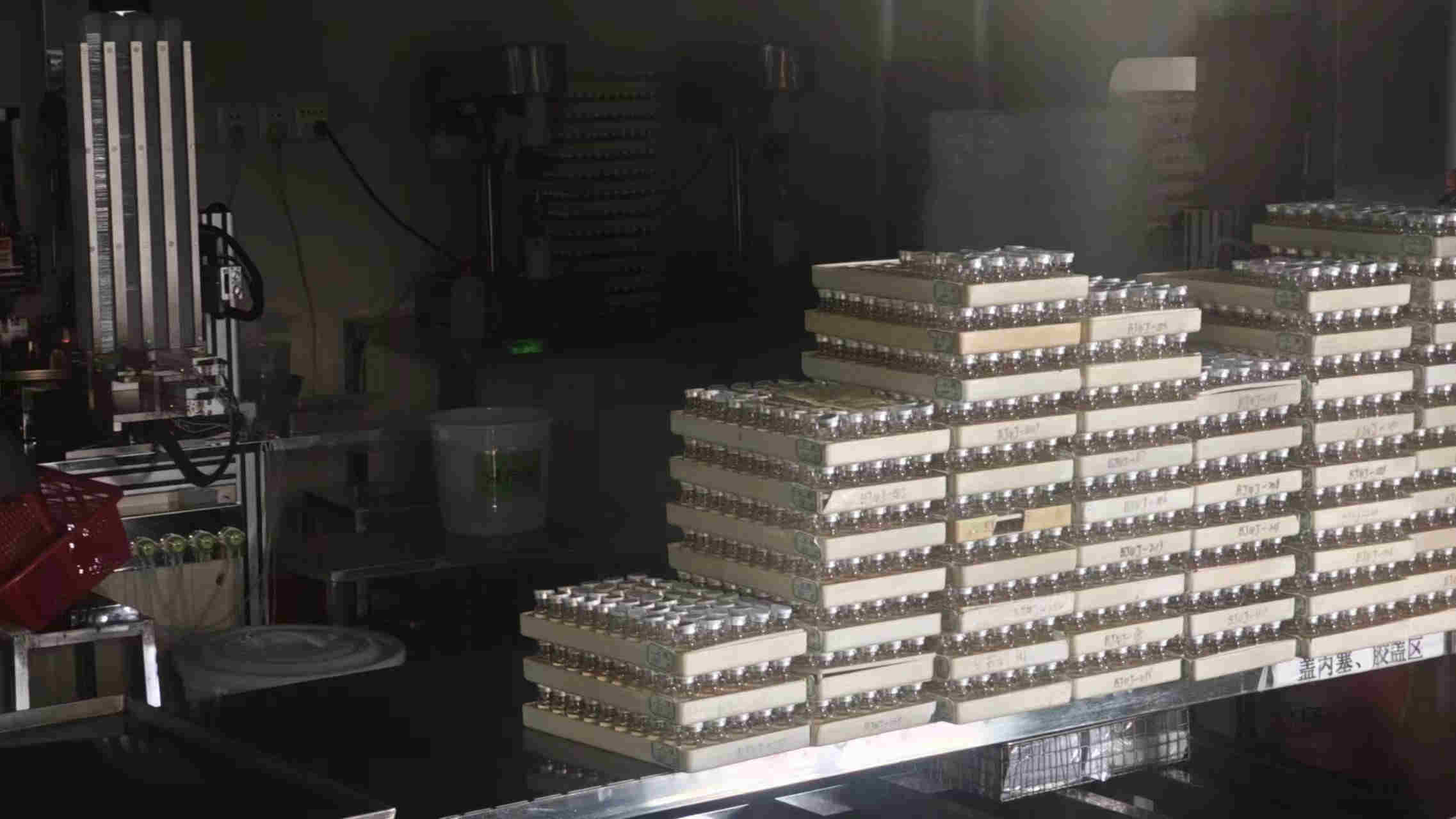
Aseptic Blister Packaging
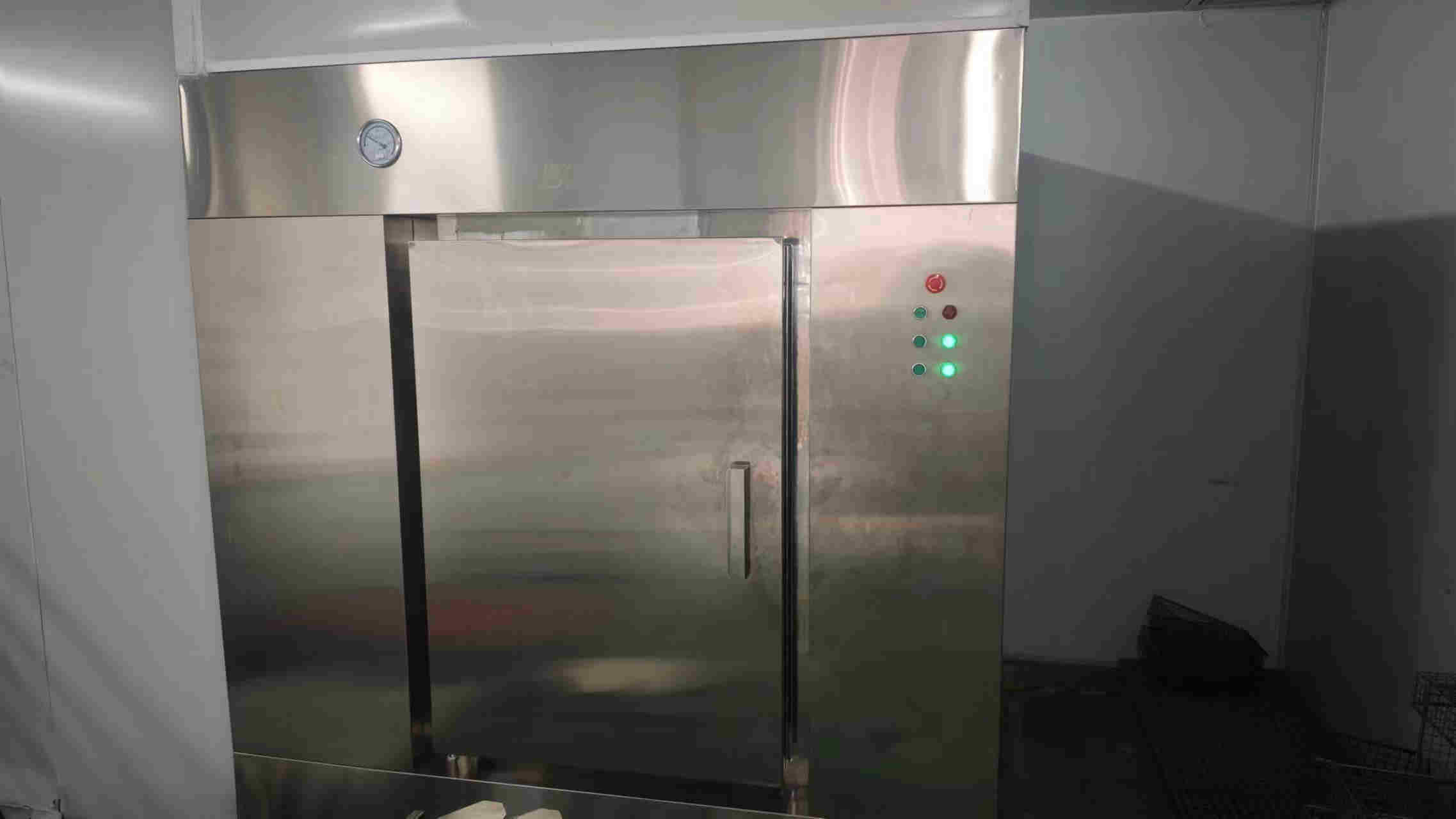
High-Temp Sterilization
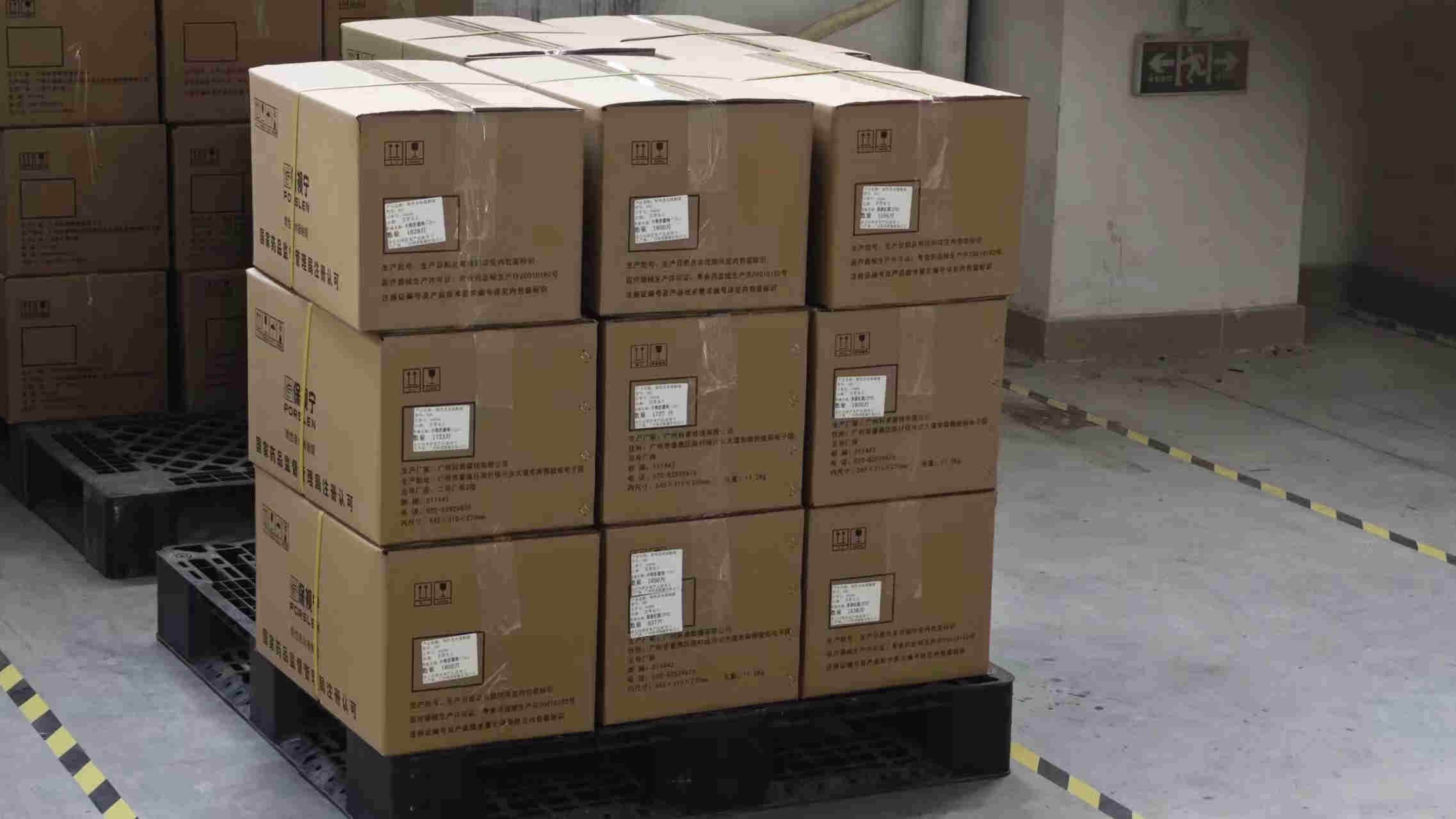
Sealed Packaging Stock
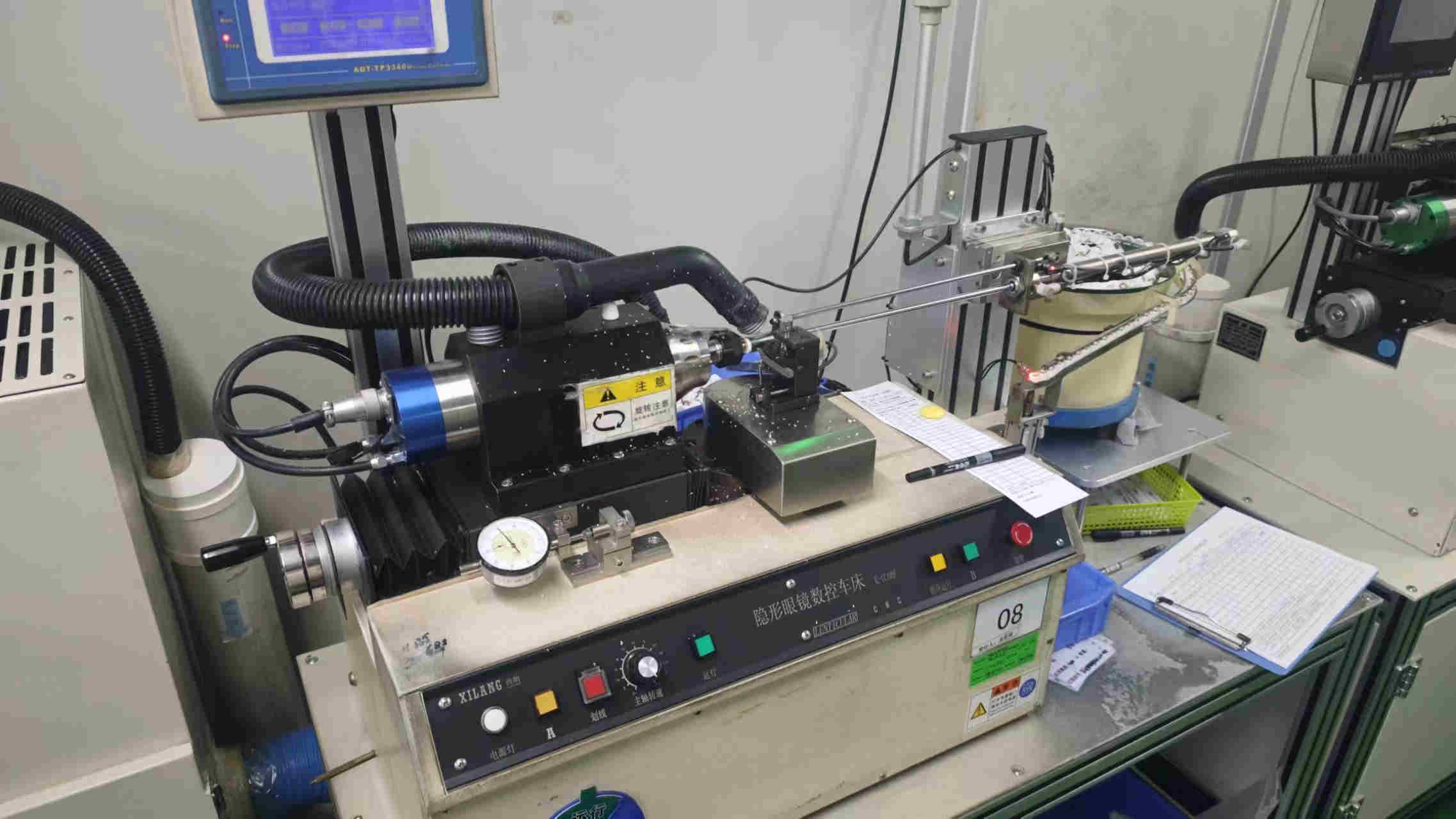
CNC Lathe Cutting
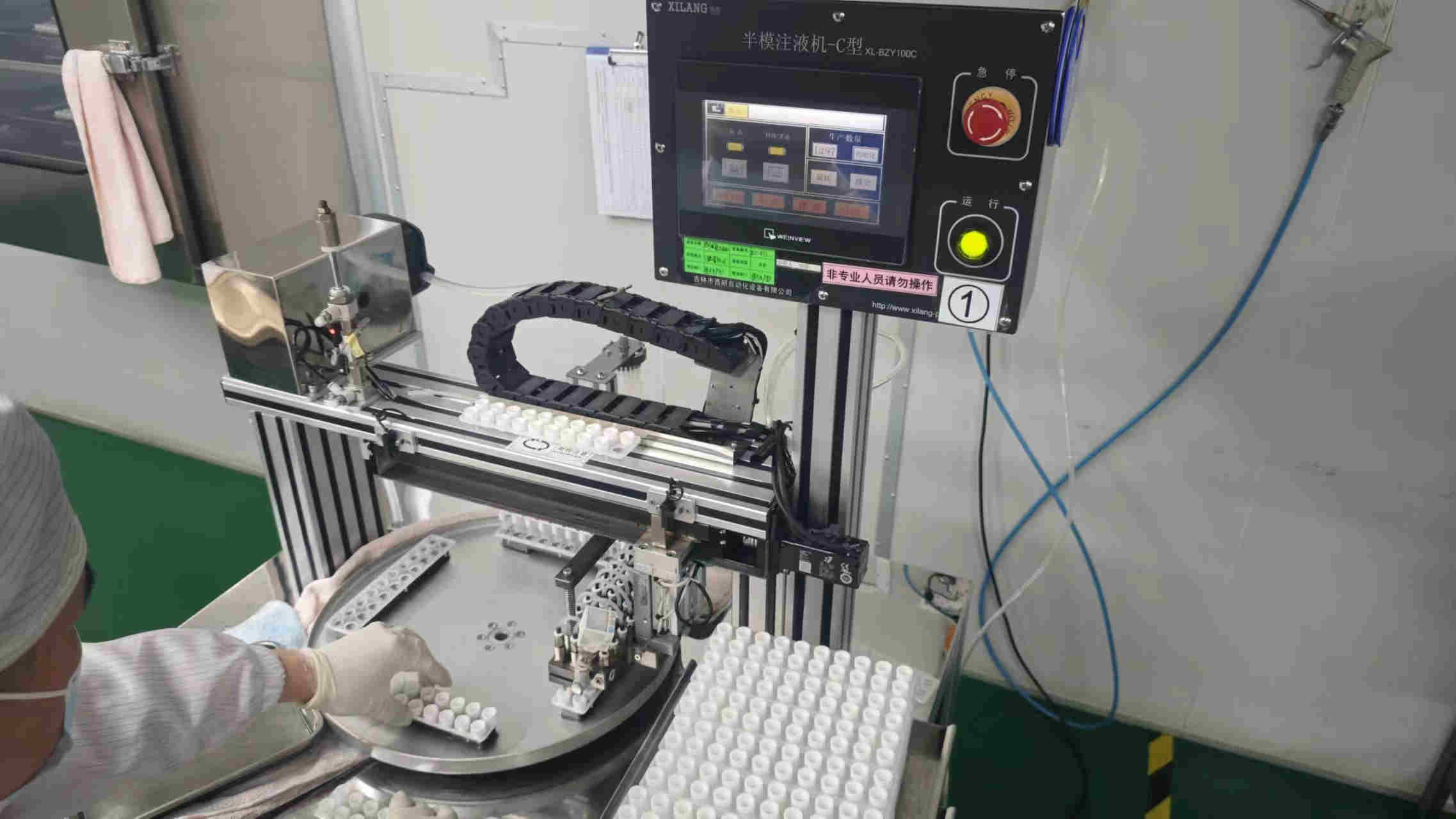
Automated Cast Injector
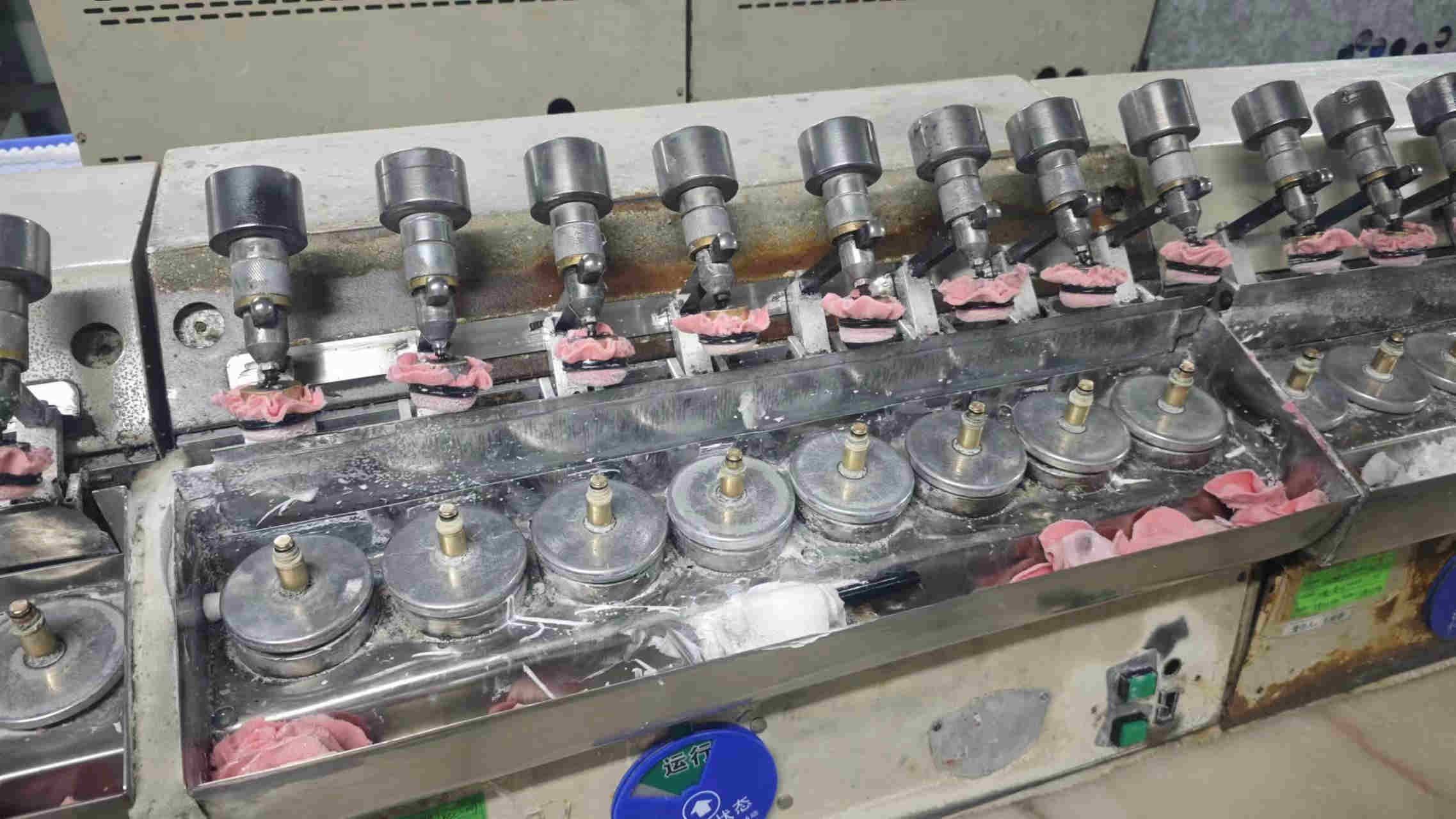
Automatic Edge Polish
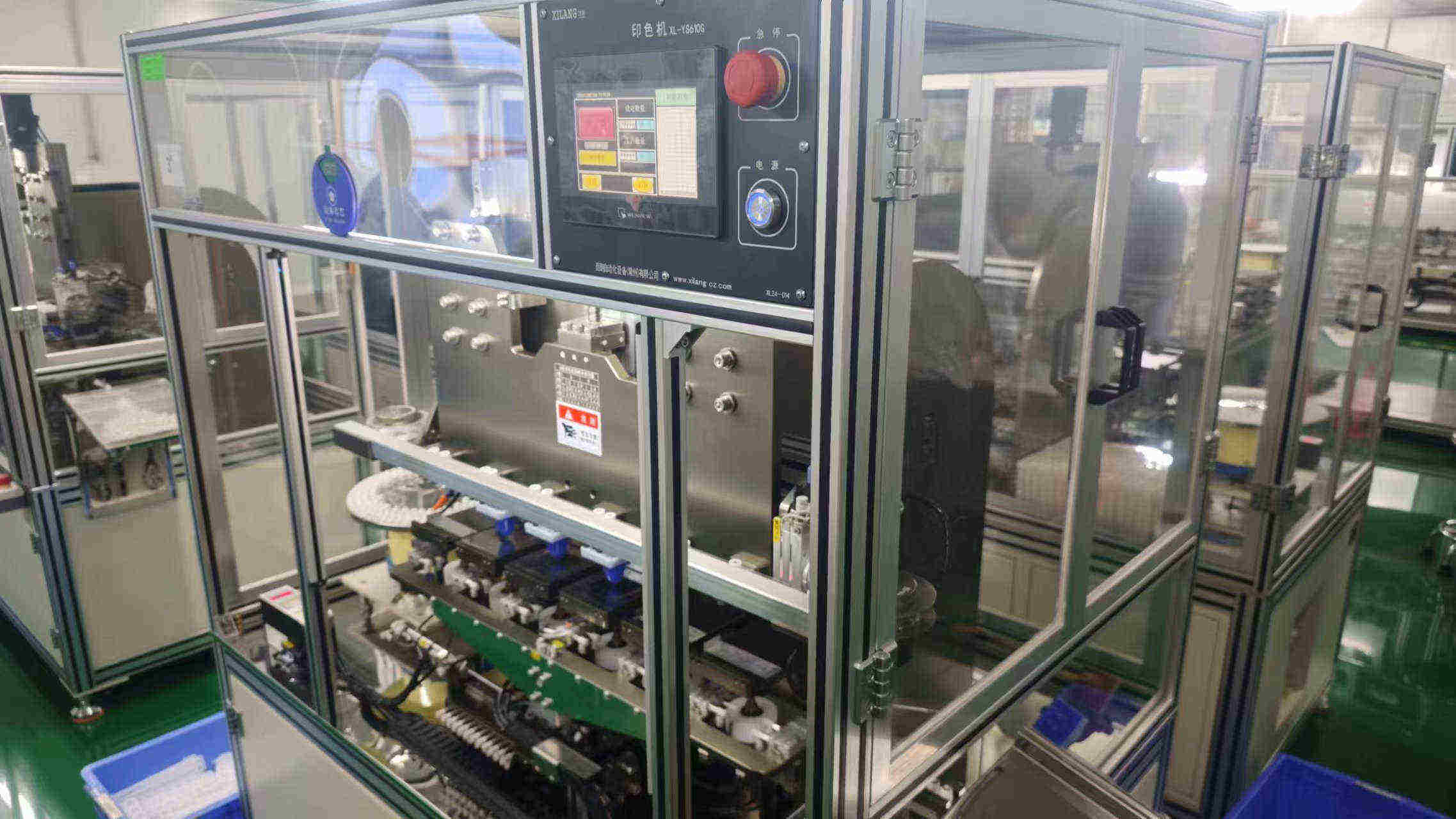
Multi-Tone Color Printer
Industrial Demands & Commercial Realities of Contact Lenses in Egypt
The Middle East and North Africa (MENA) region, with Egypt at its absolute epicenter, represents one of the fastest-growing geographical markets for cosmetic, non-prescription, and therapeutic eye-lens products. Driven by a young population, strong cultural focus on cosmetic enhancement, and the rapid expansion of digital commerce platforms, the Egyptian market presents distinct opportunities and technical challenges for international exporters.
1. Localized Market Landscapes: The Egyptian Optical Boom
Egypt's cosmetic lens sector is fueled heavily by consumer activity in metropolitan hubs such as Cairo, Alexandria, Giza, and Mansoura. Driven by local digital influencers, makeup professionals, and bridal stylists, colored contacts are viewed as a critical accessory for social gatherings, festive seasons (such as Eid and Ramadan), and weddings. Concurrently, platforms like Amazon Egypt, Jumia, and thousands of dedicated Instagram beauty storefronts have simplified the distribution of cosmetics, leading to a surges in demand.
However, exporting to Egypt requires an understanding of localized physiological and atmospheric factors. The Egyptian climate is primarily arid and warm, with seasonal wind-driven dust (such as the Khamsin). Consequently, lenses sold in Egypt must possess high oxygen transmissibility (Dk/t) and deposit-resistant polymer matrixes to prevent dry-eye syndromes and irritation in metropolitan and desert-adjacent conditions.
2. Global Industrial Realities & Technical Standards
In the international lens manufacturing arena, standard diameters range from 13.8mm to 14.5mm. The 14.2mm parameter is widely acknowledged as the "Golden Ratio." This diameter accommodates the natural anatomical iris measurements of most consumers while offering a subtle, enlarging cosmetic effect (limbal ring emphasis) without compressing the corneal limbus.
Global manufacturing leverages two primary production paths:
Cast Molding Technology
High-precision, high-volume production route where liquid monomer is injected into male/female molds and cured via UV or thermal processes. It offers superior edge geometry reproducibility and surface smoothness, ideal for high-volume OEM clients.
Lathe Cutting Technology
Monomer rods are dehydrated, cut on precision CNC lathes, polished, and hydrated. This method is primarily reserved for custom prescription ranges or highly specialized custom toric color lenses.
Material Science: Engineering the Perfect 14.2mm Lens
For cosmetic contact lenses to perform optimally in the hot, dry Egyptian climate, the polymer chemistry must be meticulously balanced. Standard lens materials include hydrophilic hydrogels (like HEMA and Polymacon) and advanced silicone hydrogels. Below, we compare the key metrics that determine comfort and longevity in demanding arid environments.
Hydration vs. Evaporation Dynamics
Lenses with very high water content (e.g., 55% or higher) can actually draw moisture away from the wearer's natural tear film in hot climates, causing dry-eye syndrome. Dailylensie designs its 14.2mm cosmetic lenses with an optimized water content of 38% to 42%, striking the ideal balance between initial wear comfort and long-term hydration stability throughout the day.
Double Cladding Sandwich Printing
To guarantee absolute safety, pigment printing technology is vital. Our advanced sandwich encapsulation process embeds color layers between two thin layers of clear hydrogel material. This ensures that bio-compatible pigments never come into contact with corneal tissue, eliminating the risk of micro-abrasions, allergic reactions, and pigment degradation.
Furthermore, our lenses feature integrated UV blockers (UVA and UVB) directly within the polymer mix. This protective barrier helps screen out harmful solar rays, providing an essential secondary layer of defense against high UV exposure in Egypt.
Macro Supply Chain & Egypt Regulatory Navigation
Exporting medical devices (including cosmetic lenses) to Egypt requires compliance with rigorous domestic oversight. Navigating the regulatory landscape and logistics channels is a core component of Dailylensie’s comprehensive B2B services.
Egyptian Drug Authority (EDA) Compliance
Contact lenses are classified as Class IIb/III medical devices under the EDA guidelines. Exporters must provide complete technical files (including ISO 13485 certifications, CE marks, and free-sale certificates). Dailylensie offers complete documentation support, enabling Egypt-based importers to register formulations and color ranges efficiently.
Logistics Channels (Sea and Air Freight)
Bulk shipments are routed either via air freight directly to Cairo International Airport (CAI) for rapid replenishment of stock or via sea shipping lines terminating at Port of Alexandria, Port Said, or Damietta. We pack shipments in temperature-controlled, sterile export cartons to prevent degradation during transport through hot climates.
Custom Private Label & OEM Packaging
Our design laboratory creates customized bilingual (Arabic and English) packaging designs that comply with local regulatory mandates. This includes barcode generation, manufacturing/expiry date printing, and instructional inserts required by Egyptian consumer protection laws.
Localized Application Scenarios: Fitting the Egyptian Lifestyle
Understanding how the final consumer uses cosmetic contacts is crucial for tailoring product lines and marketing collateral. In Egypt, three major usage profiles dictate volume purchasing trends:
Bridal Makeup & High-Fashion Styling
Egyptian weddings are renowned for elaborate, glamorous aesthetic styles. Makeup artists in Cairo and Alexandria rely on 14.2mm natural-blend colors (such as hazel, honey, and soft gray tones) to create expressive eye looks under high-intensity event lighting. High coverage capability on dark brown eyes is essential.
Ramadan & Festive Social Seasons
During major holiday periods, consumer spending on cosmetic apparel and personal aesthetics peaks. Daily and monthly disposable colored contact lenses experience massive spikes in sales volume, with retail outlets seeking flexible supplier shipments to meet seasonal demands.
Daily Urban Protection & Comfort
University students and young professionals in urban centers seek comfort during long commutes. The combination of sand, air conditioning, and screen exposure demands lenses built with integrated moisture locks and surface-slickness treatments that prevent surface dehydration.
Frequently Asked Questions (FAQ)
Find detailed technical, logistic, and regulatory answers regarding importing 14.2mm color lenses into Egypt.
Explore Our Extended Cosmetic Lens Catalog
High-quality yearly, monthly, and daily disposable contact lenses designed for commercial optical networks across Egypt.