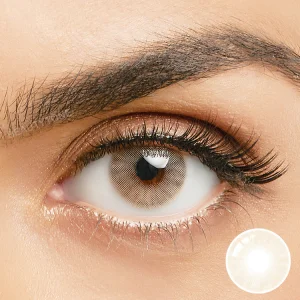
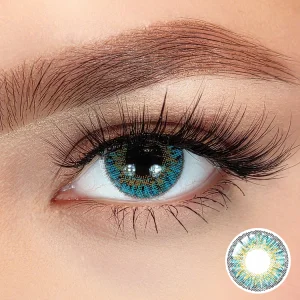
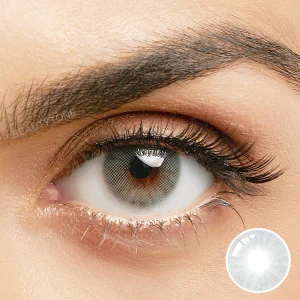
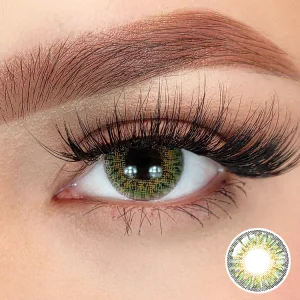
High-precision contact lenses crafted with cutting-edge optical polymers for unparalleled ocular oxygenation and aesthetic realism.
1. Deconstructing the B2B Demand for Air Optix Equivalent Contact Lenses
In the global optometry sector, the search for high-tier contact lenses is dominated by key performance characteristics: oxygen transmissibility (Dk/t), surface moisture retention, biocompatibility, and resistance to lipid deposits. Air Optix, pioneered by Alcon using advanced silicone hydrogel (Lotrafilcon B), has long set the benchmark for extended-wear comfort. For B2B importers, optical brands, and retail chains, procuring contact lenses that match or exceed these specifications is critical to satisfying the increasingly discerning end-consumer.
Modern users seek more than simple refractive correction; they demand visual health longevity. In response, professional procurement teams look to secure alliances with manufacturers capable of delivering high-oxygen silicone hydrogel matrices, customized design profiles, and regulatory compliance certificates (FDA, CE, ISO 13485) equivalent to major global brands. Understanding this market dynamic requires an in-depth exploration of material sciences, manufacturing workflows, and the strategic advantages offered by specialized manufacturing hubs.
2. Who We Are | Dongguan Dailylensie Co., Ltd.
At Dongguan Dailylensie Co., Ltd., we bridge the gap between medical-grade manufacturing precision and cutting-edge eye aesthetics. Based in Dongguan, China, we are a modern contact lens factory specializing in full-service OEM/ODM and private-label solutions for the global market.
We don't just manufacture lenses; we bring vision to life. Our facility features fully automated production lines and an in-house design lab capable of executing complex, multi-tone color gradients and custom patterns that align with current beauty trends. Safety and comfort remain our bedrock—every lens undergoes rigorous automated cosmetic inspection and hydration testing in our certified cleanrooms.
Whether you are an established optical brand looking for a stable supply chain or a rising beauty influencer launching your first colored lens line, Chic Contacts provides flexible MOQ options, streamlined regulatory support, and reliable global shipping. Partner with us to experience manufacturing transparency and product excellence.
3. The Key Advantages of Chinese Contact Lens Factories
China’s advanced manufacturing infrastructure in optical technologies has undergone rapid evolution, moving from high-volume standardized production to highly specialized, medical-grade scientific customization. The advantages of sourcing from Chinese facilities like Dongguan Dailylensie Co., Ltd. include:
Advanced Material Science and Engineering
Developing alternative options to Lotrafilcon B requires complex copolymer chemistry. Chinese R&D labs have successfully synthesized hydrogels with high oxygen transmissibility (SiHy) and proprietary surface treatment technologies that mimic Air Optix’s SmartShield Technology. This provides a plasma-treated, hydrophilic barrier that resists lipids and retains moisture throughout long wear cycles.
Substantial Cost Efficiencies with High Precision
By integrating raw materials sourcing, high-precision molding, packaging, and sterilization inside a singular manufacturing eco-zone in Dongguan, our factory reduces production overheads by 30-40% compared to Western manufacturing plants. These savings are passed directly to B2B clients, enhancing retail margins.
Agile Supply Chain and Flexible MOQs
Traditional multinational suppliers demand massive minimum order quantities (MOQs) and enforce rigid lead times. Dongguan factories offer customizable, agile production runs, allowing brands to test small batches of cosmetic or prescription lines without excessive capital commitment, reducing inventory risks significantly.
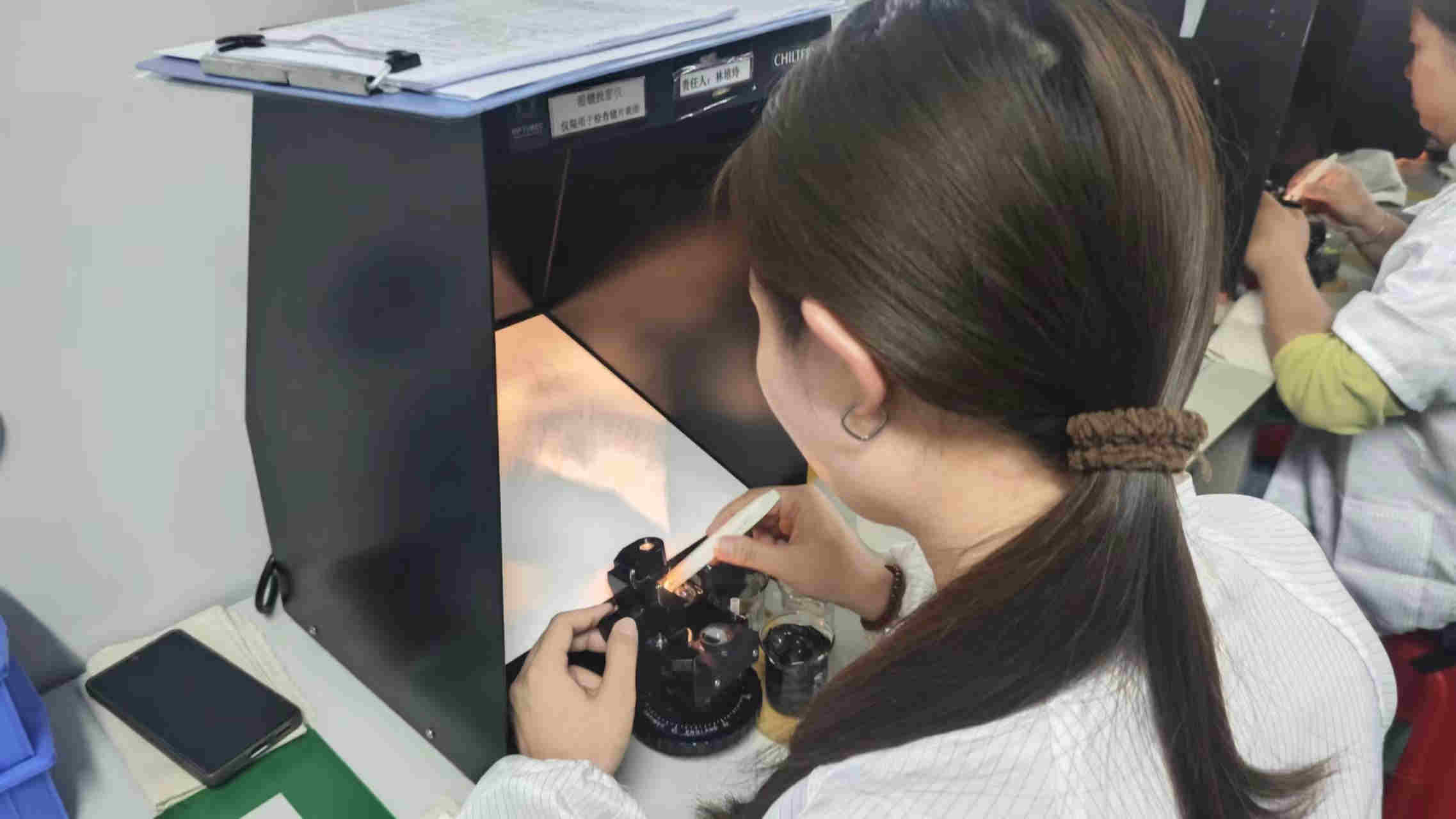
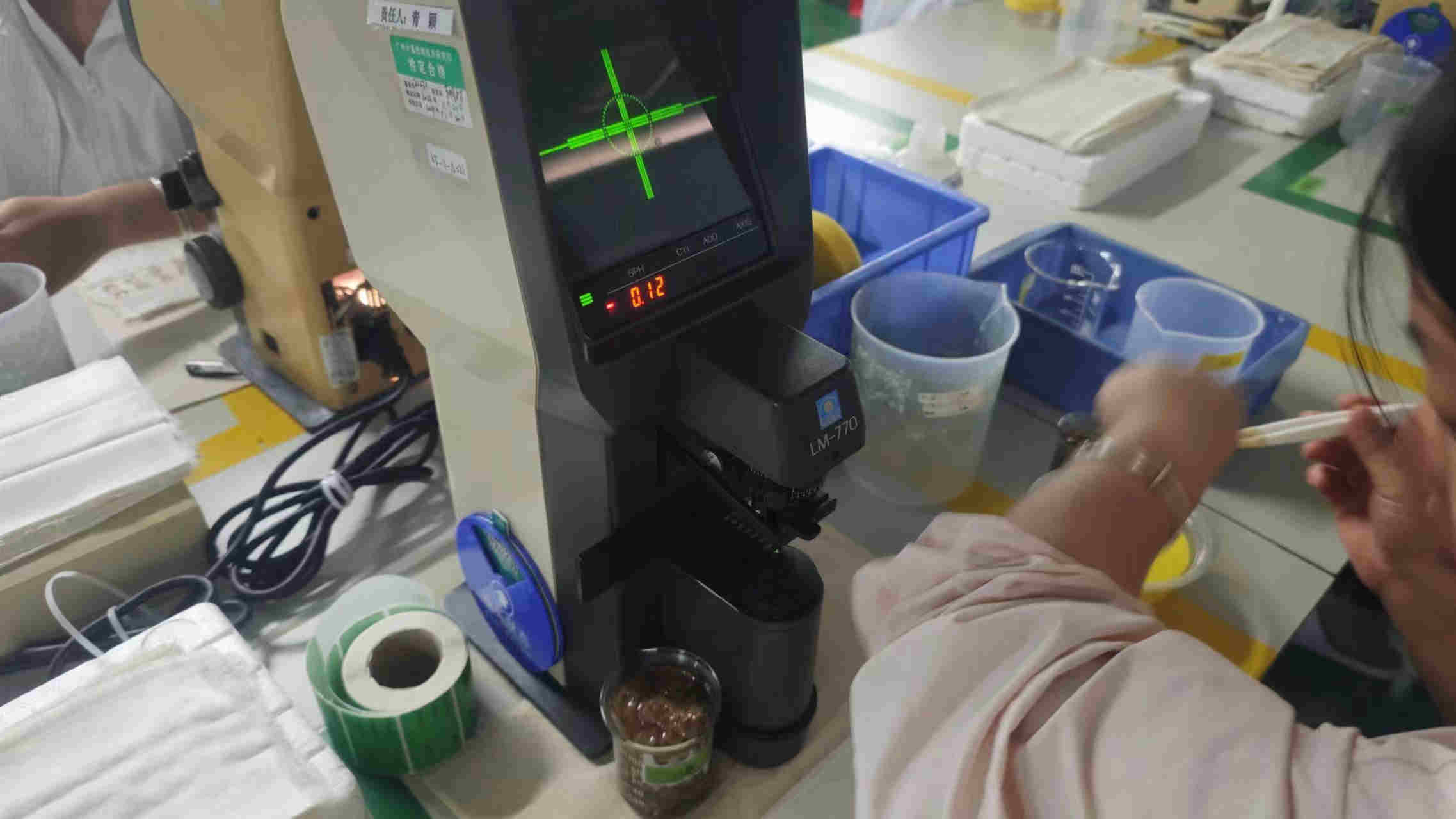
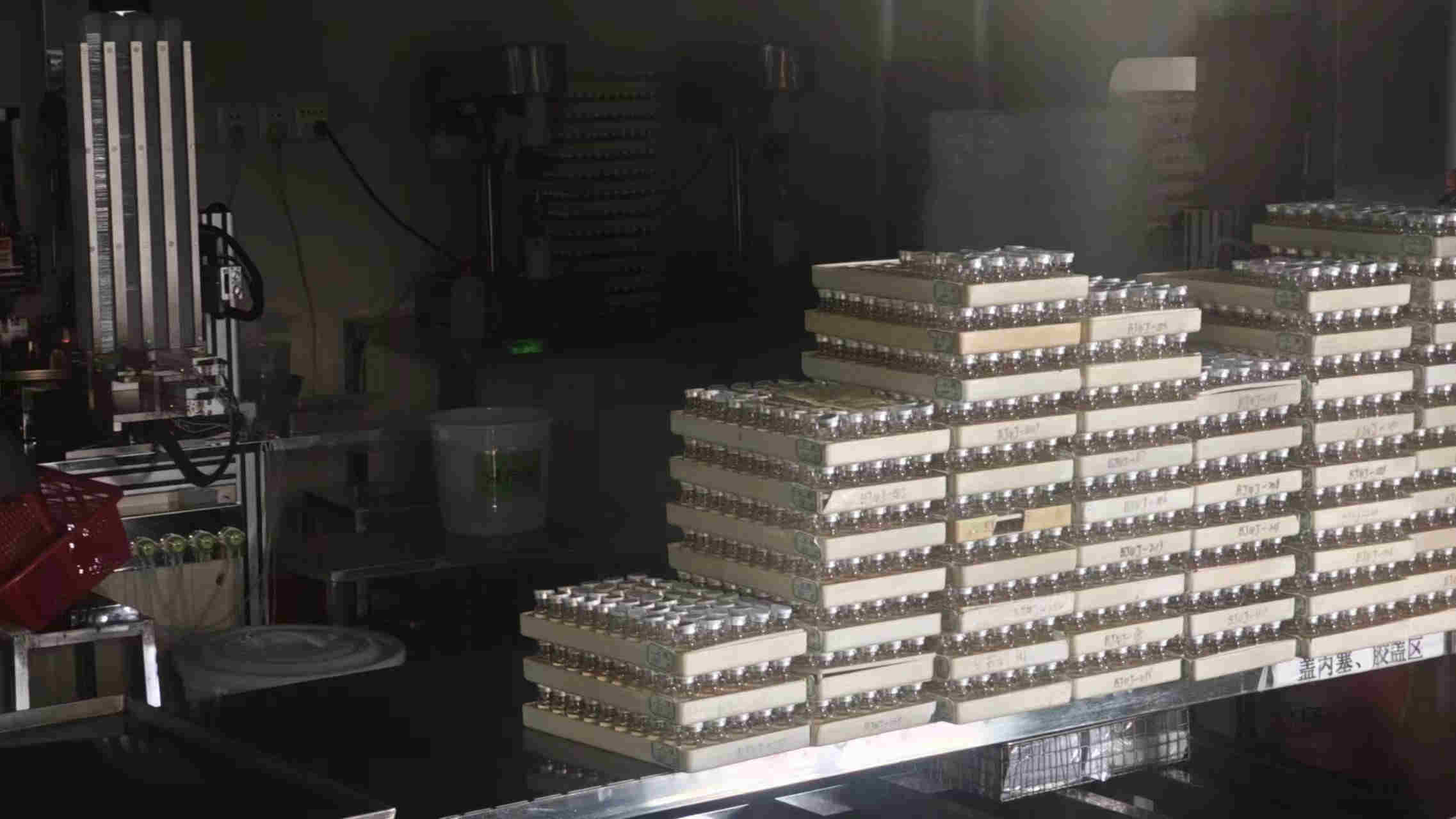
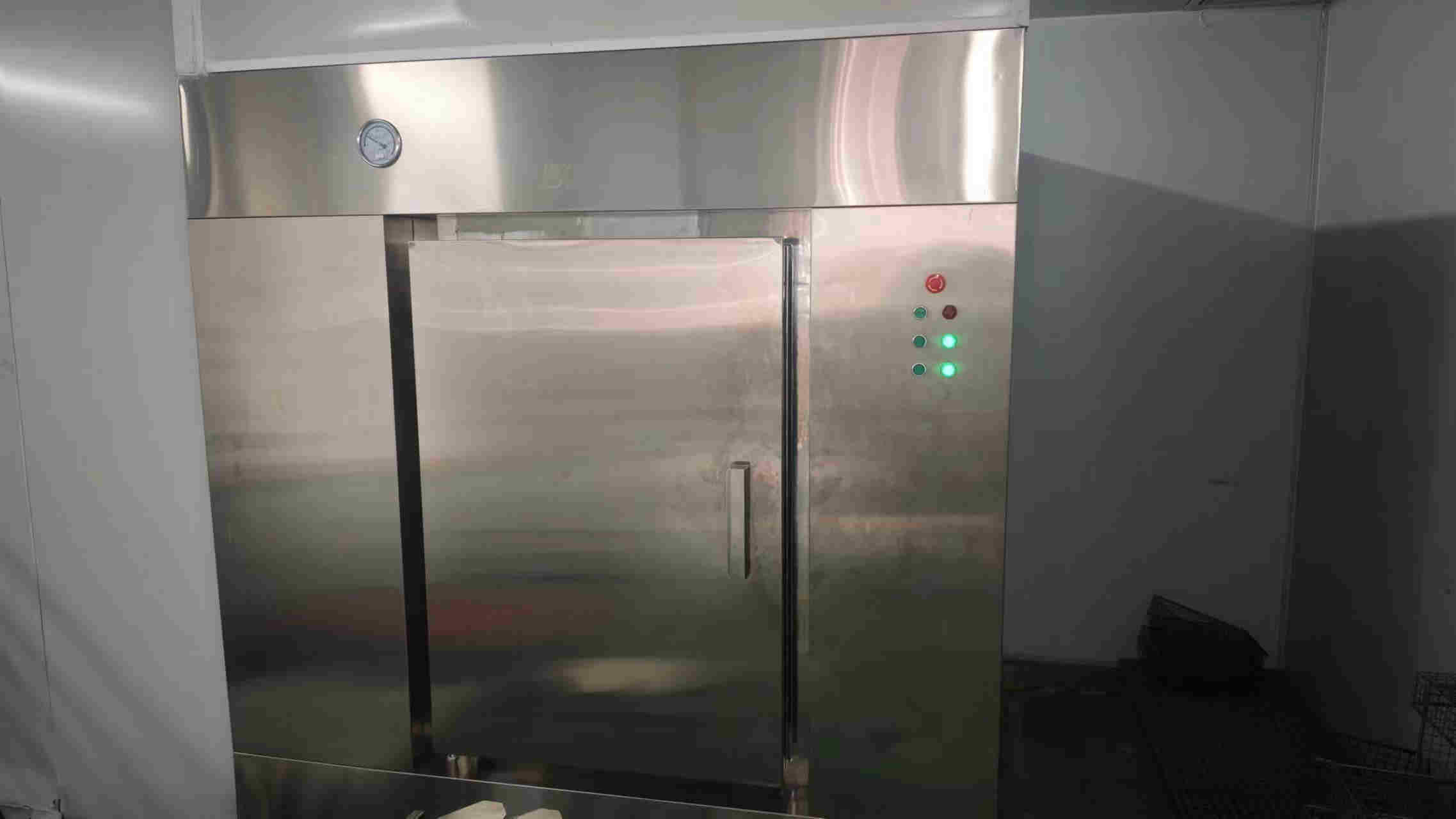
4. Inside the 13-Step Precision Manufacturing Process
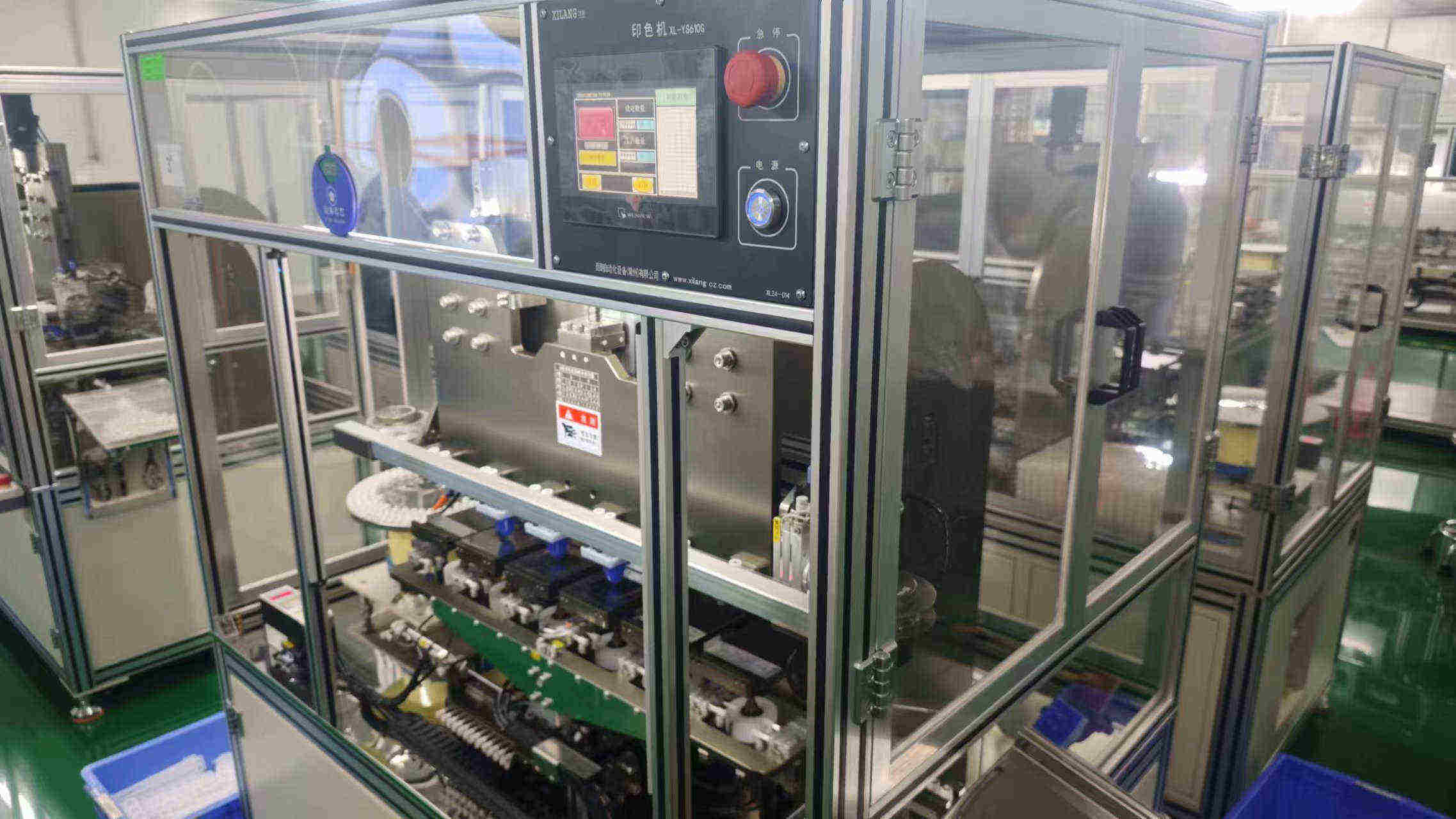
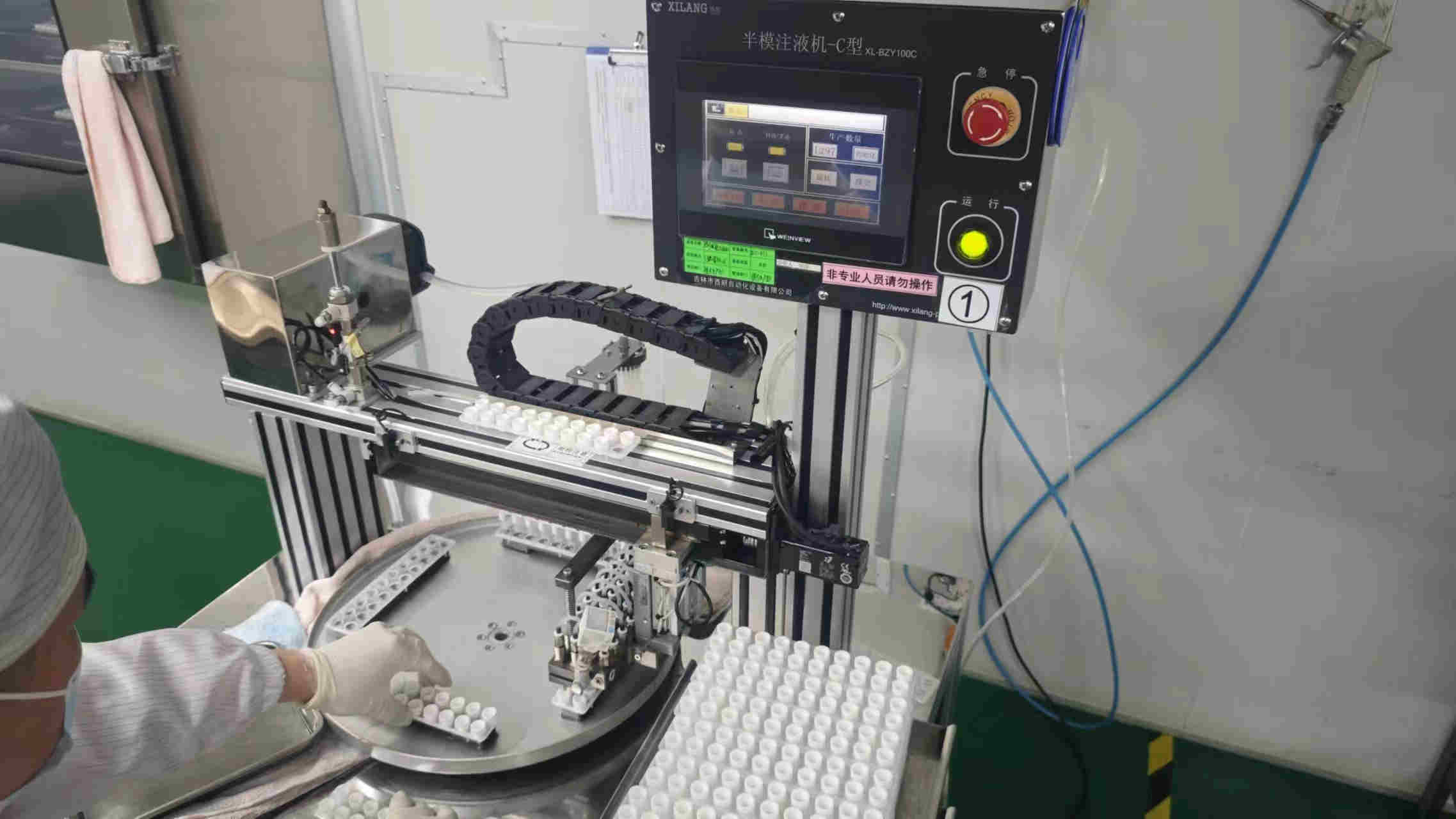
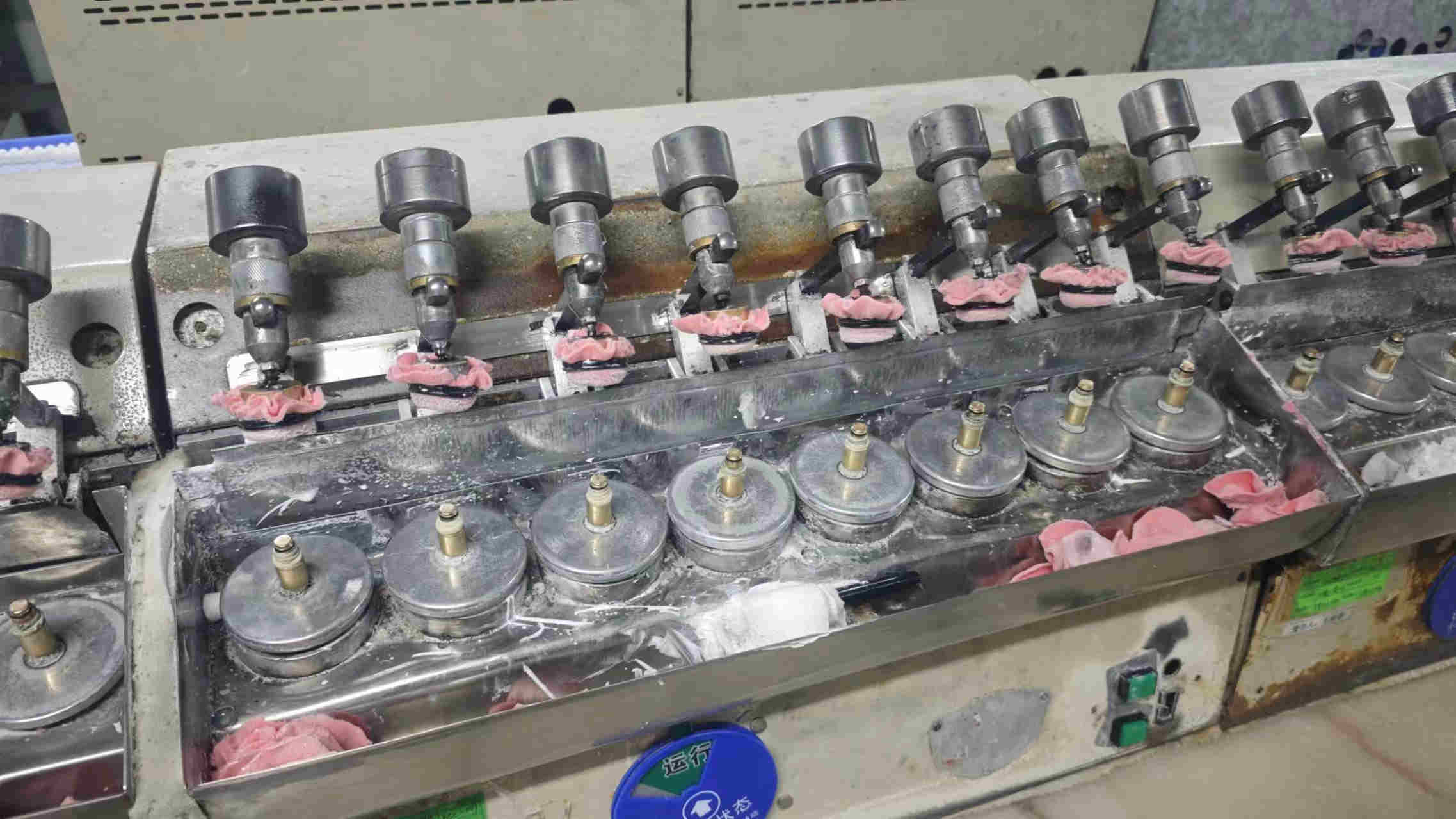
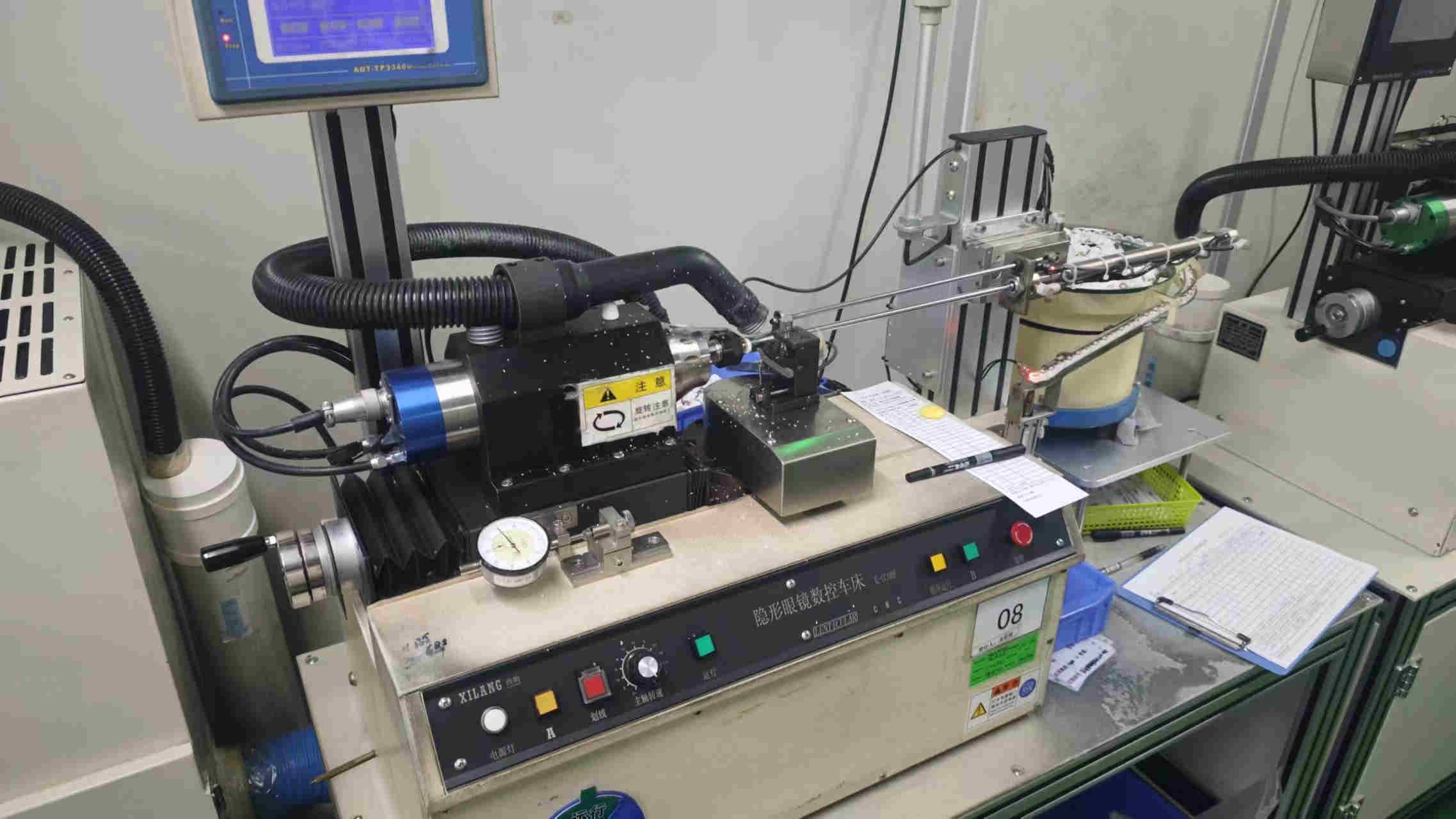
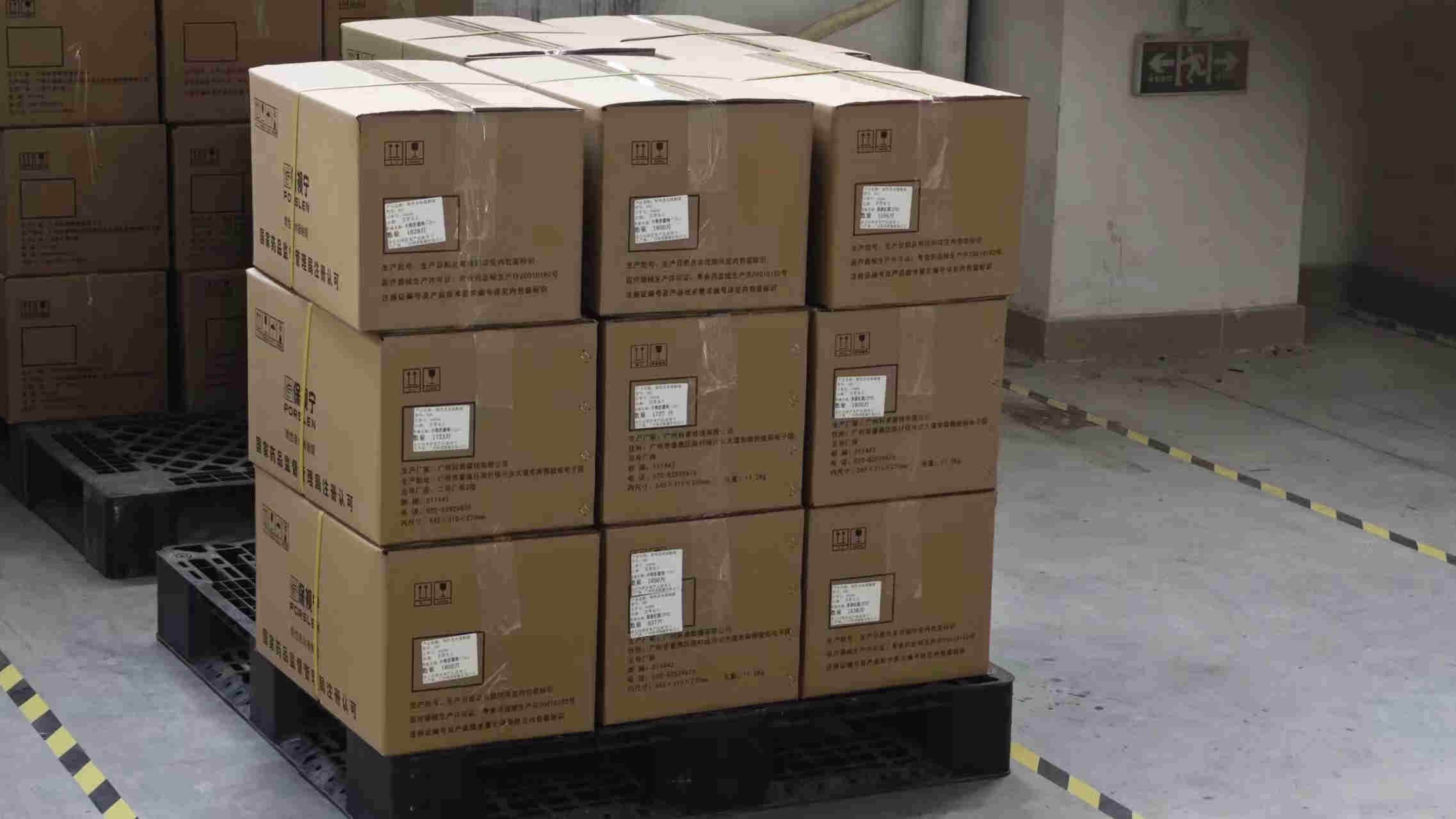
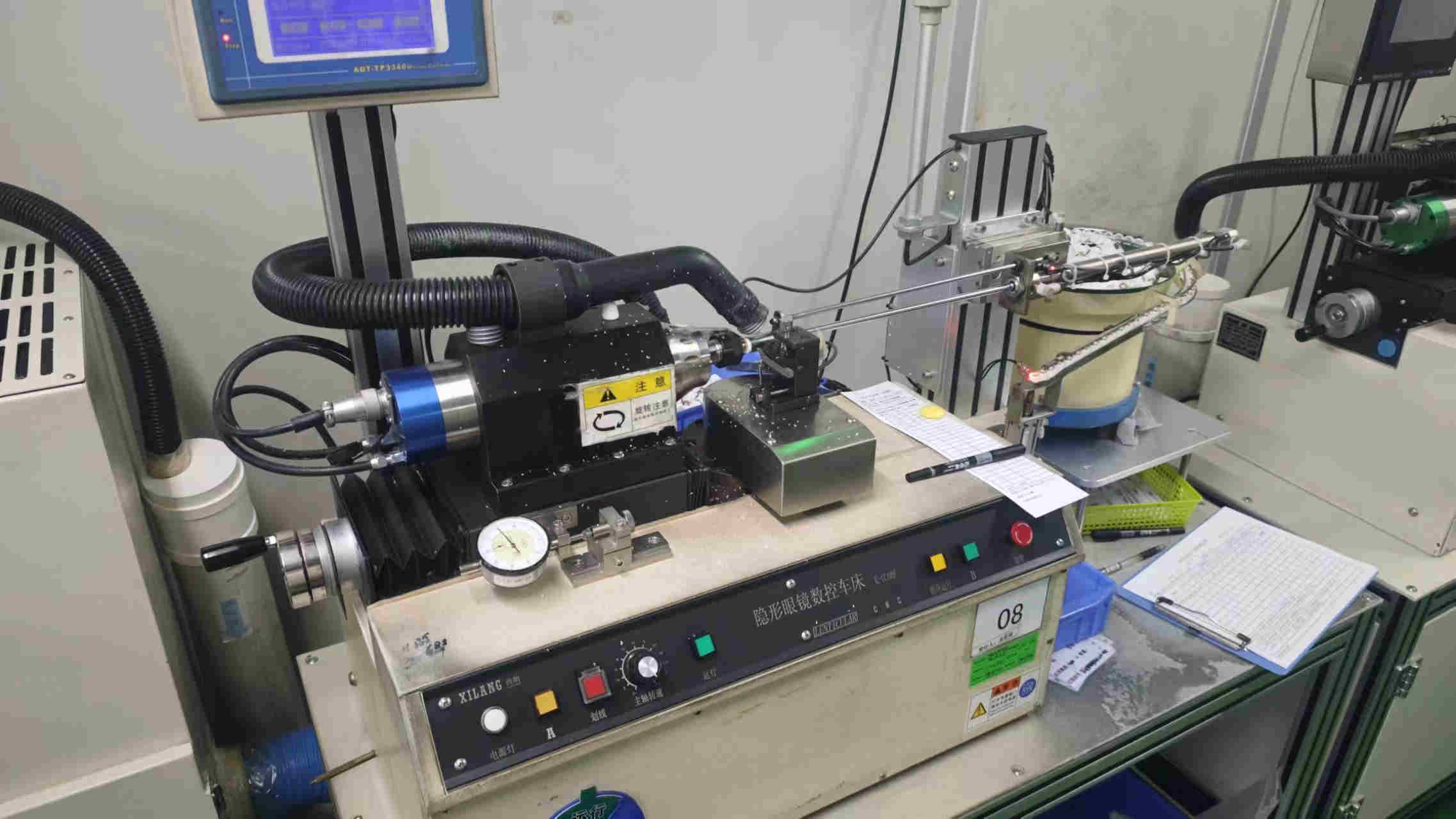
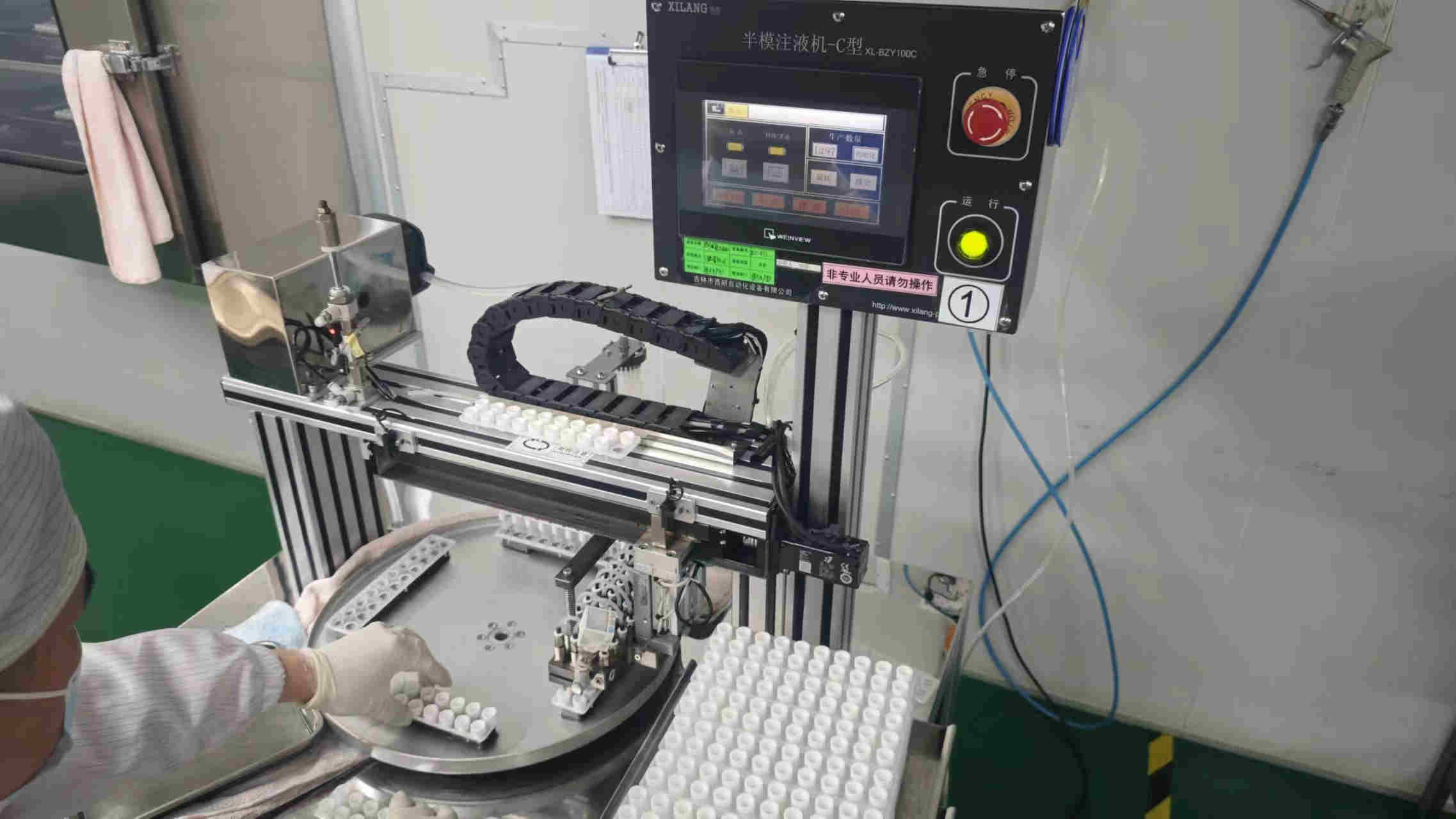
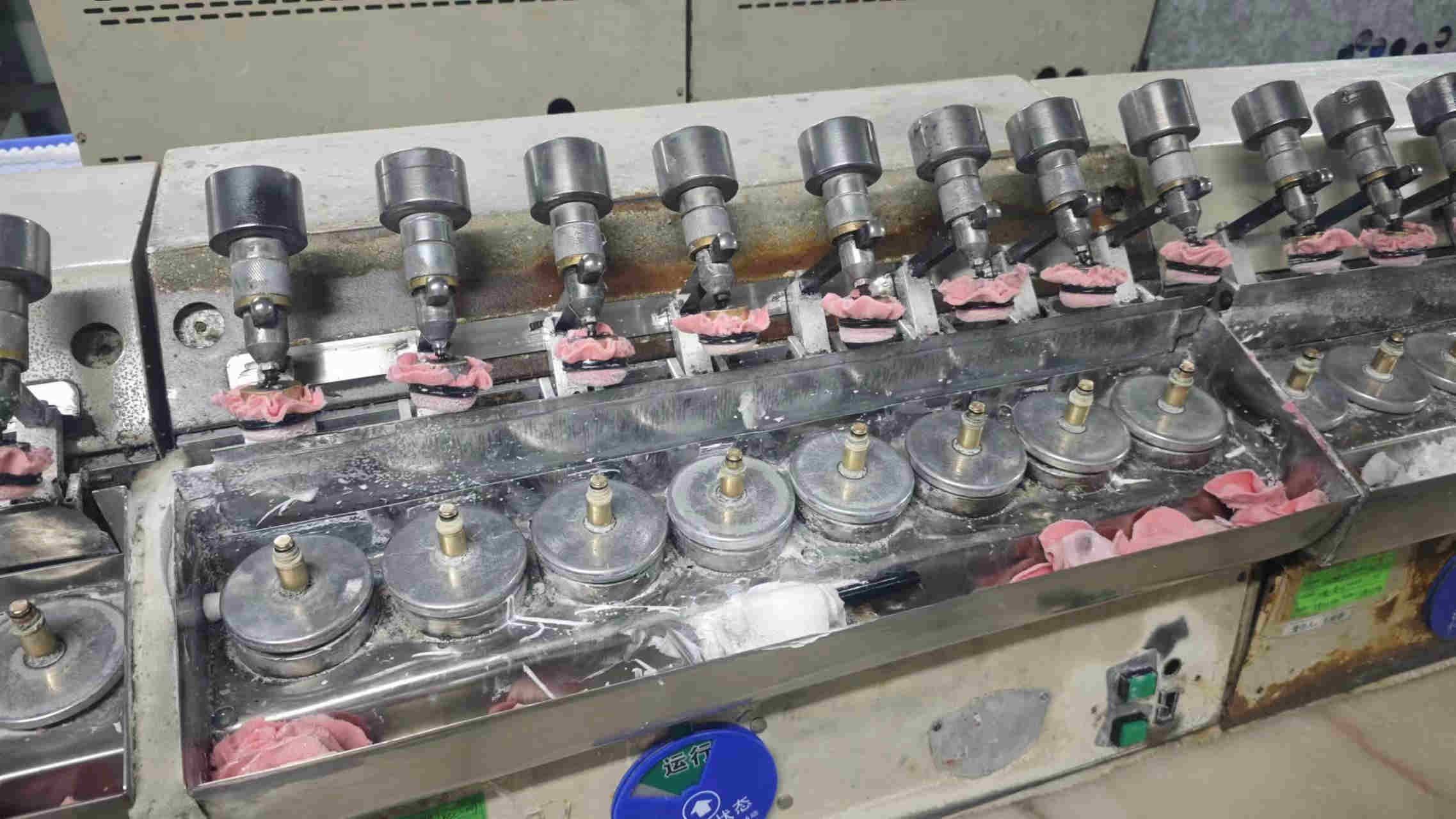
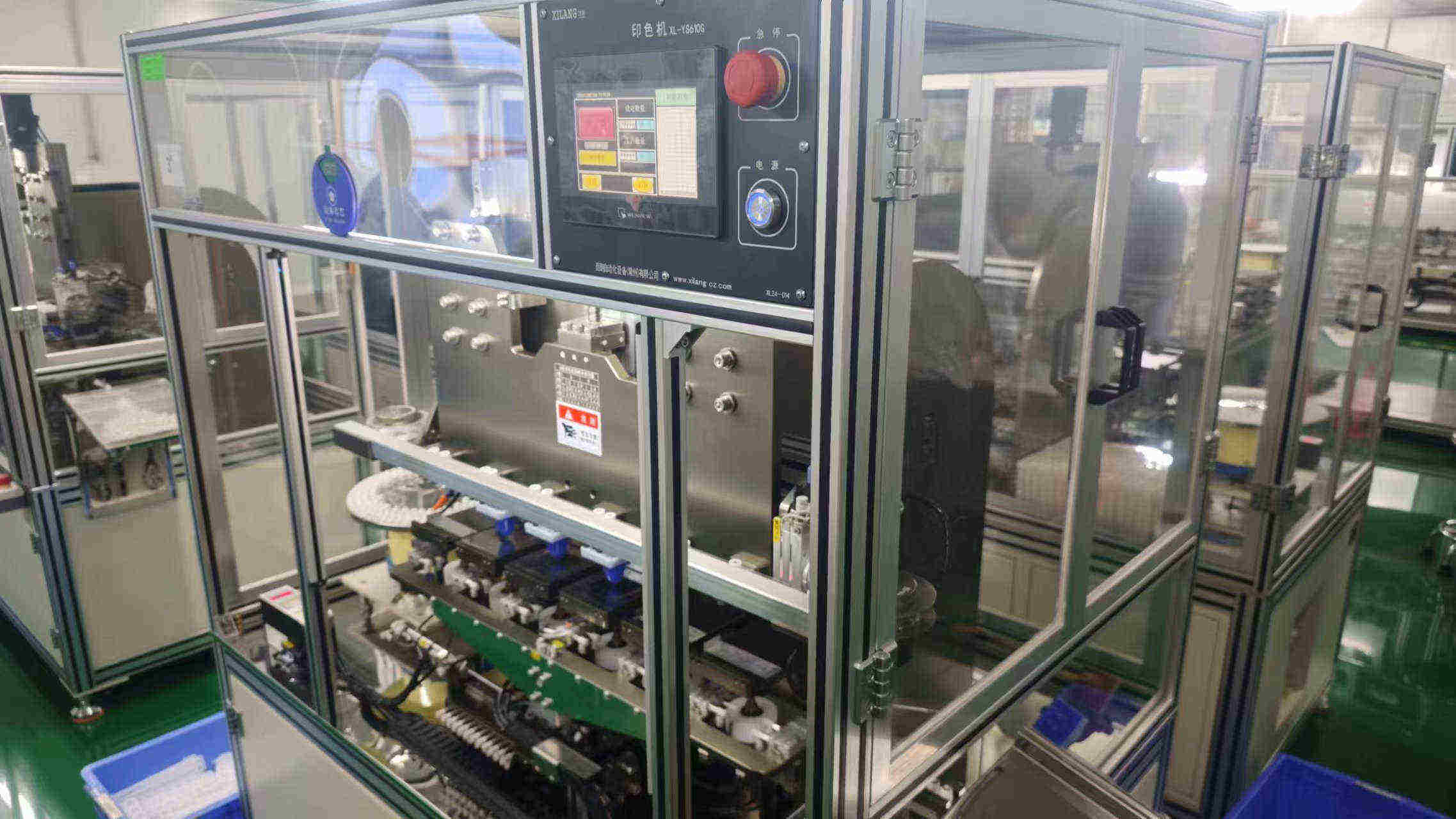
Quality and visual acuity are achieved through strict operational steps. Our state-of-the-art facility utilizes high-end machinery and sterile processes to manufacture exceptional products that mimic the top standard of Air Optix contact lenses. Here is the visual flow of our production floor:
5. Macro Supply Chain Solutions for Global Enterprise Sourcing
International brands purchasing contact lenses look for an integrated supply partner rather than a transactional seller. Modern enterprise sourcing managers navigate complex regulatory pathways and demand flawless manufacturing hygiene. Sourcing contact lenses from a professional manufacturer like us provides comprehensive supply chain solutions:
- Regulatory Pathway Optimization: Sourcing contacts requires adherence to regional healthcare standards. We provide complete documentation support, including CE Certificate (MDR compliant), FDA 510(k) preparation data, ISO 13485 Quality Management System logs, and free sale certificates (FSC) to simplify custom clearance.
- Strict Sterilization Protocols: Contaminated lenses present significant legal and health risks. Our production floor enforces a ISO Class 7 cleanroom environment. Autoclave sterilization runs at 121°C for 20 minutes under saturated steam pressure to guarantee absolute safety.
- Custom Packaging & Brand Consultation: Our factory provides complete OEM support. We help print bespoke structural card packaging, design localized inserts, and produce sterilized individual foil blisters matching your design.
6. Global Market Application & Localized Product Strategies
Consumer preferences for contact lenses vary widely by region. To achieve commercial success, brands must customize their product offerings based on regional demand metrics:
Middle East & Northern Africa (MENA)
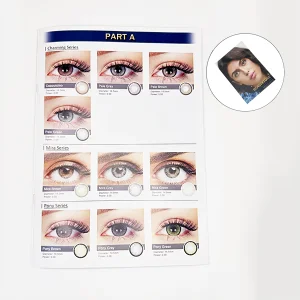
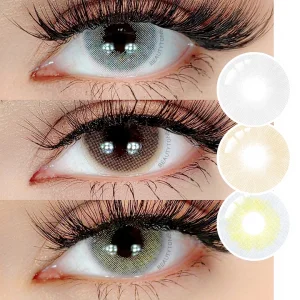
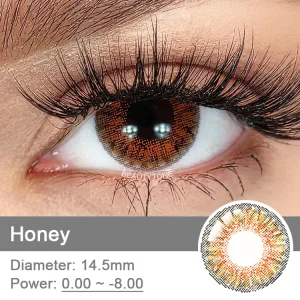
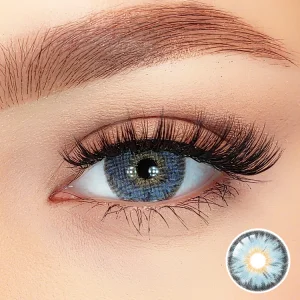
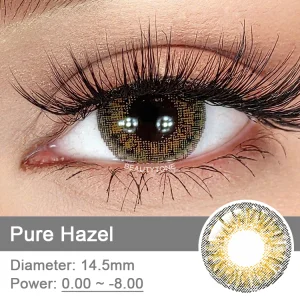
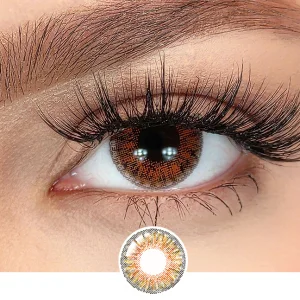
The demand for cosmetic and high-contrast colored lenses is exceptionally high in these markets. Brands focus on dense pigments, three-tone hazel, luxury blue, and natural honey tones. These lenses must have thick moisture matrices to withstand dry, desert climates without causing dry eye syndrome.
North America & Western Europe
In these mature markets, medical-grade prescription accuracy is the primary driver. Consumers search for clear silicone hydrogel lenses with high Dk/t values, daily disposable schedules, and subtle, natural enhancement color patterns. Complete regulatory backing (FDA / CE) is mandatory.
Asia-Pacific (APAC)
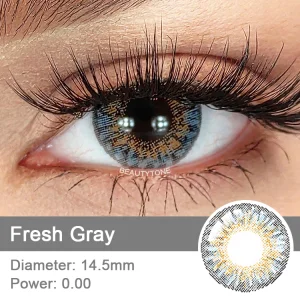
Driven by pop-culture and cosmetics trends, APAC has a high demand for circle lenses (enlarging pupil rings), 14.5mm diameter configurations, and creative color gradients. Short-duration wear cycles (daily or monthly disposables) dominate this demographic.
7. Global Contact Lens Industry Development & Future Trends
Looking ahead to 2025 and beyond, several technological trends are shaping the future of contact lenses:
- Smart and Adaptive Optics: Photochromic contact lenses that automatically darken in response to sunlight (similar to transition glasses) are gaining significant market share.
- Blue-Light Filtering Core Matrices: With screen time increasing globally, integrating blue-light filtering compounds directly into the contact lens polymer represents a key opportunity for B2B brands to capture premium pricing.
- Eco-Friendly Manufacturing & Bio-Plastics: Modern buyers prefer green manufacturing. Reducing plastic waste in packing molds and utilizing bio-degradable blister components is a major focus for forward-looking factories.
8. Frequently Asked Questions (FAQ) - Semantic Search Focus
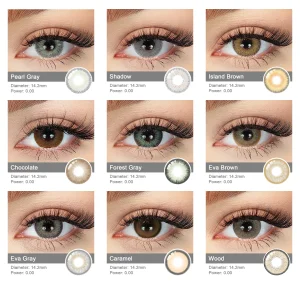
Explore our technical catalogs, specialized custom packaging choices, and aesthetic color variations designed to scale your business.