High-Demand Optical Formulations
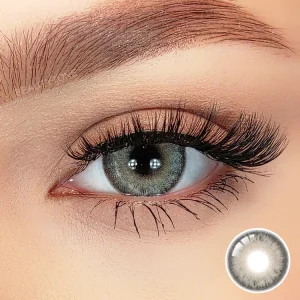
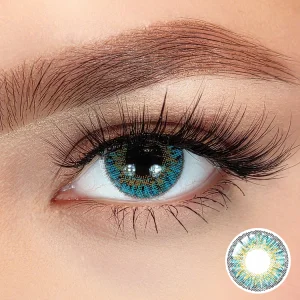
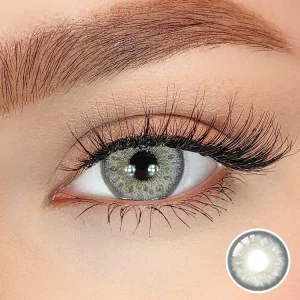
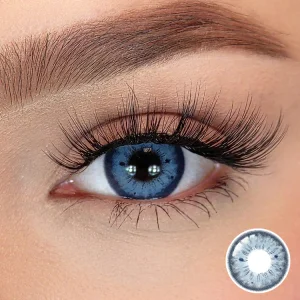
Who We Are | Dongguan Dailylensie Co., Ltd.
At Dongguan Dailylensie Co., Ltd., we bridge the gap between medical-grade manufacturing precision and cutting-edge eye aesthetics. Based in Dongguan, we are a modern contact lens factory specializing in full-service OEM/ODM and private-label solutions for the global market.
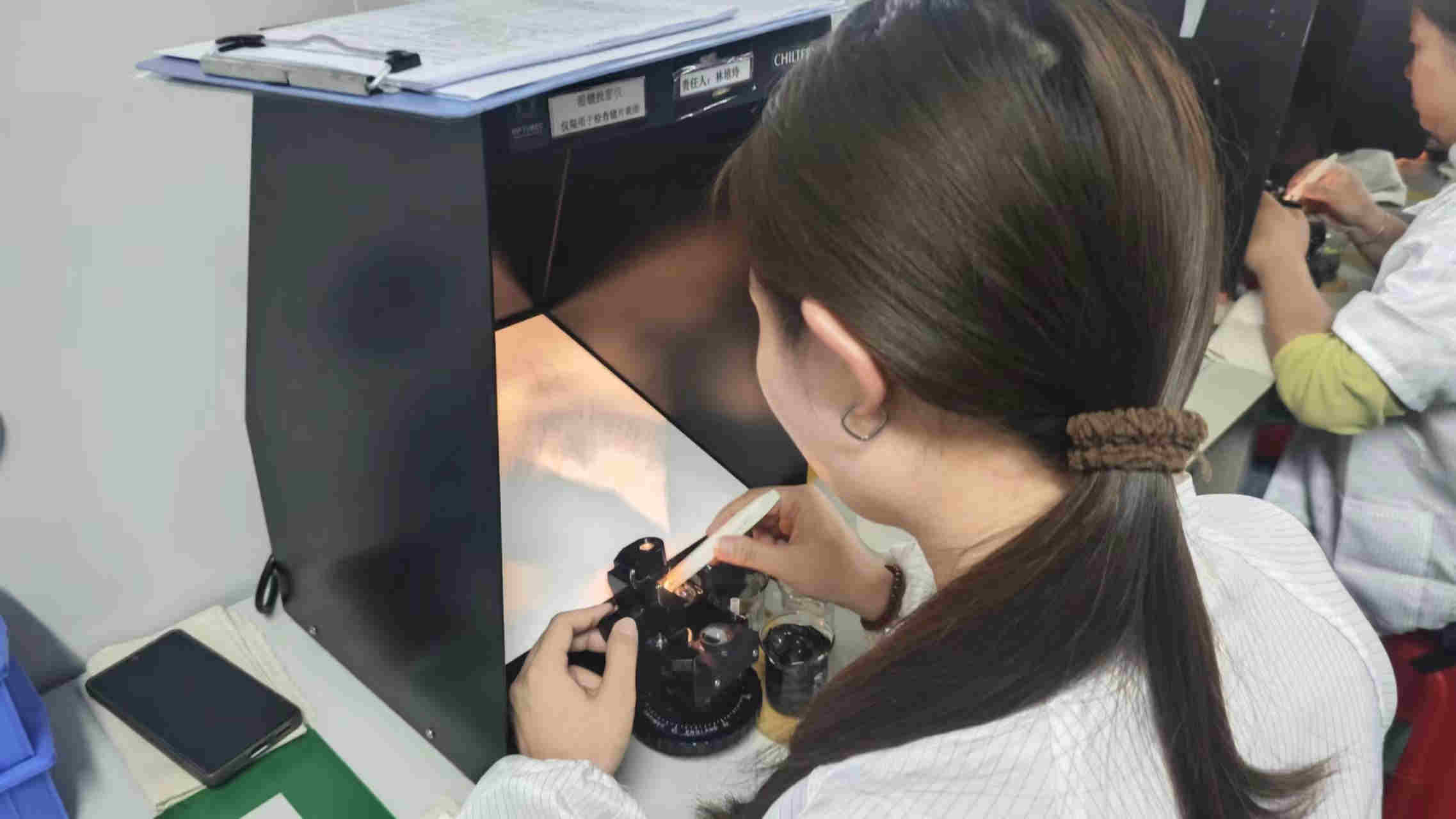
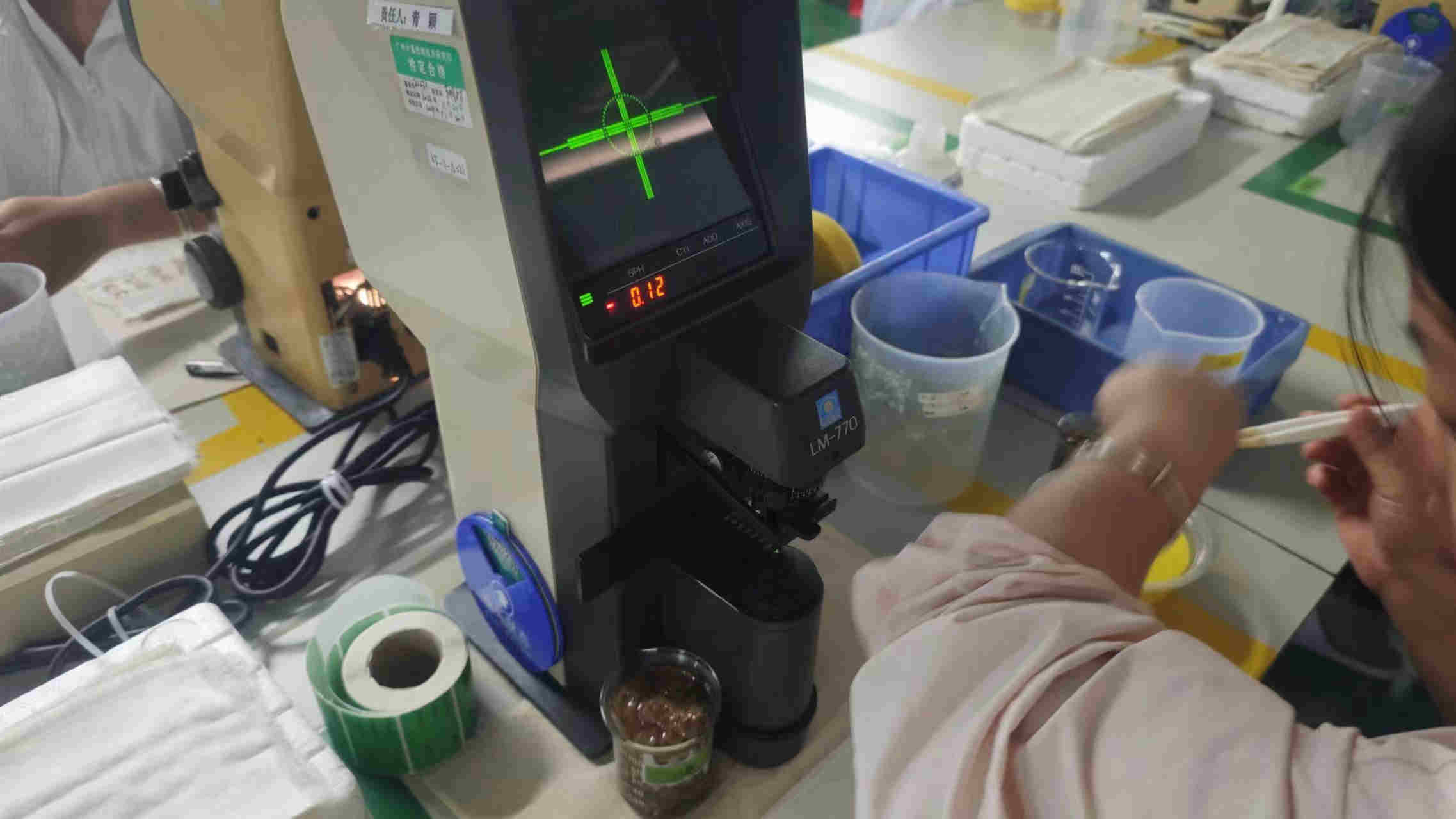
We don't just manufacture lenses; we bring vision to life. Our facility features fully automated production lines and an in-house design lab capable of executing complex, multi-tone color gradients and custom patterns that align with current beauty trends. Safety and comfort remain our bedrock—every lens undergoes rigorous automated cosmetic inspection and hydration testing in our certified cleanrooms.
Whether you are an established optical brand looking for a stable supply chain or a rising beauty influencer launching your first colored lens line, Chic Contacts provides flexible MOQ options, streamlined regulatory support, and reliable global shipping. Partner with us to experience manufacturing transparency and product excellence.
Biocompatible Material Engineering
Employing next-generation hydrophilic polymers that prevent corneal hypoxia while delivering unmatched long-term wearability.
Global Compliance Directives
Aligned with US FDA, CE MDR, and ISO 13485 standards. Clear documentation trails to simplify worldwide custom clearance.
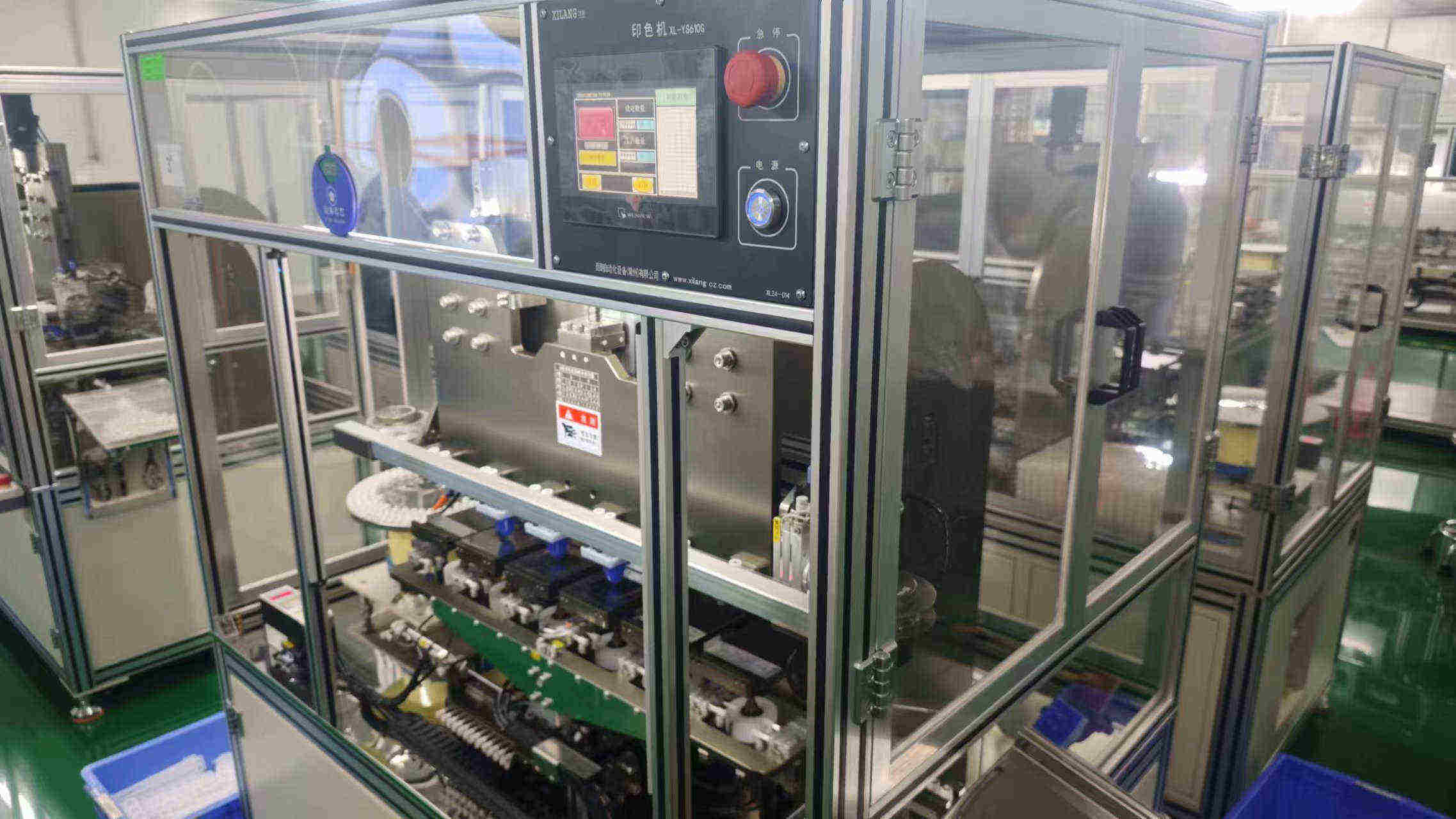
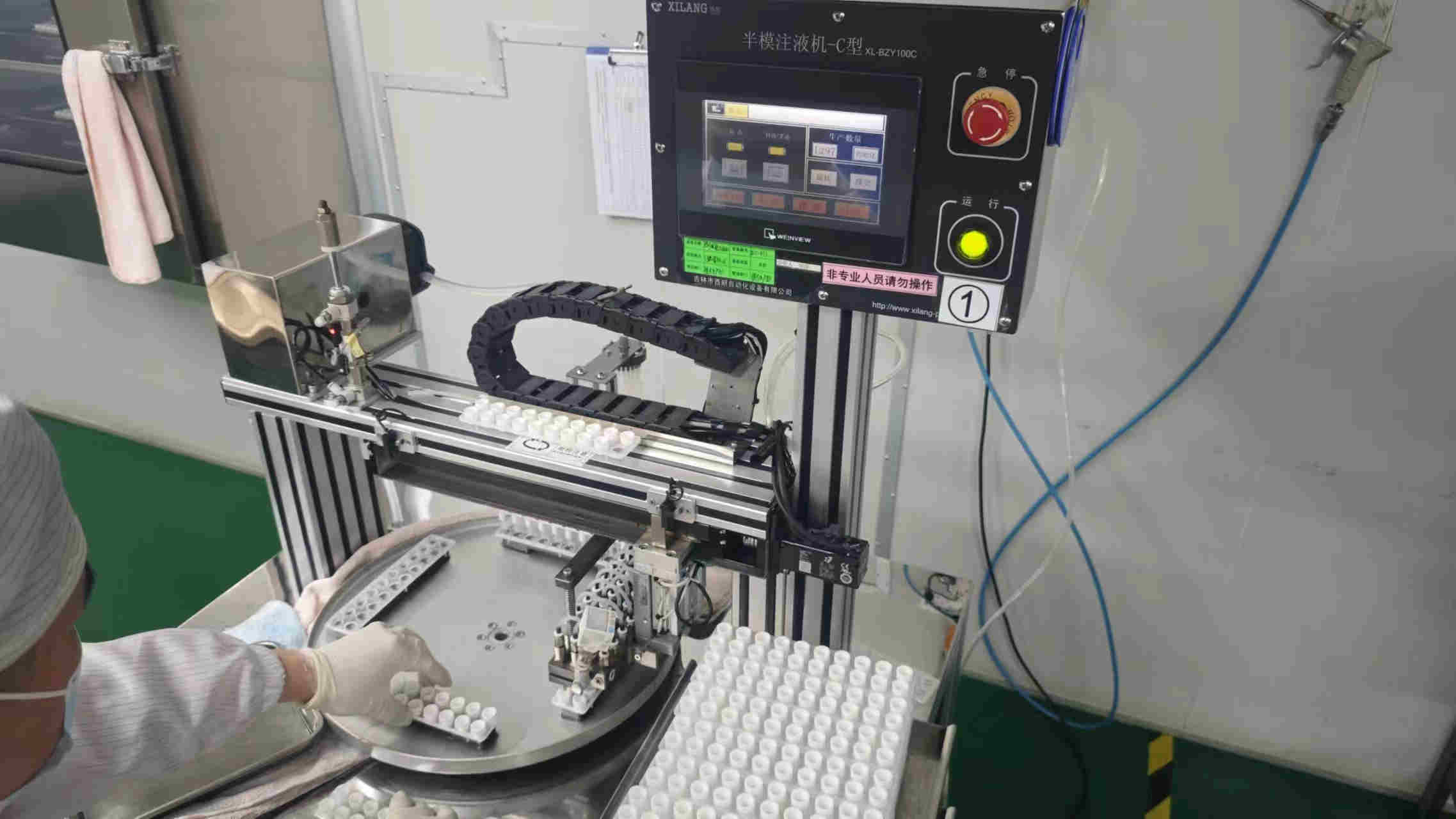
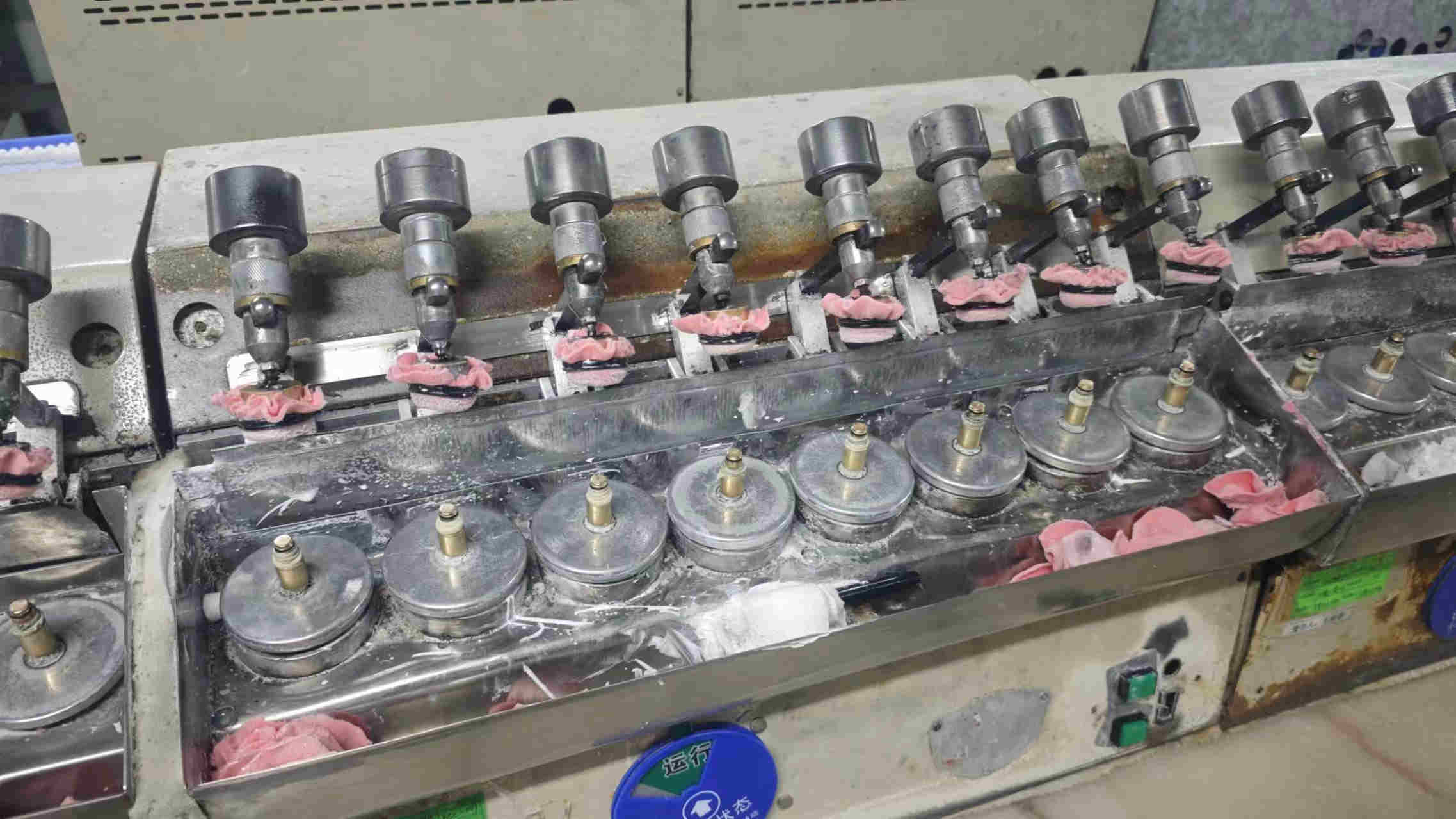
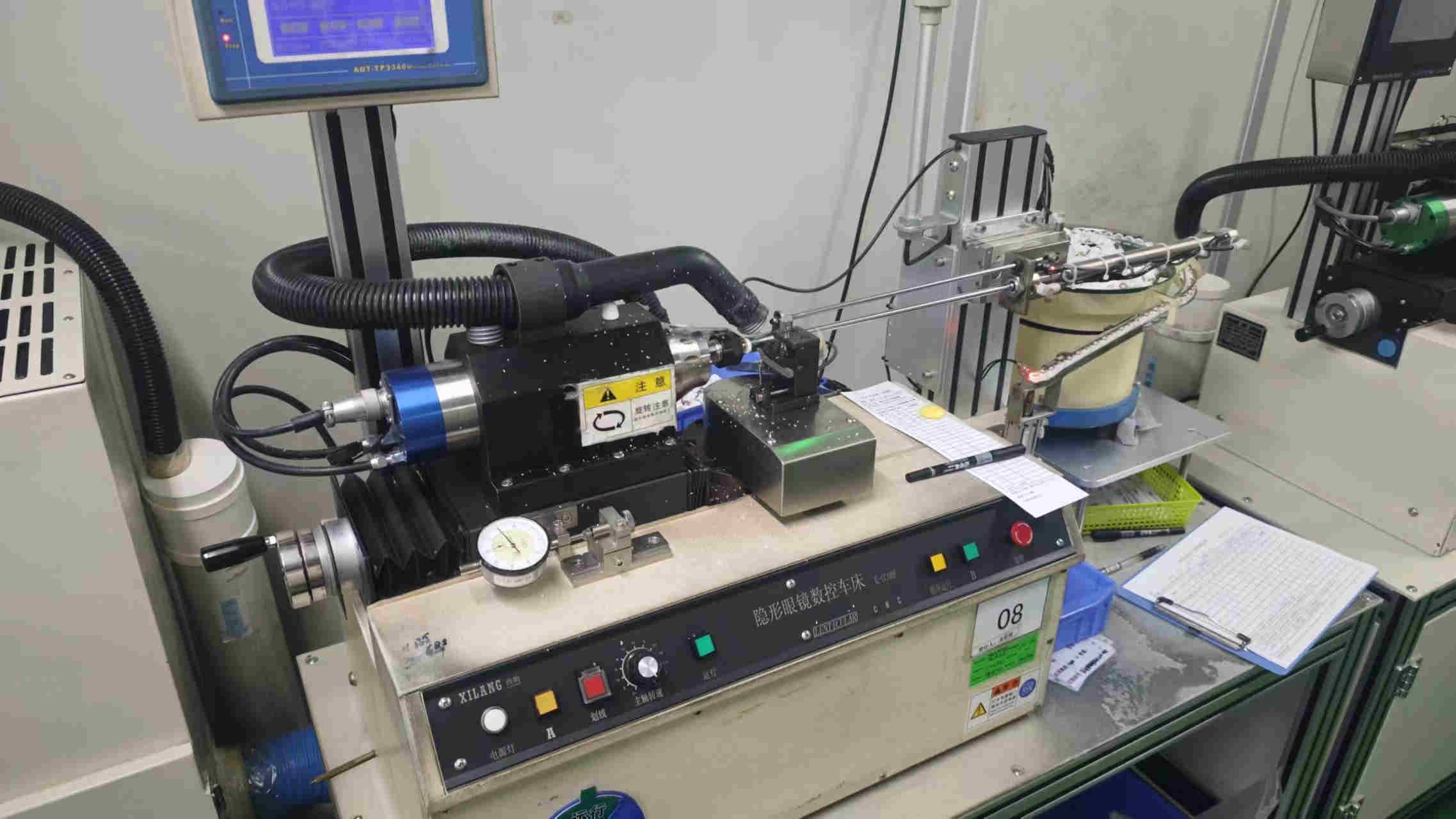
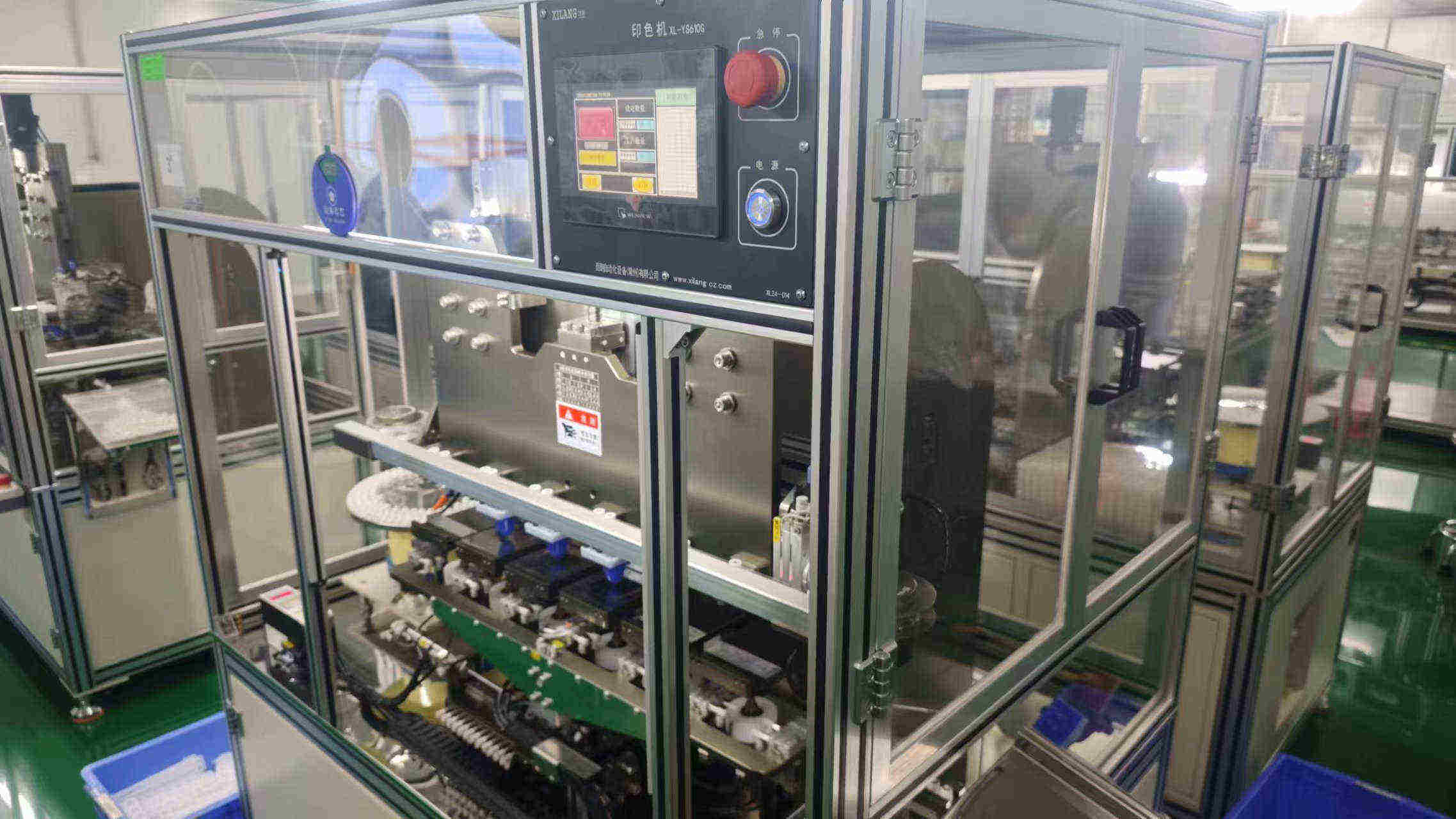
Advanced Semi-Automated Manufacturing Protocol
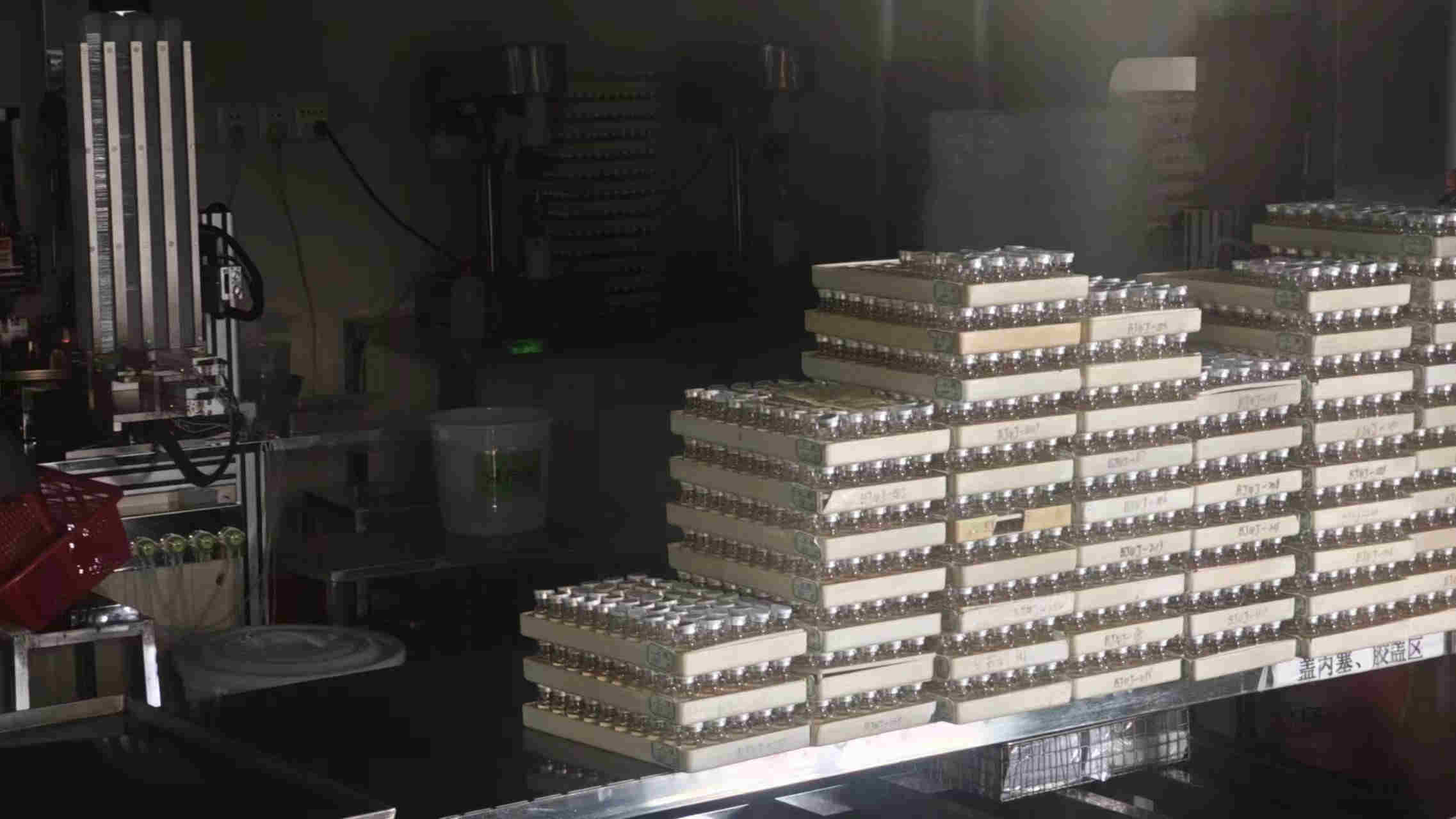
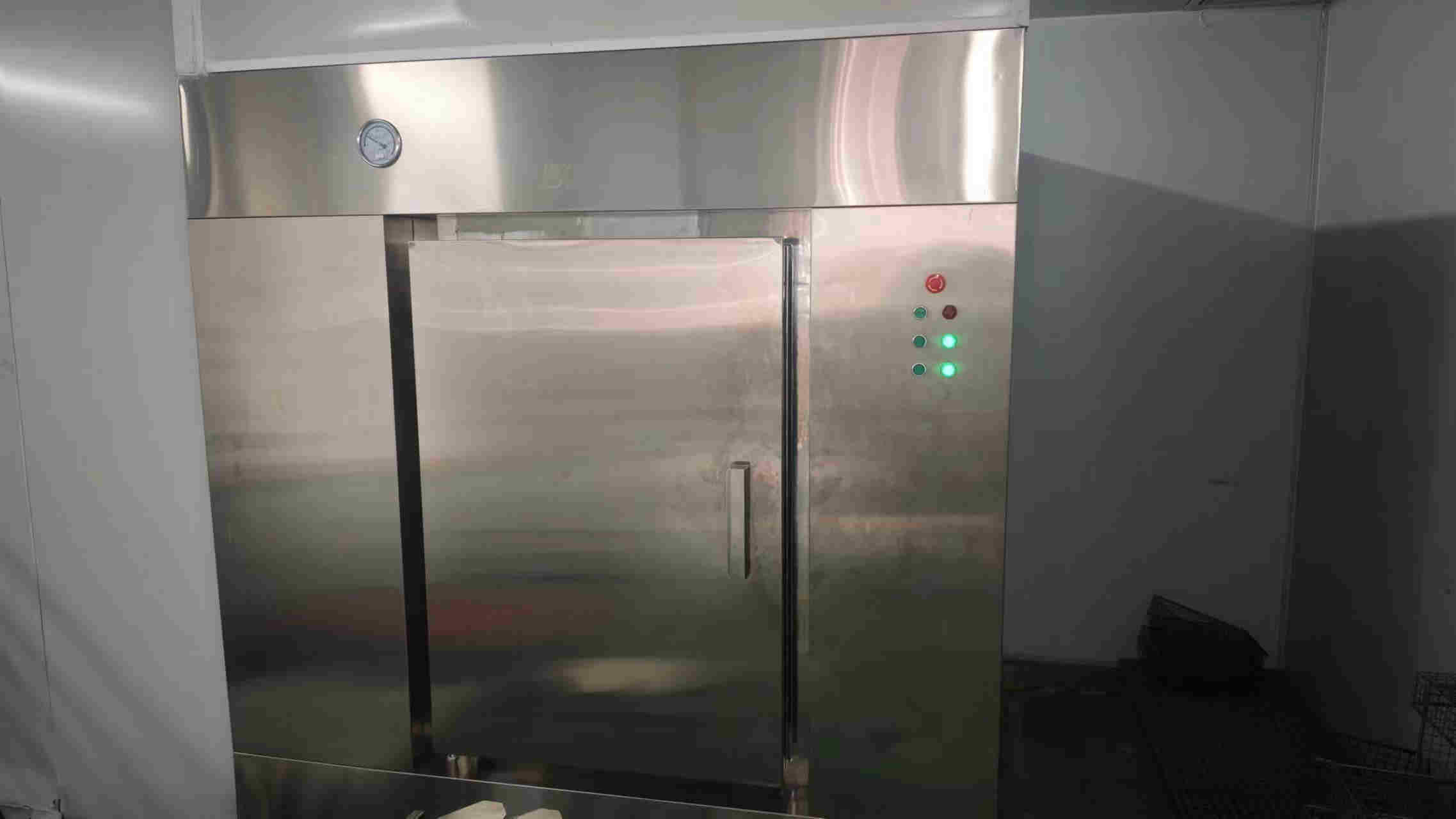
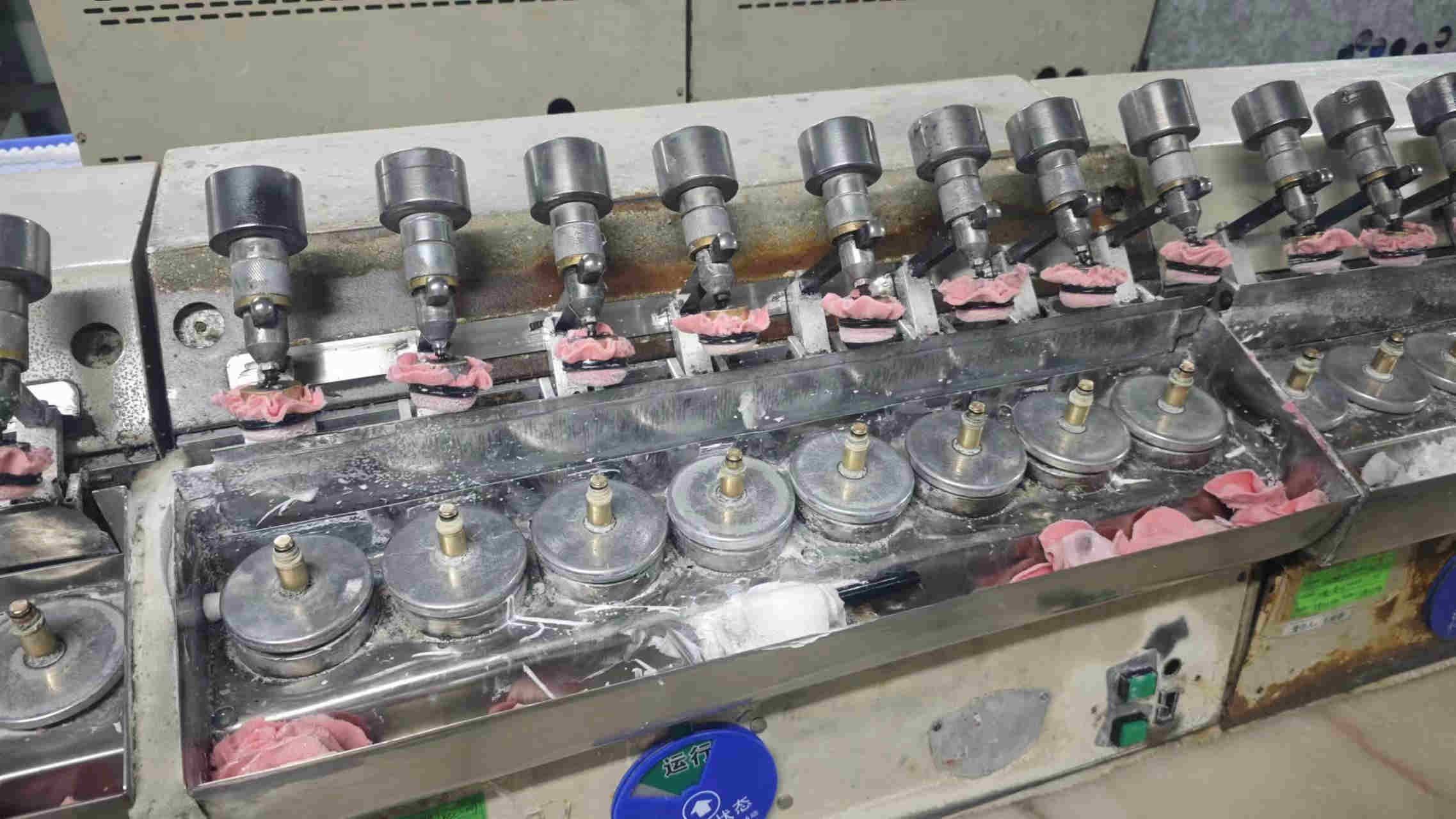
From raw monomer chemistry to final automated inspection, our ISO class cleanrooms operate at peak performance to guarantee high yield, visual clarity, and absolute safety.
Colored Prescription Lenses: The Convergence of Aesthetics and Corrective Optical Engineering
The global eye care market is witnessing an unprecedented convergence. No longer is there a clear boundary between medical vision correction and cosmetic beauty trends. Colored prescription lenses (also known as cosmetic corrective contact lenses) represent one of the fastest-growing categories in modern optometry. This growth is driven by consumer demand in North America, Europe, the Middle East, and Southeast Asia, where users seek to alter iris aesthetics without sacrificing optical visual acuity.
However, importing and distributing these medical products presents significant engineering and regulatory challenges. As a premier exporter from China, Dongguan Dailylensie Co., Ltd. is at the forefront of tackling these complexities. This white paper details the supply chain mechanics, technical innovations, and compliance pathways that global B2B buyers must navigate to succeed in this highly regulated space.
1. Material Science and Ocular Health Protocols
The core of any contact lens is its polymer matrix. When manufacturing prescription colored lenses, the polymer must balance two opposing goals: high pigment encapsulation stability and high oxygen permeability (Dk/t).
- Hydrogel Polymers (HEMA-based): Hydrogel materials remain a staple for daily and monthly disposable lenses due to their cost efficiency and flexibility. We incorporate hydrophilic monomers like NVP (N-Vinylpyrrolidone) to maximize water retention, ensuring the lens remains hydrated throughout a 12-hour wear cycle.
- Silicone Hydrogel (SiHy): For premium prescription lines, silicone hydrogel is the standard. It provides up to five times more oxygen transmissibility than traditional hydrogel, minimizing corneal hypoxia and red-eye syndrome.
- Sandwich Color Technology: A common safety failure in low-grade cosmetic lenses is color leaching. Our factory uses a double-sandwich printing technique where the color pigments are fully encapsulated inside the lens material. This ensures the eye's sensitive tissues never touch the pigments directly.
Clinical Insight: Direct exposure to raw pigment dyes can cause allergic giant papillary conjunctivitis (GPC) and corneal epithelial abrasions. Our multi-layer encapsulation technology guarantees that the structural integrity of the outer hydrogel barrier remains completely smooth and pigment-sealed.
2. Advanced Lathe-Cutting and Liquid Injection Molding
To produce consistent corrective prescriptions, manufacturers rely on two primary production methods:
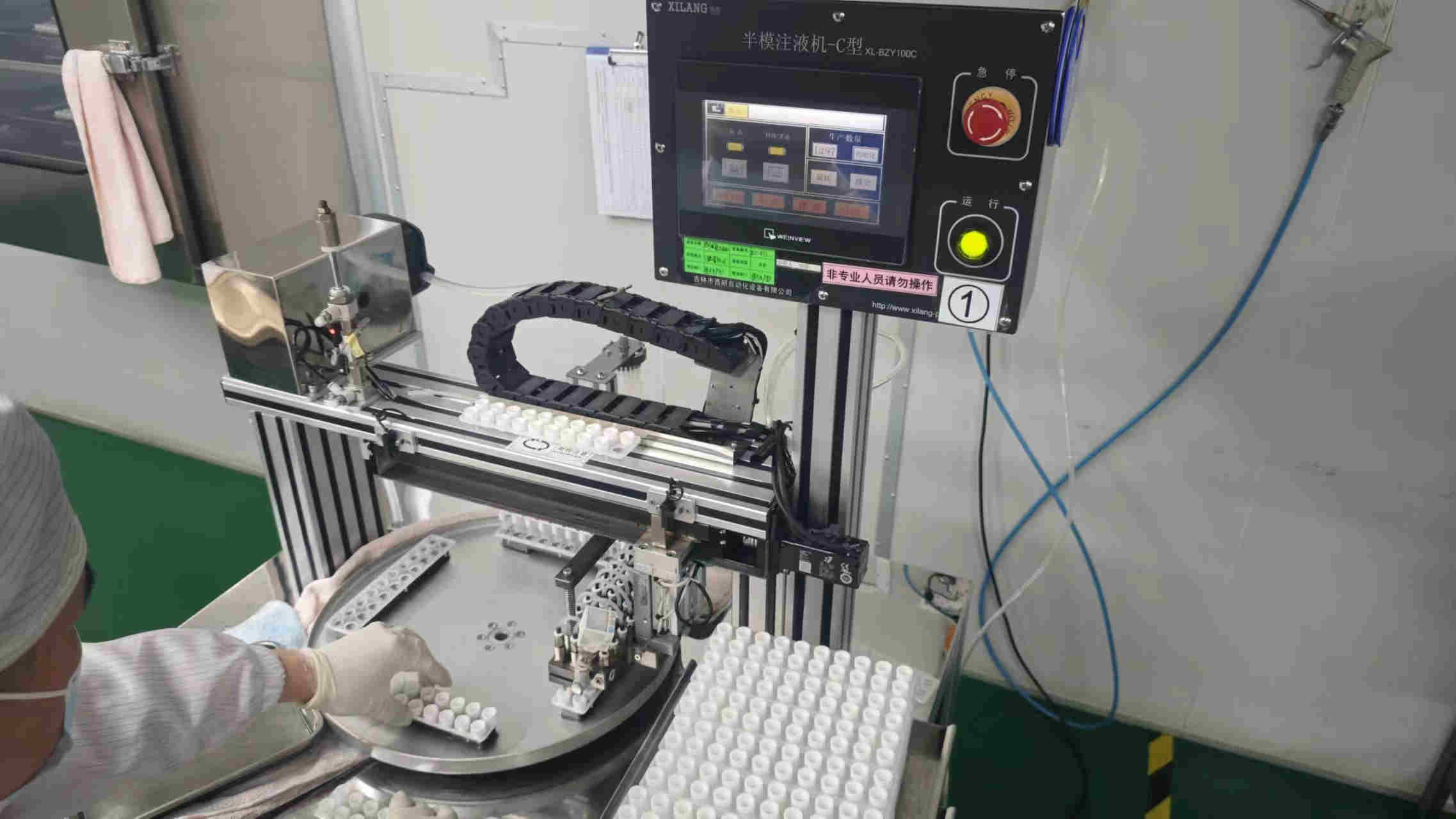
Cast Molding (Liquid Injection): Liquid monomer is injected into precision-cut quartz or metal molds, then cured using UV light or heat. This method is highly scalable, producing thousands of identical lenses per hour with exact parameters, perfect for high-volume B2B orders.
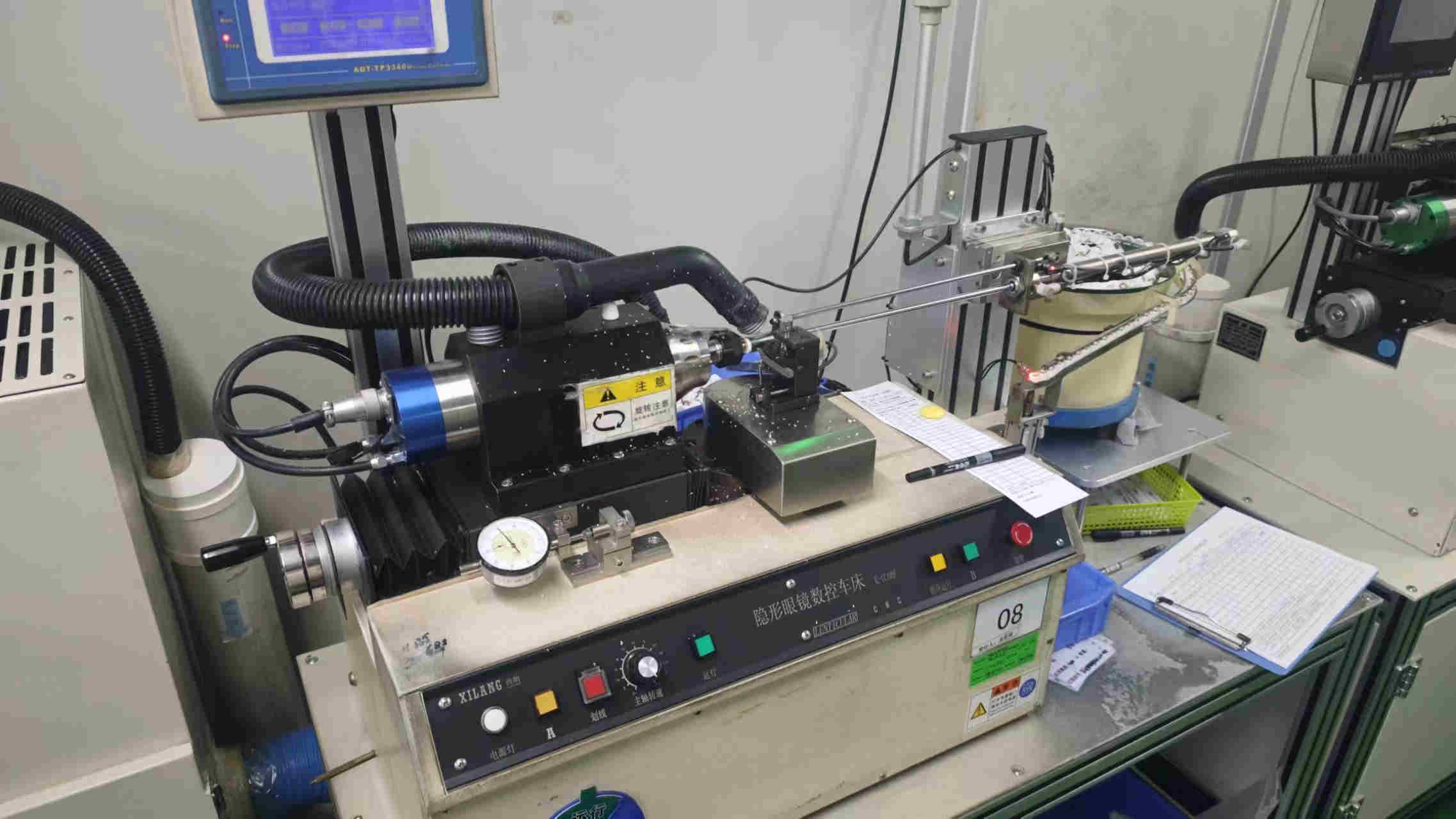
Lathe Cutting: Lens blanks (buttons) are individually cut on computer-guided (CNC) lathe machines. This technique is reserved for specialized custom prescriptions, such as high astigmatism (toric) or multifocal designs, where customization takes priority over high-volume output.
3. Why Sourcing from Dongguan, China Offers Strategic Value
Dongguan is a premier high-precision manufacturing hub, offering distinct logistical advantages for global optical buyers:
- Integrated Raw Materials: We source optical-grade monomers, packaging foils, and sterile saline within a 50-mile radius, keeping production costs low.
- Advanced Mold Tooling: Local industrial toolmakers allow us to rapidly prototype new designs, going from a concept drawing to a physical test mold in just 14 days.
- Seamless Logistics: Located close to key shipping hubs in Shenzhen, Guangzhou, and Hong Kong, we offer efficient air freight and ocean logistics to any major port worldwide.
Customized Formulations for Global Markets
How we tailor colors, sizes, and prescription powers to meet the preferences and regulations of different regions.
North America & Europe
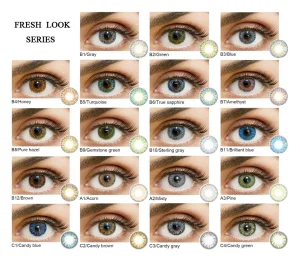
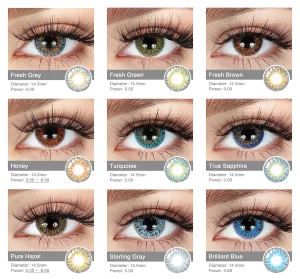
Focuses on natural looks with 1-tone and 2-tone patterns (e.g., hazel, graphite, sapphire). Lenses must meet strict US FDA 510(k) clearances and European CE MDR standards, with clear labels showing prescription power and base curve values.
East & Southeast Asia
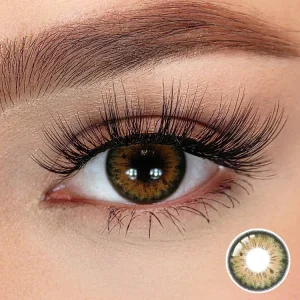
Demands limbal ring enhancement (making eyes look larger) with diameters from 14.2mm to 14.5mm. Popular styles include soft brown and hazel blends. Rapid registration support is essential for local health agencies like China's NMPA or Korea's MFDS.
Middle East & North Africa
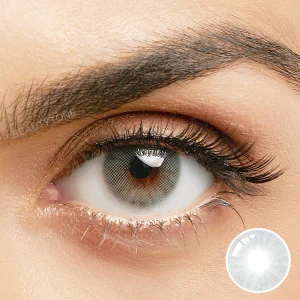
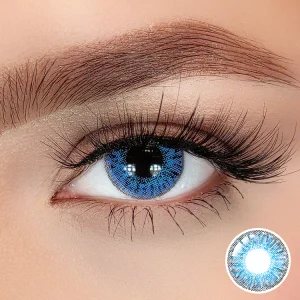
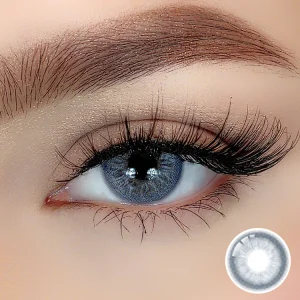
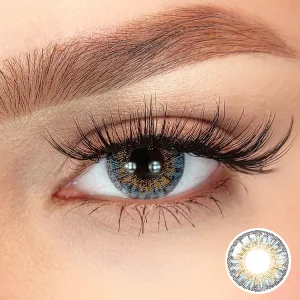
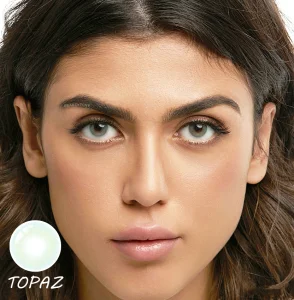
Prefers striking, high-opacity colors like vivid blues, emerald greens, and bright greys that fully cover dark irises. High-quality daily disposable options and yearly lenses are popular, requiring stable performance in dry, warm climates.
Compliance Frameworks & Global Customs Clearance
Because contact lenses touch the eye, international regulatory bodies classify them as Class II or Class III medical devices. Importers must work with manufacturers who hold the proper certifications to avoid customs seizures, fines, or legal issues.
Key Certifications Needed:
- ISO 13485: The global standard for quality management in medical devices. It guarantees that every batch is manufactured consistently and is fully traceable.
- US FDA 510(k): Necessary for selling in the United States. It proves the lens is safe and performs as well as legally marketed predicate devices.
- CE Mark (MDR 2017/745): Essential for European Union distribution, requiring clinical evaluation and regular auditing by notified bodies.
Critical Quality Control Steps:
- Sterilization Validation: Finished lenses must undergo validated moist-heat sterilization autoclaving at 121°C for at least 15 minutes to eliminate all microbes.
- Physicochemical Testing: Ensures parameters like base curve (BC), total diameter (DIA), refractive index, and water content stay within tight tolerances.
- Biocompatibility Testing: Verifies that lenses are non-toxic, non-irritating, and free from harmful chemicals.
Optimizing B2B Procurement and Private Label Partnerships
For brands looking to launch their own lines, working with an experienced OEM/ODM partner is key. Dongguan Dailylensie Co., Ltd. helps streamline the process from design to delivery:
- Low MOQs: We offer flexible Minimum Order Quantities (MOQs) for trial orders, helping brands test the market without heavy upfront investments.
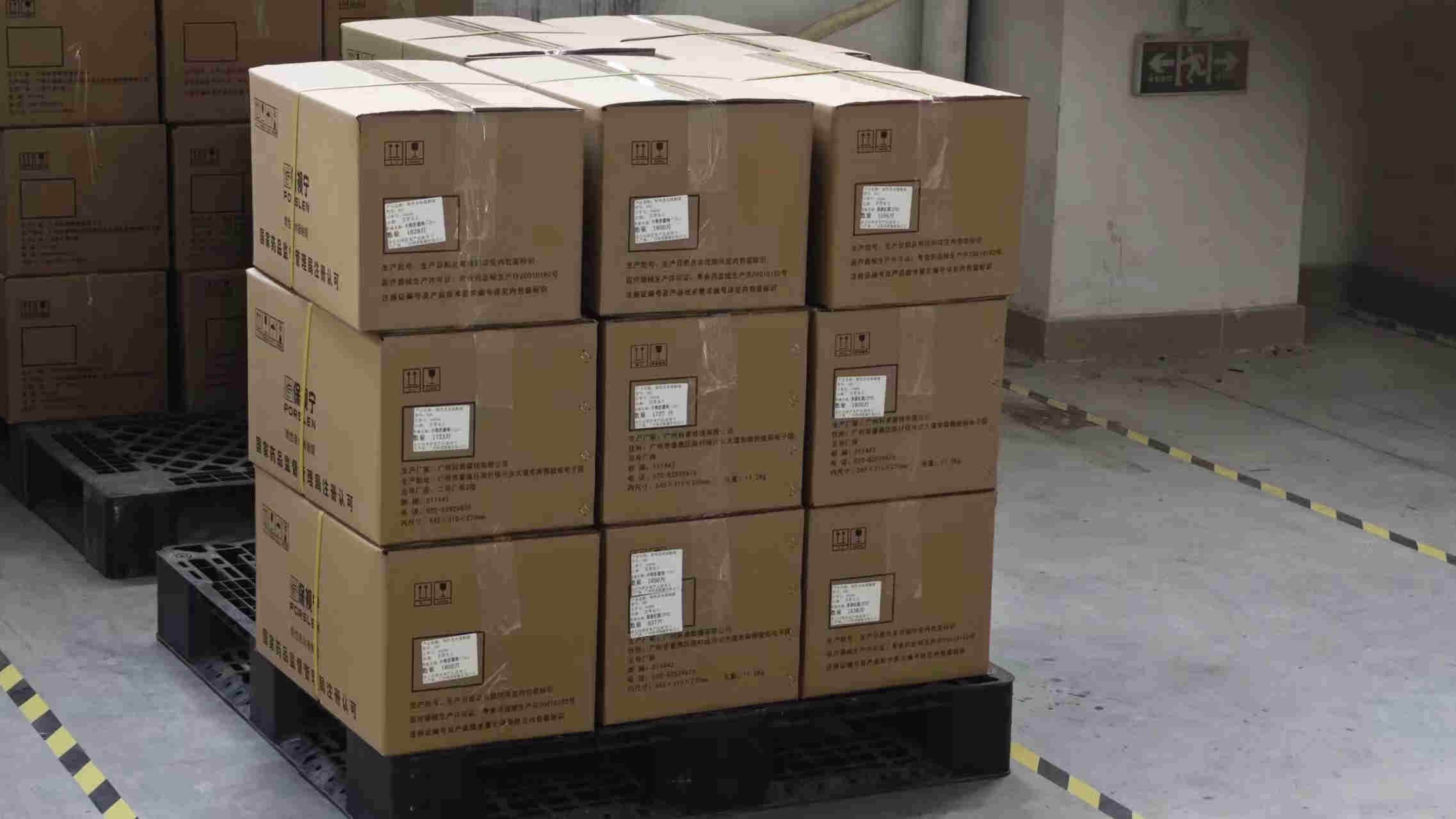
- Custom Packaging: Choose from blister packs, glass vials, or custom boxes that match your brand identity.
- Digital Mockups: Our design team creates high-quality digital mockups of custom color lens patterns, allowing quick visualization before starting mold production.
Frequently Asked Questions & Answers
Answers to common technical, regulatory, and logistics questions about colored prescription lenses.