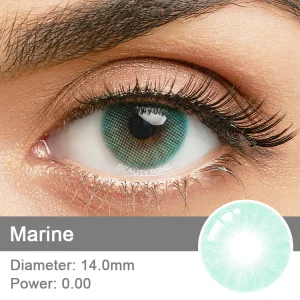
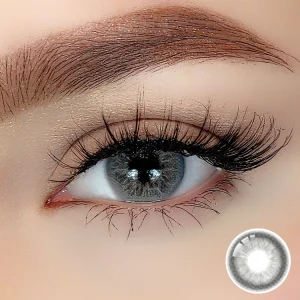
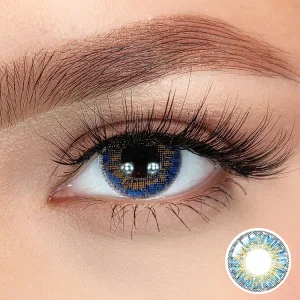
Premium Selection: Featured Aesthetics
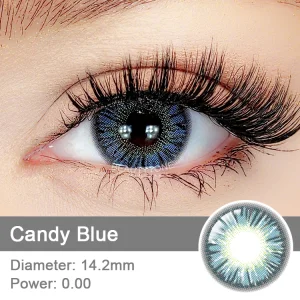
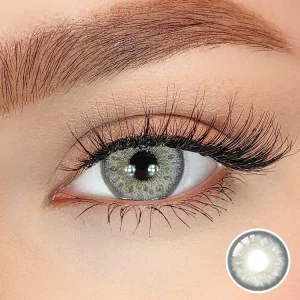
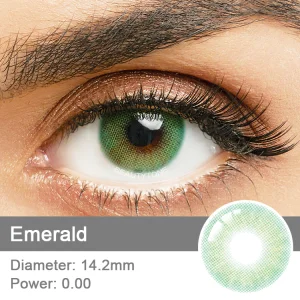
Executive Summary: The Era of Invisible Enhancement
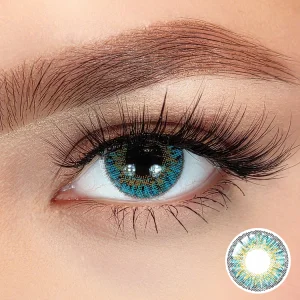
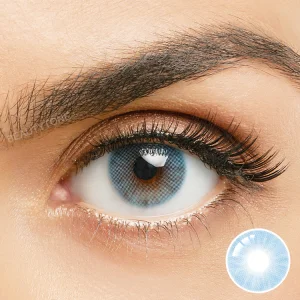
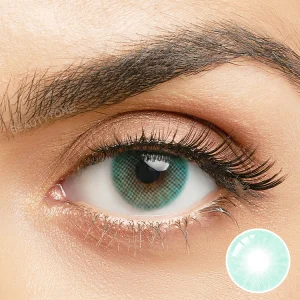
The global contact lens industry is undergoing a seismic paradigm shift. What once served purely as a corrective optical tool or a bold, dramatic fashion accessory has evolved into a sophisticated blend of biomimetic design and ocular health. Today's global consumers are shifting from cartoonish, opaque colored patterns toward highly natural-looking contacts. These products seamlessly blend with the user's natural iris structure, creating a subtle enhancement that is imperceptible even under close-up HD inspection. This shift is driven by deep psychological drivers—specifically, the search for authentic self-expression and the rise of high-definition digital media, where cosmetic interventions are expected to be flawless and invisible.
For brand owners, opticians, and e-commerce enterprises, choosing a manufacturing partner requires an understanding of both design fidelity and medical-grade manufacturing safety. Contact lenses are classified as Class II or Class III medical devices across key regulatory markets, including the US, EU, and Asia-Pacific. Consequently, the ideal partner must bridge the gap between creative cosmetic design and strict compliance with global healthcare regulations. This whitepaper provides a comprehensive evaluation of the factors that define leading manufacturers, analyzing technological innovations, global supply chain dynamics, and regulatory compliance structures.
1. Global Industry Status & Key Market Shifts
Biomimetic Iris Integration
Traditional manufacturing relied on pad printing with solid, opaque colors. The industry standard has now transitioned to 3D multi-tone dot-matrix layering. Leading factories utilize ultra-fine printing technology with dot diameters under 15 microns. This allows for a natural transition between the patient's real pupil color and the lens pattern, simulating natural depth and transparency.
Material Innovations
Ocular health remains the ultimate priority. Traditional Hydrogel (HEMA) lenses remain popular for their high initial comfort and cost-effectiveness. However, Silicone Hydrogel (Si-Hy) is capturing premium market shares due to its superior oxygen transmissibility (Dk/t), allowing the cornea to breathe and preventing long-term complications like corneal neovascularization.
Agile Production Cycles
The beauty industry moves at speed, with colors trending on social media overnight. Sourcing departments no longer tolerate six-month development pipelines. Manufacturers must provide robust private-label catalogs, ready-to-ship bulk inventory, and streamlined rapid prototyping to help brands test market viability before scaling.
2. Global Procurement Dynamics & Sourcing Benchmarks
Procuring cosmetic contact lenses at an enterprise level requires a systematic auditing approach. Because contact lenses sit directly on the cornea, any quality deviation can result in severe legal and reputational consequences for a brand. B2B buyers—ranging from large retail pharmacy chains to direct-to-consumer (DTC) digital brands—use specific quality criteria to evaluate their manufacturing partners:
- Regulatory Framework Compliance: Suppliers must demonstrate compliance with the European Union Medical Device Regulation (MDR 2017/745), hold United States FDA 510(k) clearances, and maintain certified ISO 13485 Quality Management Systems.
- Bio-compatibility and Pigment Containment: Under E-E-A-T principles, a manufacturer's safety procedures must ensure that color pigments are fully encapsulated inside the hydrogel matrix. This prevents direct pigment contact with the corneal endothelium, protecting against irritation and staining.
- Precision Geometry: Edge profiles must feature smooth, rounded geometries (bevel designs) to optimize the exchange of tear film. Rough edges disrupt the ocular surface, causing discomfort and lens rejection.
Smart Manufacturing Metrics
3. China Factory 4.0: Supply Chain Resilience & Cost-Efficiency
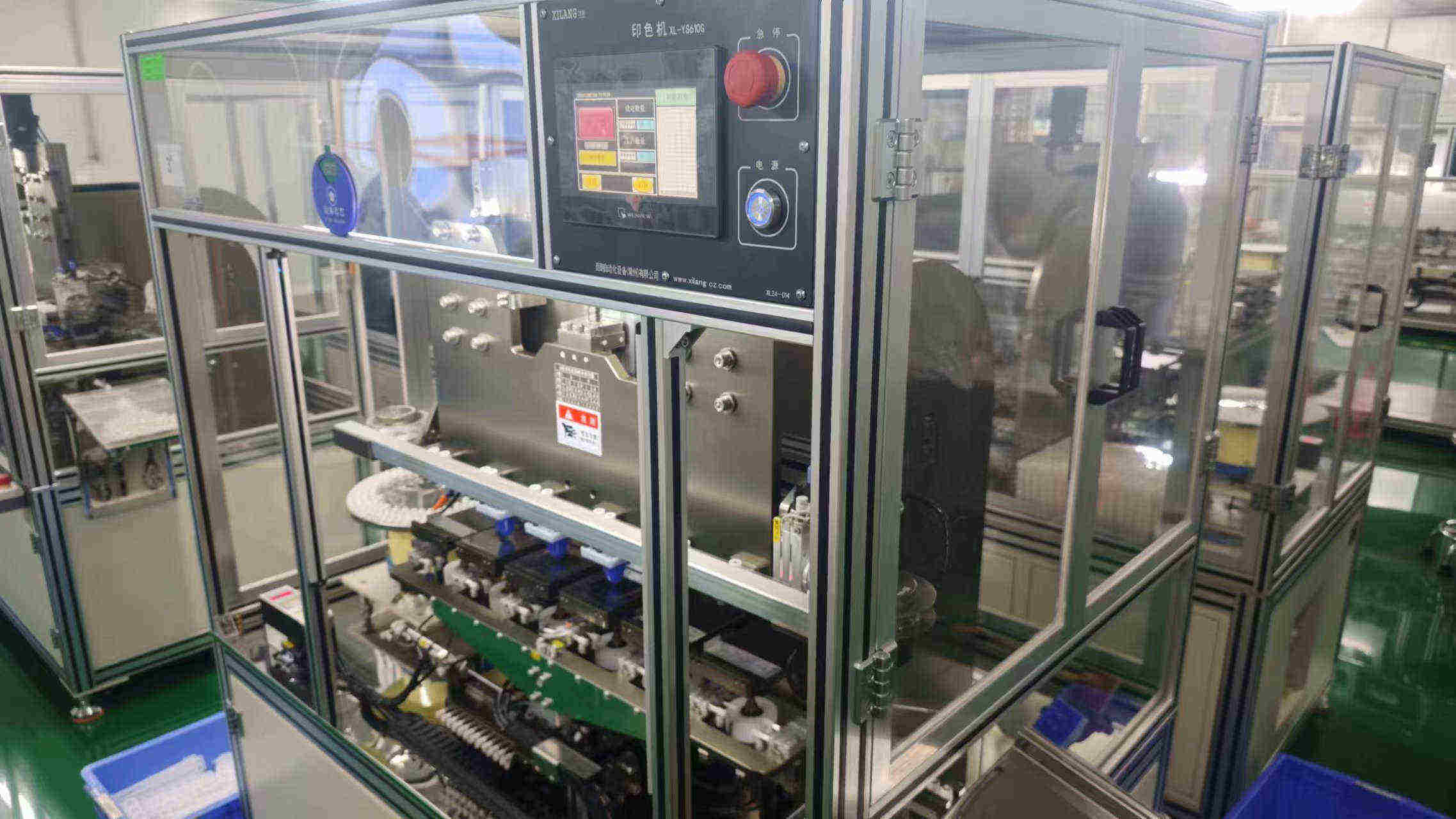
Dongguan, located in China's Pearl River Delta, has evolved from a traditional assembly hub into a global leader in advanced manufacturing. Dongguan Dailylensie Co., Ltd. serves as a prime example of this transition, bridging medical-grade manufacturing precision and cutting-edge eye aesthetics. Operating modern facilities, they specialize in full-service OEM/ODM and private-label solutions tailored to international brand requirements.
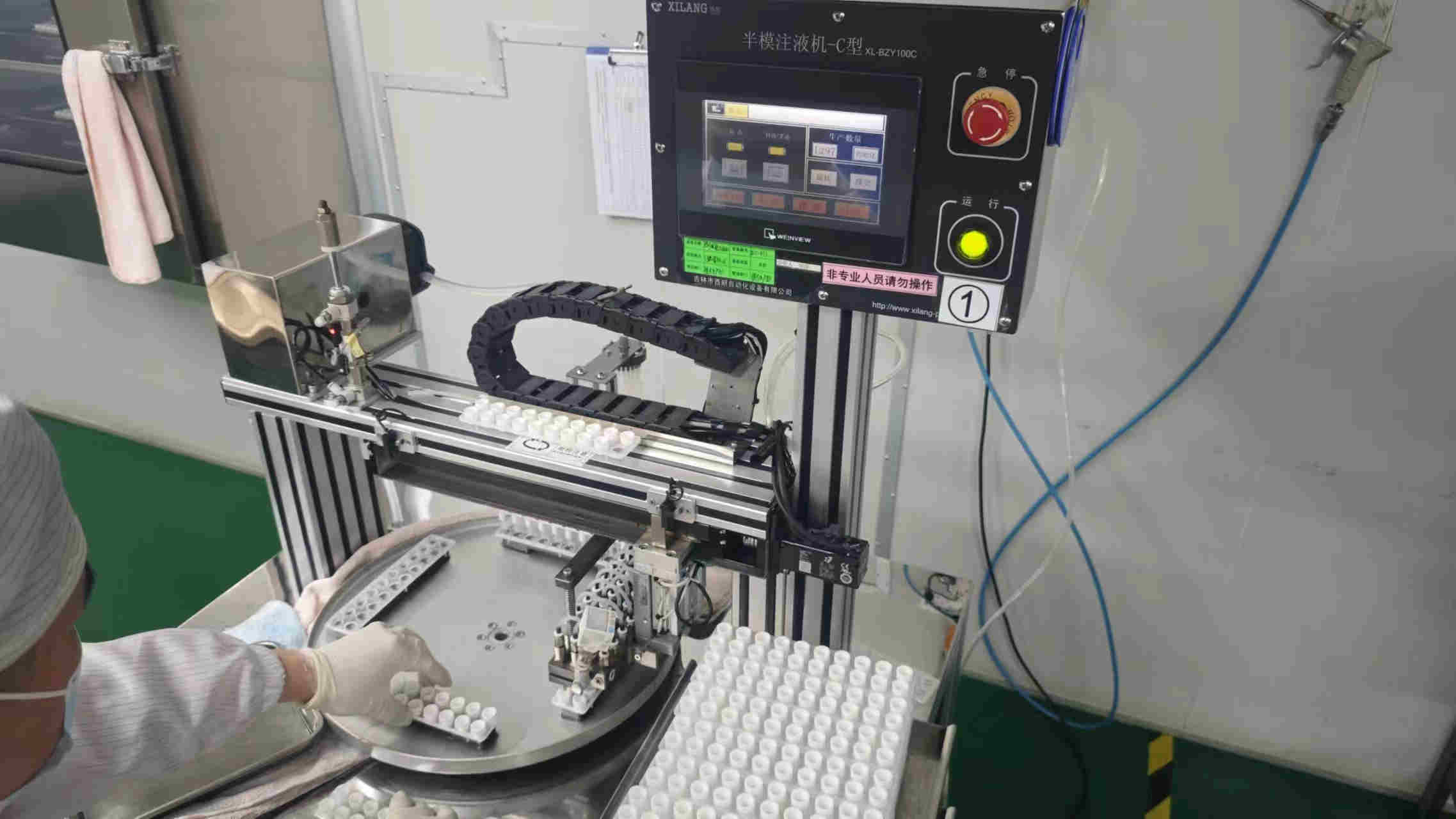
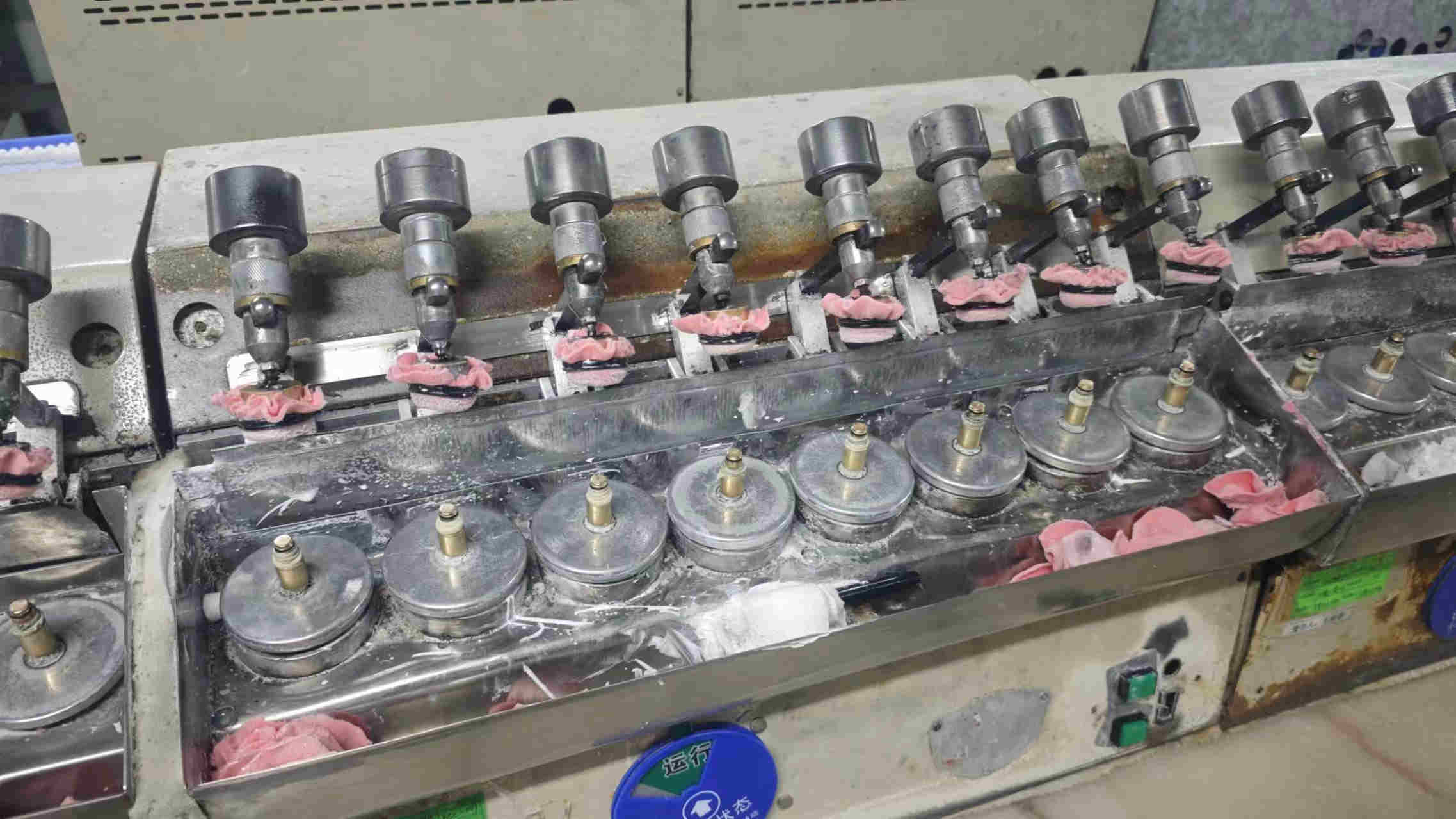
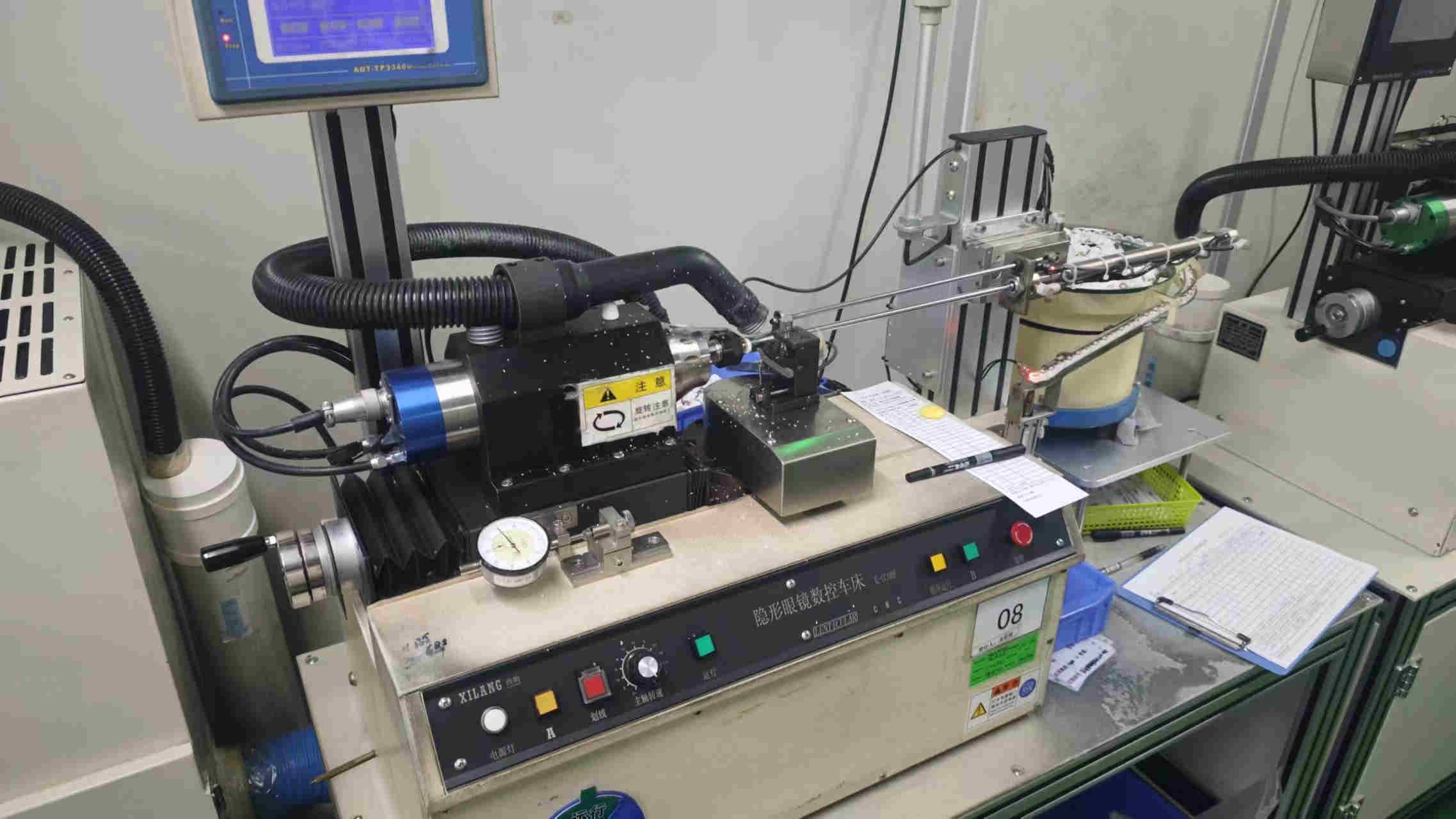
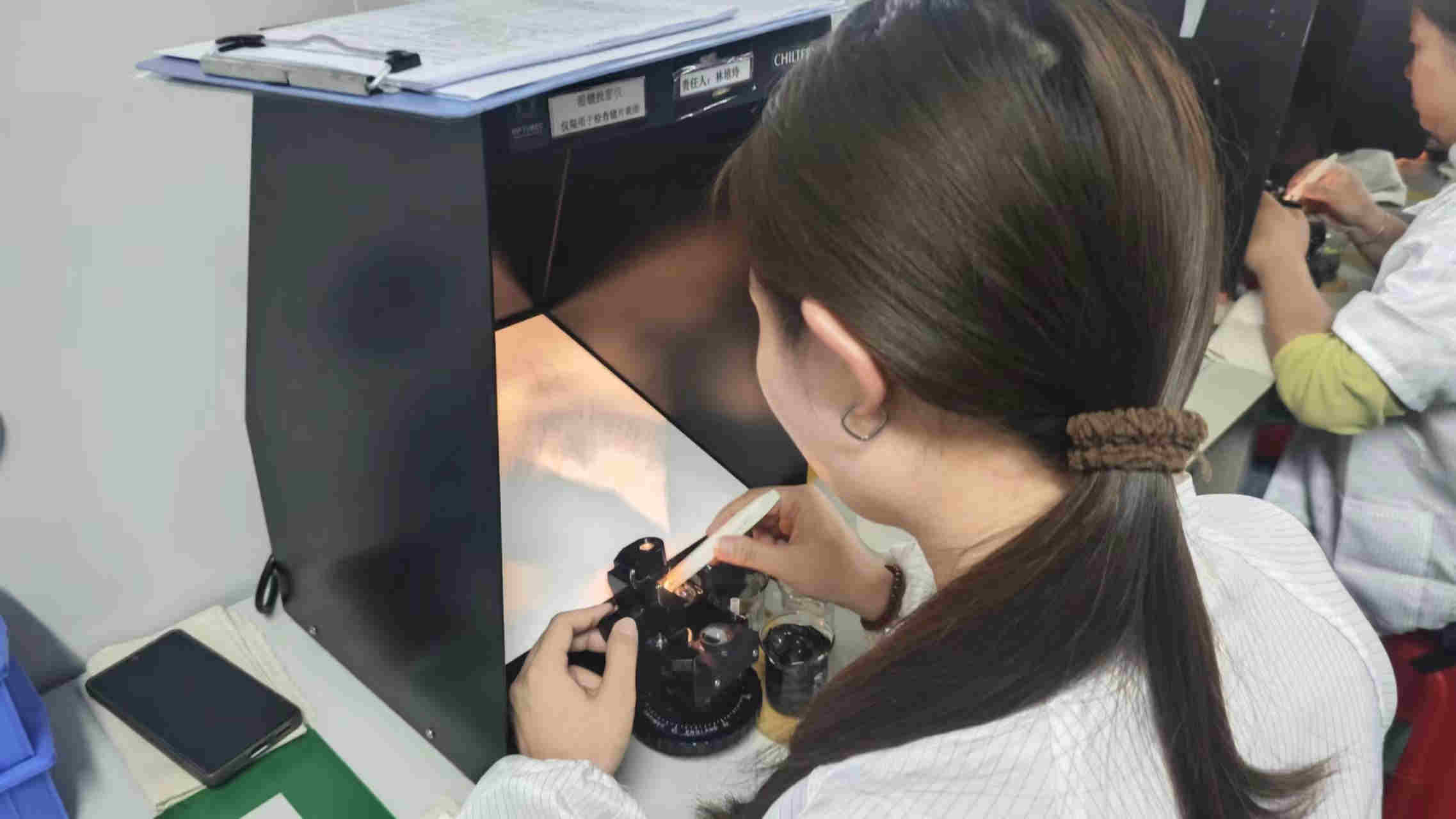
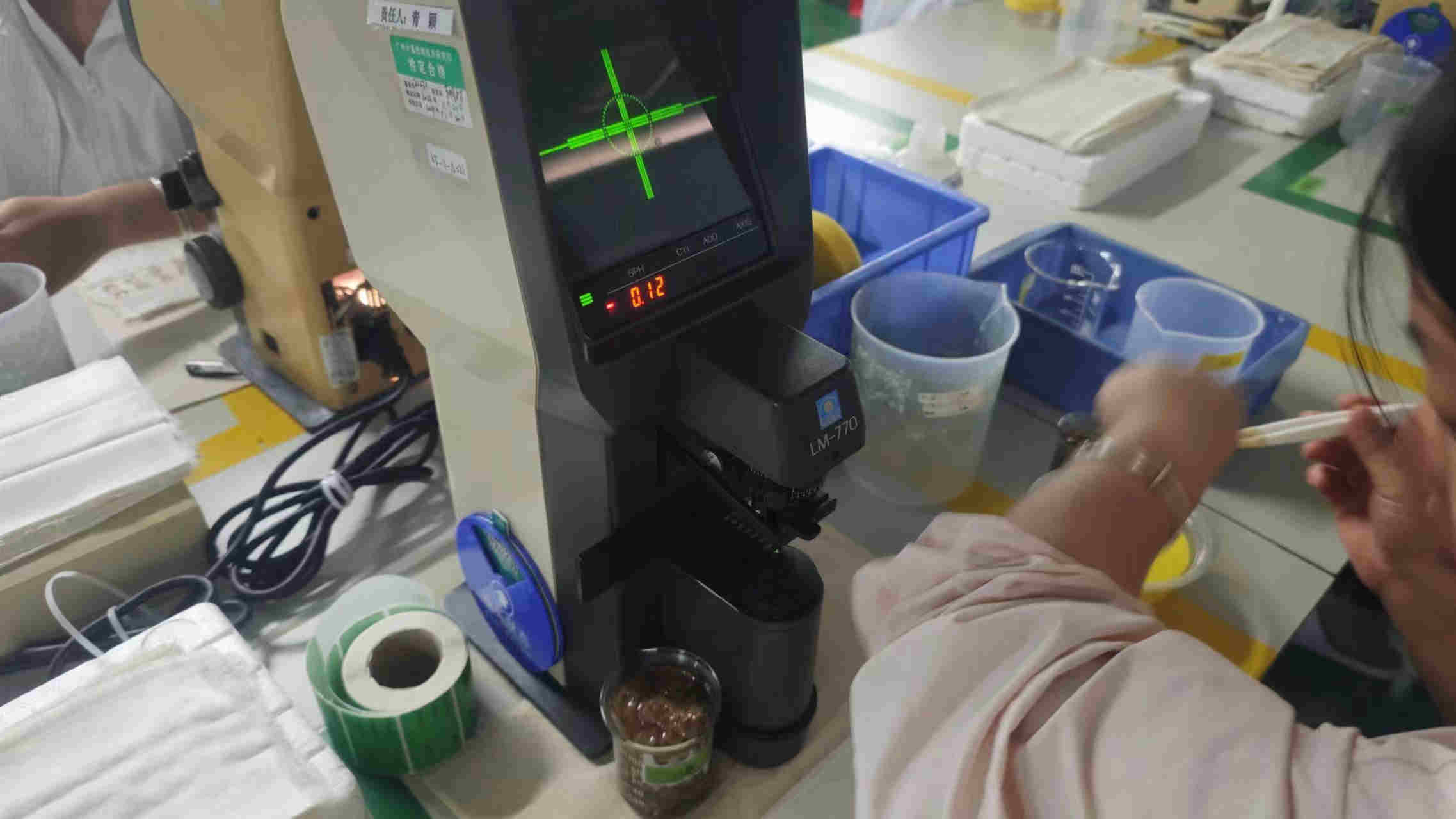
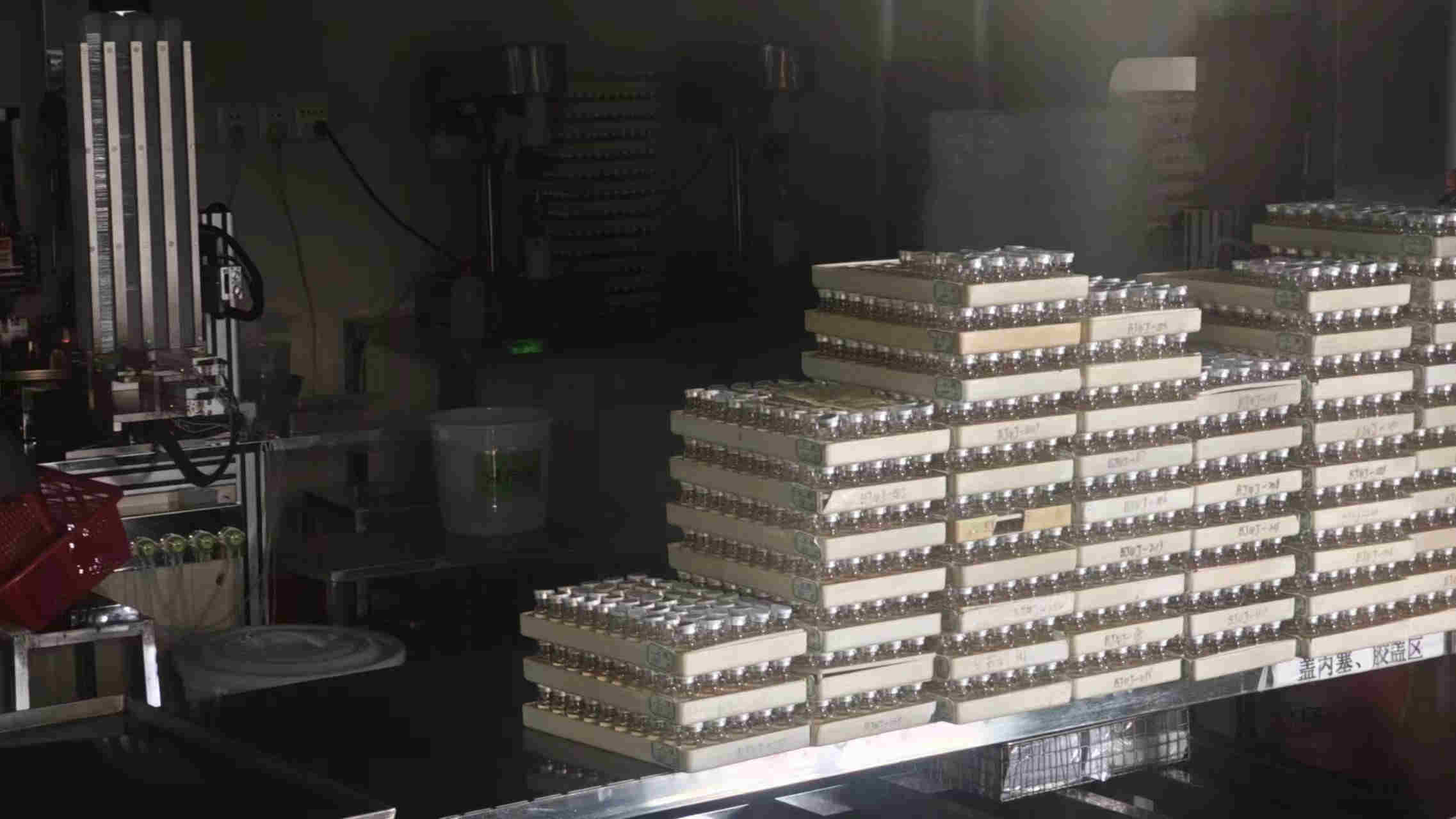
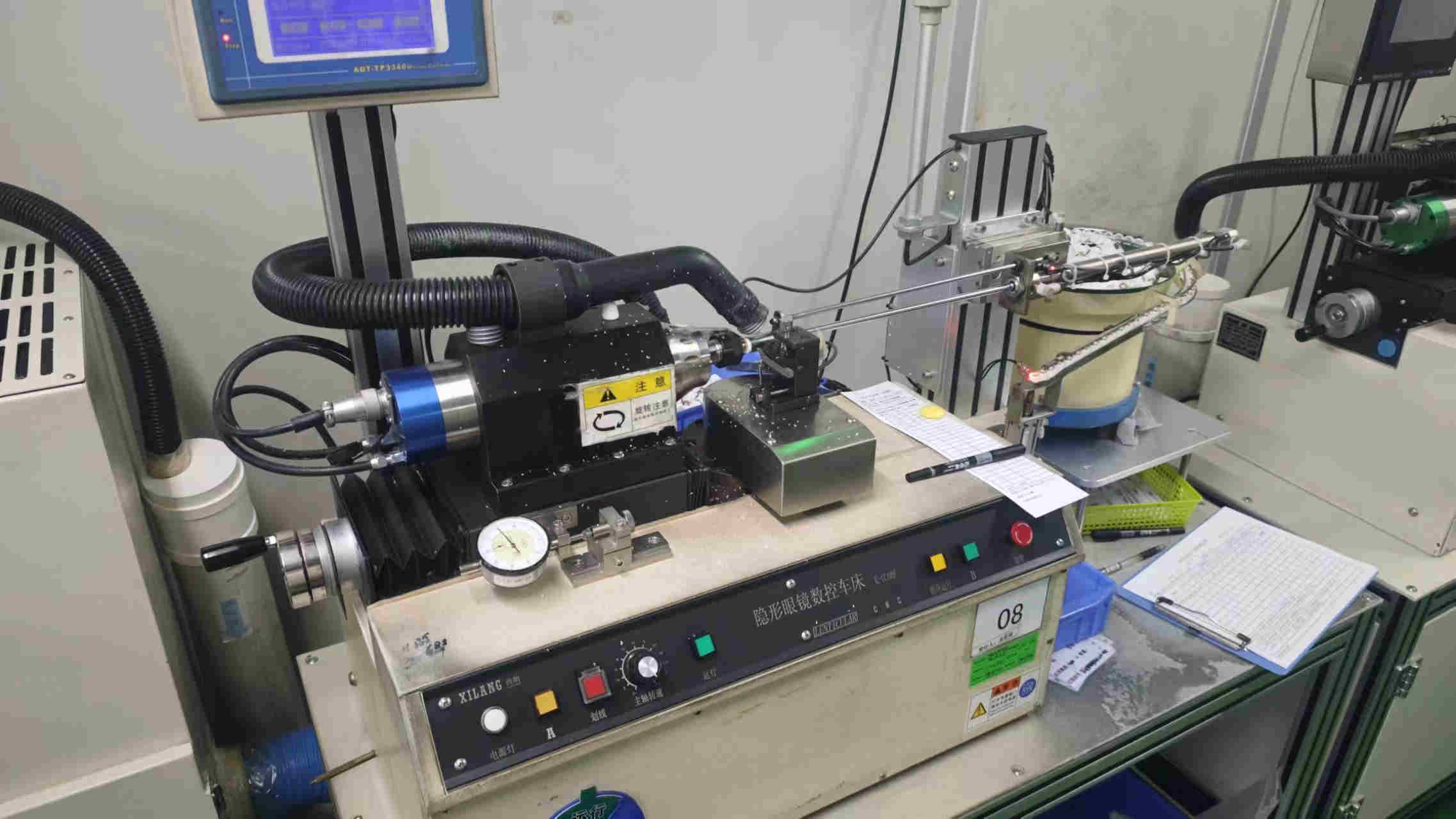
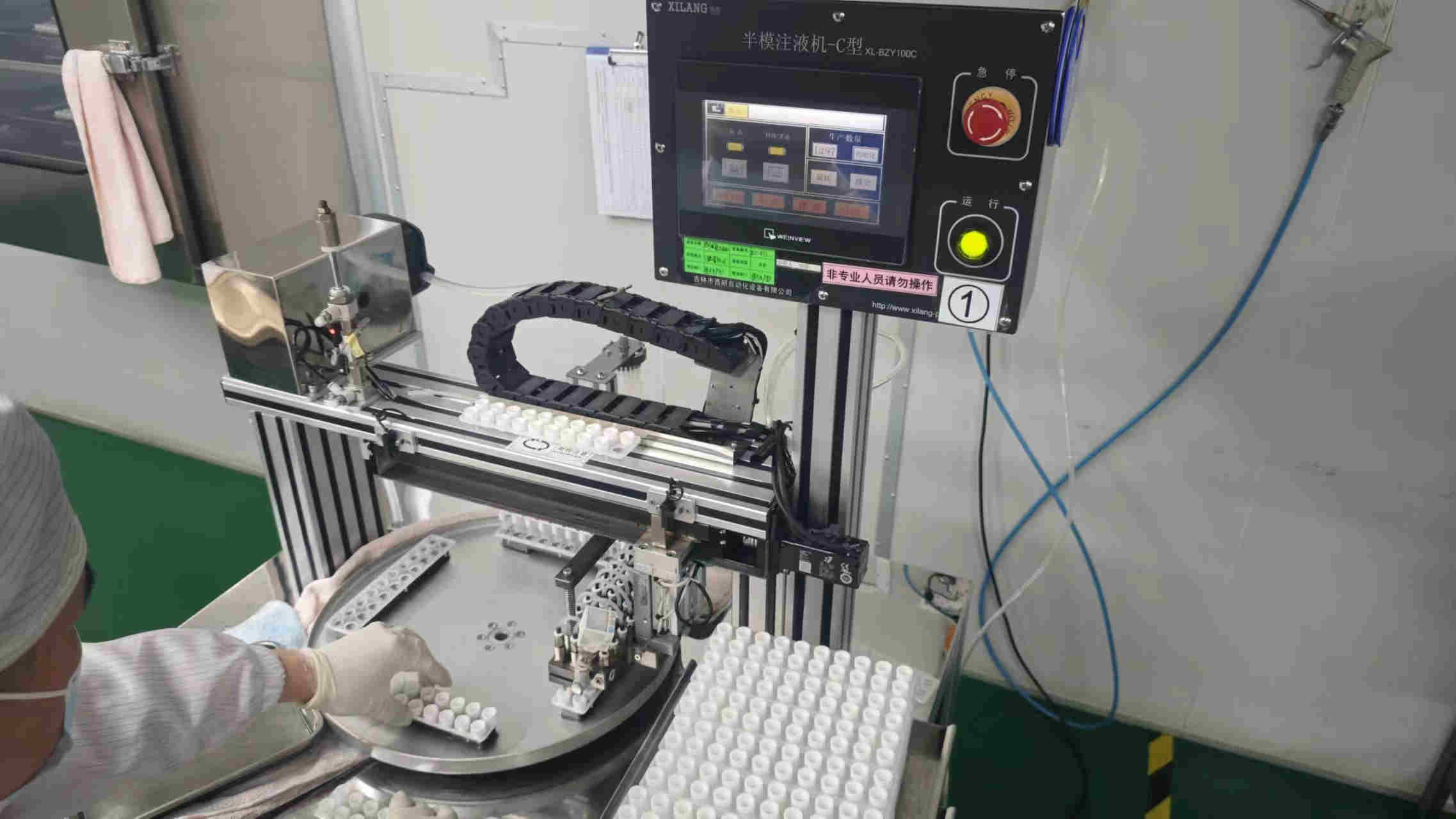
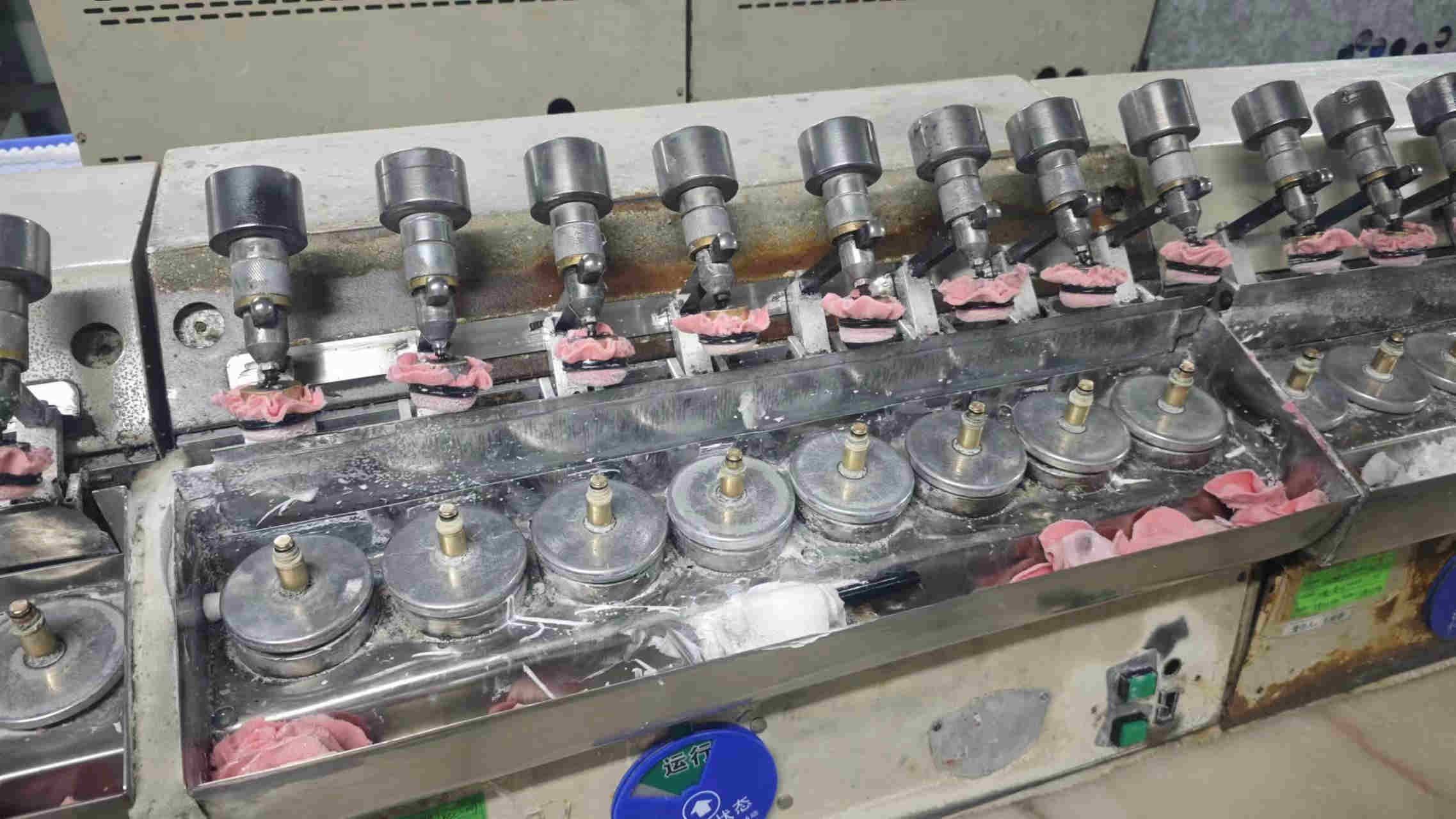
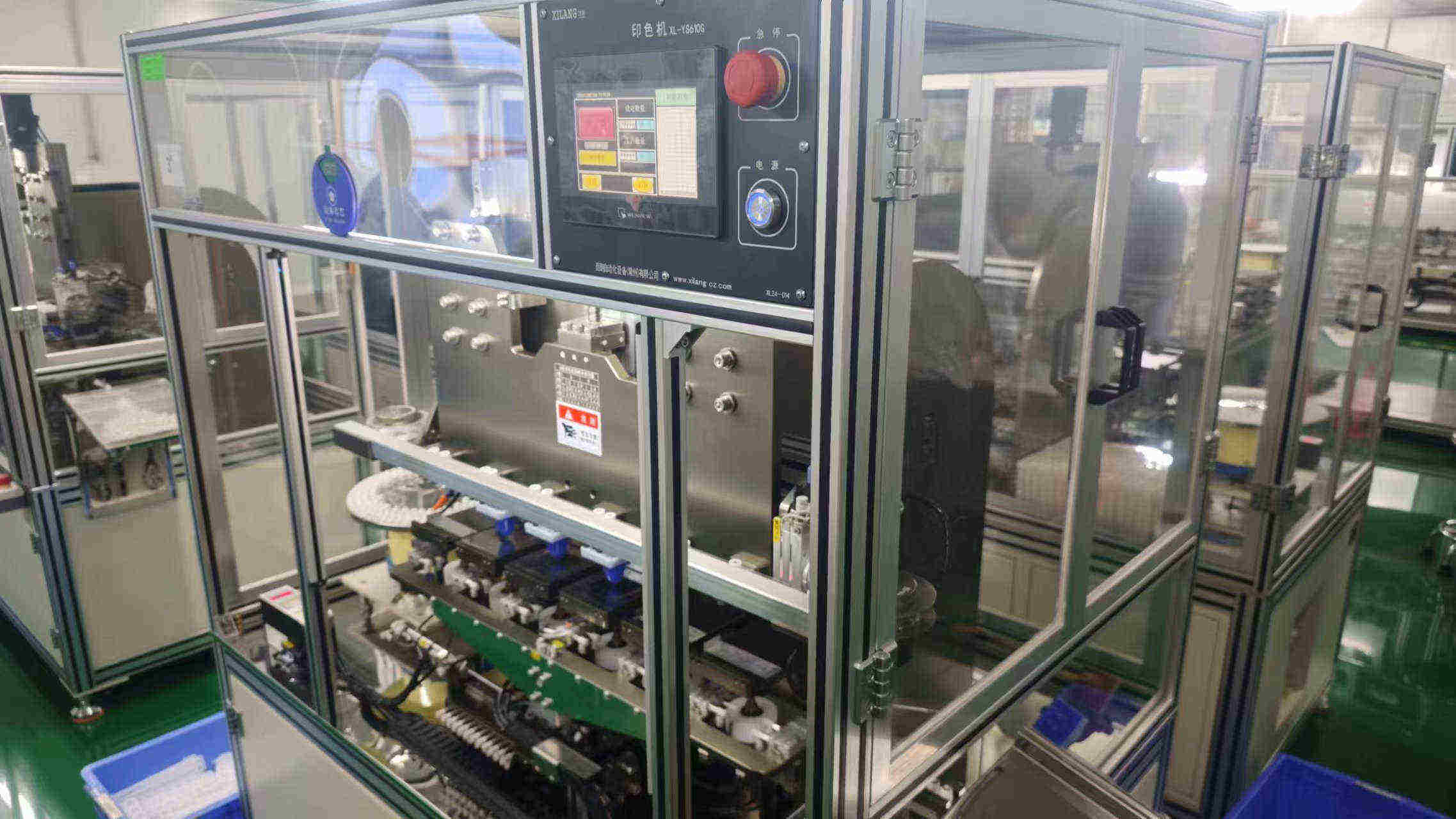
The manufacturing architecture utilizes a Factory 4.0 infrastructure. This model integrates automated liquid injection molding, computerized lathe cutting, and advanced dry-polishing. By replacing manual handling with automated robotics, the facility reduces human error, ensuring consistent alignment of the optical axis and color consistency across production runs. Dynamic quality control is maintained in certified cleanrooms through automated optical inspection (AOI) systems that scan each lens for microscopic anomalies, bubbles, or edge imperfections.


4. Key Criteria for Selecting a Contact Lens Manufacturer
01. Regulatory Credentials
Verify certifications (FDA 510k, CE MDR, ISO 13485). Ensure these are valid for the specific manufacturing site and raw materials being used.
02. Design Competence
Examine the manufacturer's library of multi-tone gradients, limbal ring designs, and iris textures to confirm they can deliver realistic aesthetic finishes.
03. Material Sourcing Quality
Check the origin of polymer monomers (e.g., FDA-approved HEMA or Silicone Hydrogel formulations) to ensure safety and comfort for end users.
04. Quality Control Infrastructure
Ensure the facility is equipped with automated optical inspection systems (AOI) to eliminate human oversight errors on the production line.
05. Production Facility Standards
Verify that cleanrooms meet Class 10,000 (ISO 7) or Class 100,000 (ISO 8) standards, minimizing dust and microbial contamination risk.
06. Supply Chain Integration
Select manufacturers capable of handling the entire workflow, from internal printing and molding to sterilization and packaging.
07. Customization Capabilities
Confirm the manufacturer offers robust OEM/ODM packaging options, including custom blister packs, vials, and printed retail boxes.
08. MOQ Adaptability
Confirm their minimum order quantity rules. Agile factories support flexible MOQs for initial market testing and scaling.
09. Lead Time Reliability
Audit their average shipping lead times and production cycle capabilities to prevent supply disruptions during peak demand periods.
10. Environmental Standards
Assess their waste-water treatment and medical-grade scrap management to align with corporate social responsibility (CSR) initiatives.
5. Localized Application Scenarios & Intent Mining
Understanding user intent is essential for developing high-converting product lines. Market research shows that consumers seek natural-looking contact lenses for several distinct use cases:
- Daily Corporate & Office Wear: Professional users prefer subtle hazel, brown, or soft gray lenses. These enhance eye brightness without drawing undue attention, supporting a polished corporate appearance.
- Social Media & Content Creation: High-definition cameras reveal artificial cosmetic details. Creators look for lenses with realistic iris micro-textures that remain convincing even in close-up macro shots.
- Occasion Wear (Bridal & Galas): Consumers seek lenses that brighten and enlarge the eyes slightly for events, ensuring a natural look in flash photography.
- Medical Corrective Enhancement: Patients with corneal scarring or color differences use natural cosmetic lenses to match their affected eye with their healthy iris.
6. Industry FAQs & Sourcing Insights
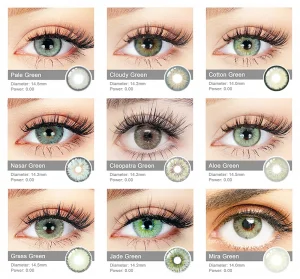
Complete Catalog Collection