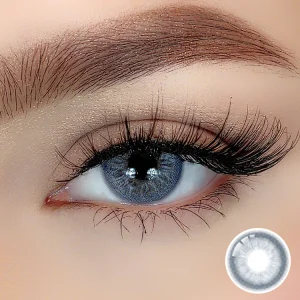
Featured Contact Lens Catalog (A)
High-precision cosmetic and prescription soft hydrogel contact lenses engineered for comfort and maximum oxygen permeability.
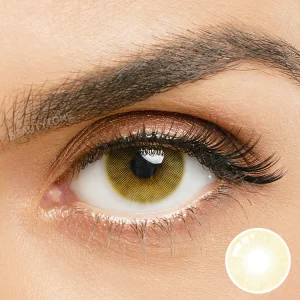
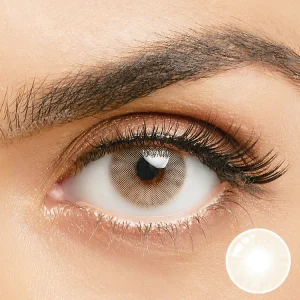
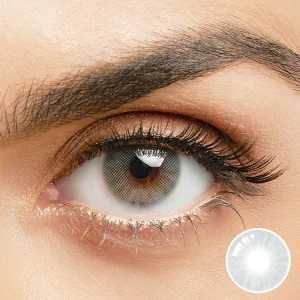
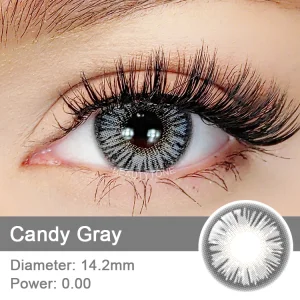
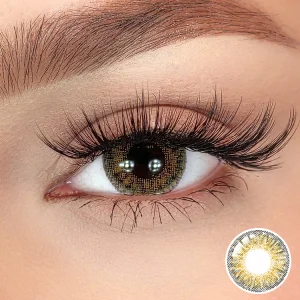
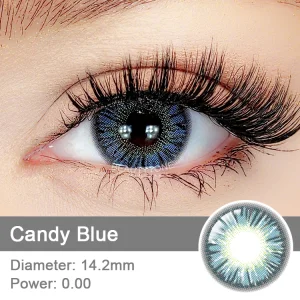
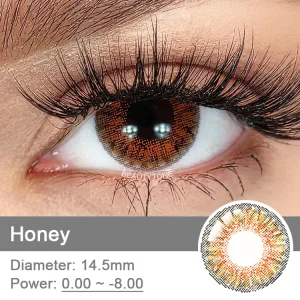
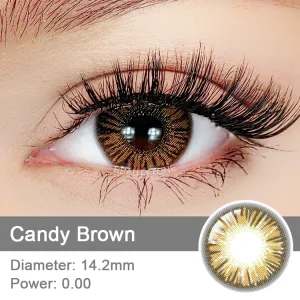
Who We Are | Dongguan Dailylensie Co., Ltd.
At Dongguan Dailylensie Co., Ltd., we bridge the gap between medical-grade manufacturing precision and cutting-edge eye aesthetics. Based in Dongguan, we are a modern contact lens factory specializing in full-service OEM/ODM and private-label solutions for the global market.
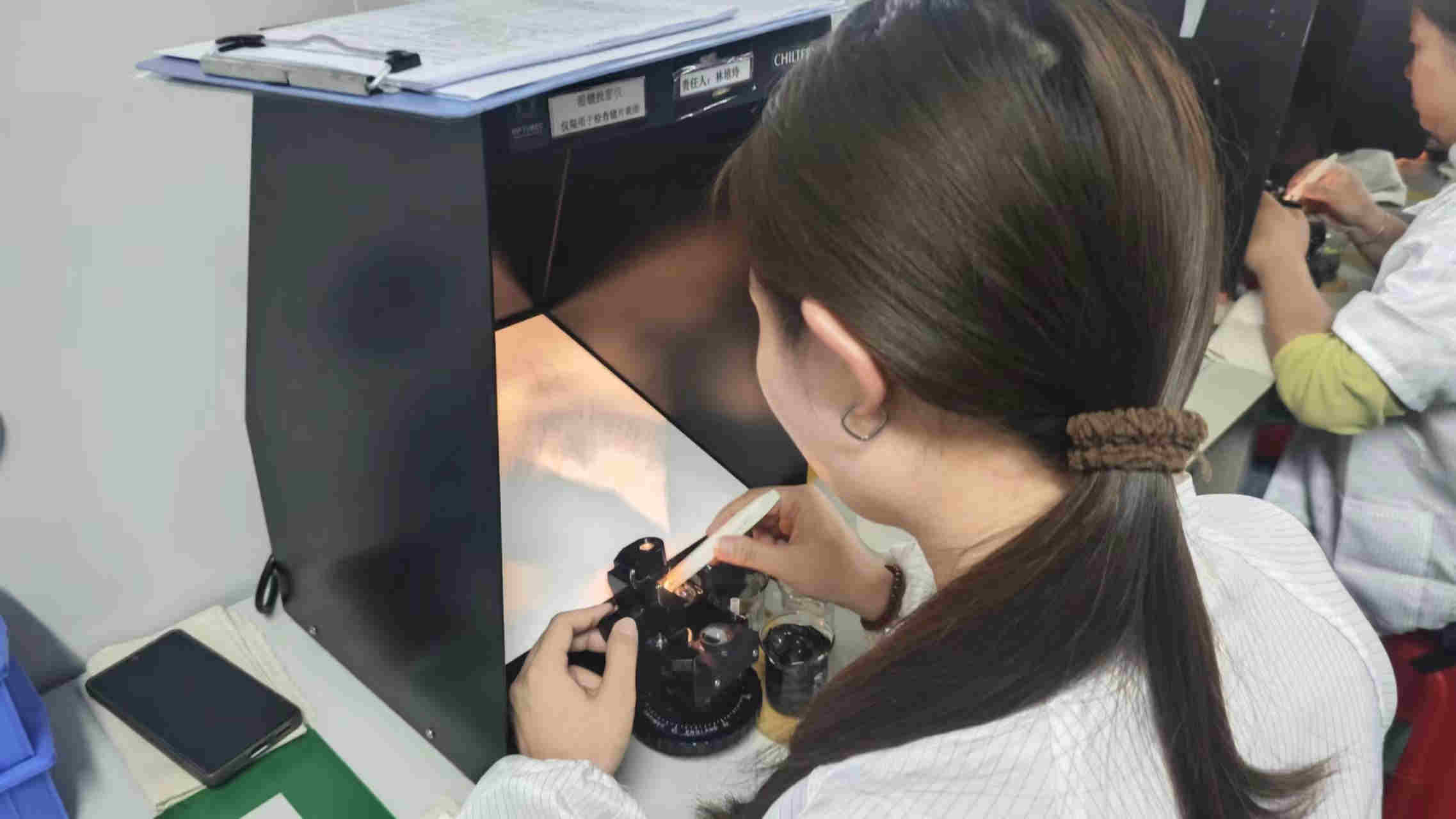
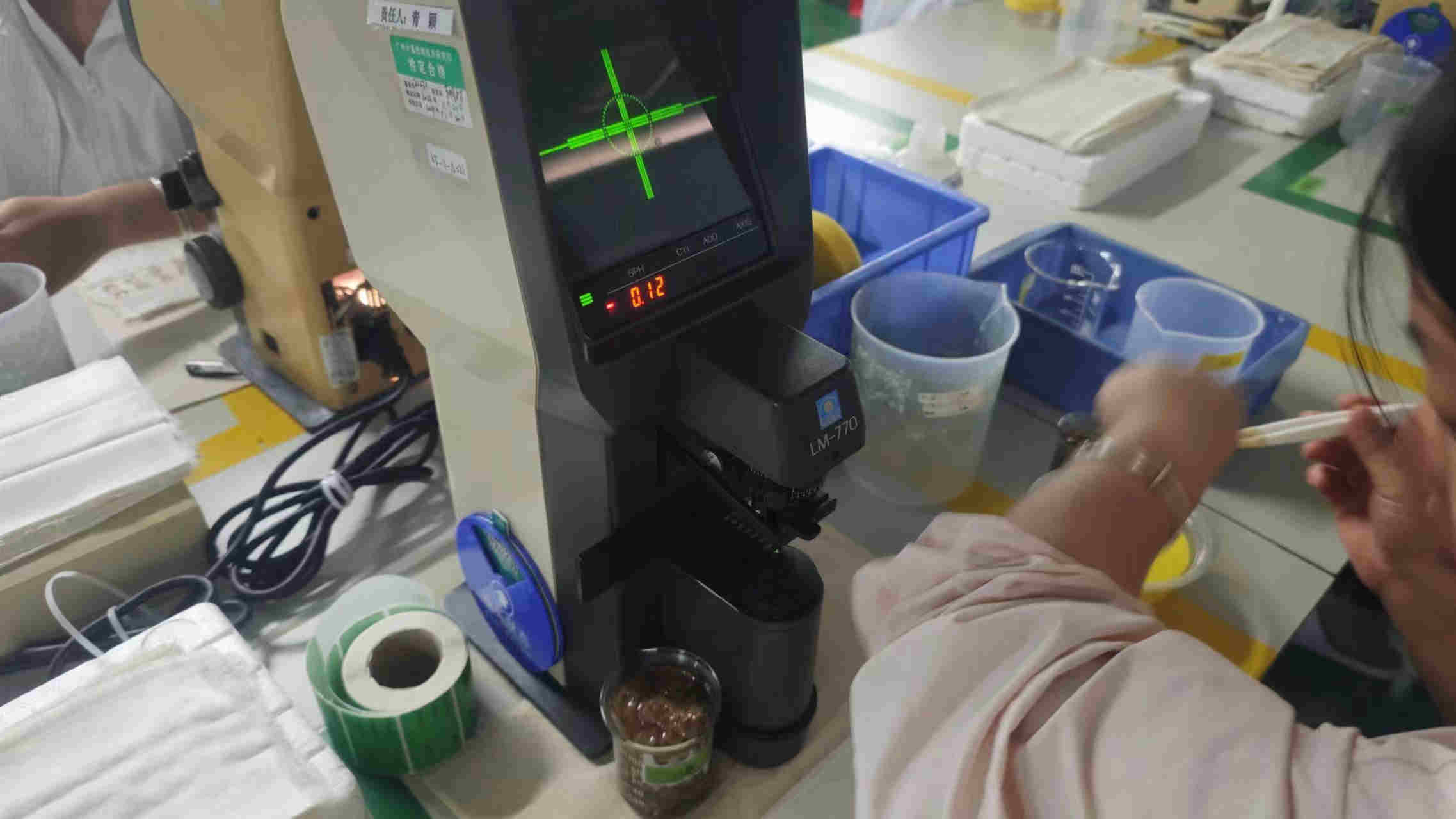
We don't just manufacture lenses; we bring vision to life. Our facility features fully automated production lines and an in-house design lab capable of executing complex, multi-tone color gradients and custom patterns that align with current beauty trends. Safety and comfort remain our bedrock—every lens undergoes rigorous automated cosmetic inspection and hydration testing in our certified cleanrooms.
Whether you are an established optical brand looking for a stable supply chain or a rising beauty influencer launching your first colored lens line, Chic Contacts provides flexible MOQ options, streamlined regulatory support, and reliable global shipping. Partner with us to experience manufacturing transparency and product excellence.
SEO Professional Insights: In the modern contact lens landscape, the transition from conventional Hydrogel (HEMA) to high-transmissibility Silicone Hydrogel materials demands extreme raw-material purity and advanced precision cast molding. Selecting a manufacturer is not simply a price-per-unit negotiation, but a critical audit of compliance, cleanroom technology, automated quality inspection, and supply-chain stability.
Global Industrial Landscape of Hydrogel Contact Lenses
The global contact lens market is undergoing rapid evolution. From a clinical perspective, soft contact lenses are divided into two main categories: conventional hydrogels (principally based on 2-hydroxyethyl methacrylate, or HEMA, often copolymerized with NVP or GMA) and silicone hydrogels (which incorporate fluoro-silicone macromers for increased oxygen permeability). While silicone hydrogels dominate prescription-heavy clinical markets due to their high Dk/t values, conventional hydrogels remain the gold standard for daily-wear cosmetic, multi-tone colored lenses because of their superior wettability, low modulus (flexibility), and cost efficiency.
Understanding Material Science Dynamics
For brands and distributors sourcing contact lenses, the trade-offs between physical parameters are key to positioning. The table below details the performance comparison between the primary soft contact lens polymer matrices utilized by modern factories globally:
| Material Type | Water Content | Dk/t (Oxygen Transmissibility) | Modulus (Stiffness) | Primary Use Cases |
|---|---|---|---|---|
| Conventional Hydrogel (HEMA) | 38% - 58% | 15 - 30 | 0.3 - 0.5 MPa (Highly soft) | Cosmetic color lenses, 1-Year replacement cycles, cost-effective retail. |
| GMA-Hydrogel (Hioxifilcon) | 45% - 59% | 25 - 35 | 0.4 MPa | Dry-eye specific formulations, high-comfort daily lenses. |
| 1st Gen Silicone Hydrogel | 35% - 47% | 100 - 140 | 1.0 - 1.4 MPa (Stiffer) | Extended wear, high refractive correction. |
| 3rd Gen Silicone Hydrogel | 45% - 55% | 110 - 160 | 0.6 - 0.8 MPa (Balanced) | Premium daily disposables, premium OEM private labels. |
Manufacturing high-water-content conventional hydrogels requires strict control over polymerization shrinkage during the cast molding phase. If polymerization is uneven, the physical lens geometry—specifically the base curve (BC) and diameter (DIA)—deviates from tolerances, resulting in corneal discomfort, lens rotation (crucial for toric and multi-tone color alignment), and optical distortion.
Detailed Evaluation of the Top 10 Hydrogel Contact Lenses Manufacturers
This comparative guide evaluates the leading manufacturers shaping global output, focusing on their target markets, technological capabilities, and strategic relevance for OEM/ODM brand sourcing.
1. Johnson & Johnson Vision (Acuvue)
Headquarters: Jacksonville, Florida, USA
Core Focus: Proprietary silicone hydrogel daily disposables (Acuvue Oasys, Acuvue Moist). Known for its HydraLuxe™ and HydraMax™ technologies, the company holds the largest market share in prescription vision correction. However, their facilities do not cater to custom private-label or OEM/ODM color lens production for third-party brands.
2. Alcon (Novartis Group)
Headquarters: Fort Worth, Texas, USA
Core Focus: Water-gradient contact lenses (Dailies Total1, Precision1). Their advanced manufacturing technology yields lenses with nearly 100% water content at the outer surface. Like Johnson & Johnson, their capabilities are reserved for internal brands, leaving zero capacity for external OEM contracts.
3. CooperVision
Headquarters: Pleasanton, California, USA
Core Focus: Broad clinical portfolio (Biofinity, MyDay, Clariti). They possess massive production sites globally and offer some private-label packaging for large optical chains. However, their primary focus remains on clinical astigmatic, multifocal, and myopia management corrections.
4. Bausch + Lomb
Headquarters: Vaughan, Ontario, Canada
Core Focus: High-definition optics and bio-inspired materials (Biotrue ONEday). Their hydrogel models mimic the lipid layer of the tear film to prevent dehydration, supporting daily wearers in digital-heavy environments.
5. Menicon
Headquarters: Nagoya, Aichi, Japan
Core Focus: Flat-pack technology (Miru) and rigid gas permeable (RGP) lenses. Menicon is a pioneer in eco-friendly packaging and ultra-thin blister packs, presenting unique, patented solutions for high-end retail applications.
6. Pegavision Corporation
Headquarters: Taoyuan, Taiwan
Core Focus: Automated high-speed production of cosmetic color lenses and medical soft lenses. Pegavision is a major ODM manufacturer globally, known for rigorous optical inspection systems and large manufacturing capacities in Asia.
7. St. Shine Optical
Headquarters: Taipei, Taiwan
Core Focus: OEM/ODM production of disposable contact lenses. As one of the largest contact lens contract manufacturers, they export worldwide and support private labeling for cosmetic and clear vision brands.
8. Dongguan Dailylensie Co., Ltd.
Headquarters: Dongguan, Guangdong, China
Core Focus: Flexible OEM/ODM cosmetic color contact lenses and prescription soft lenses. Dailylensie specializes in multi-tone color gradients, offering custom packaging and flexible MOQs for growing brands and established distributors. They utilize automated visual inspection systems to ensure compliance with international quality standards.
9. Hydron (Ginko ViSion)
Headquarters: Mainland China & Taiwan
Core Focus: Massive presence in the Asian cosmetic contact lens sector. Known for fast-moving consumer color lines, they rely on localized design labs to release new aesthetic patterns monthly to match youth fashion trends.
10. Clearlab
Headquarters: Singapore
Core Focus: Biocompatible hydrogel contact lenses using PC (phosphorylcholine) chemistry. Clearlab offers both standard stock products and bespoke manufacturing services, focusing on ocular biocompatibility and dry-eye mitigation.
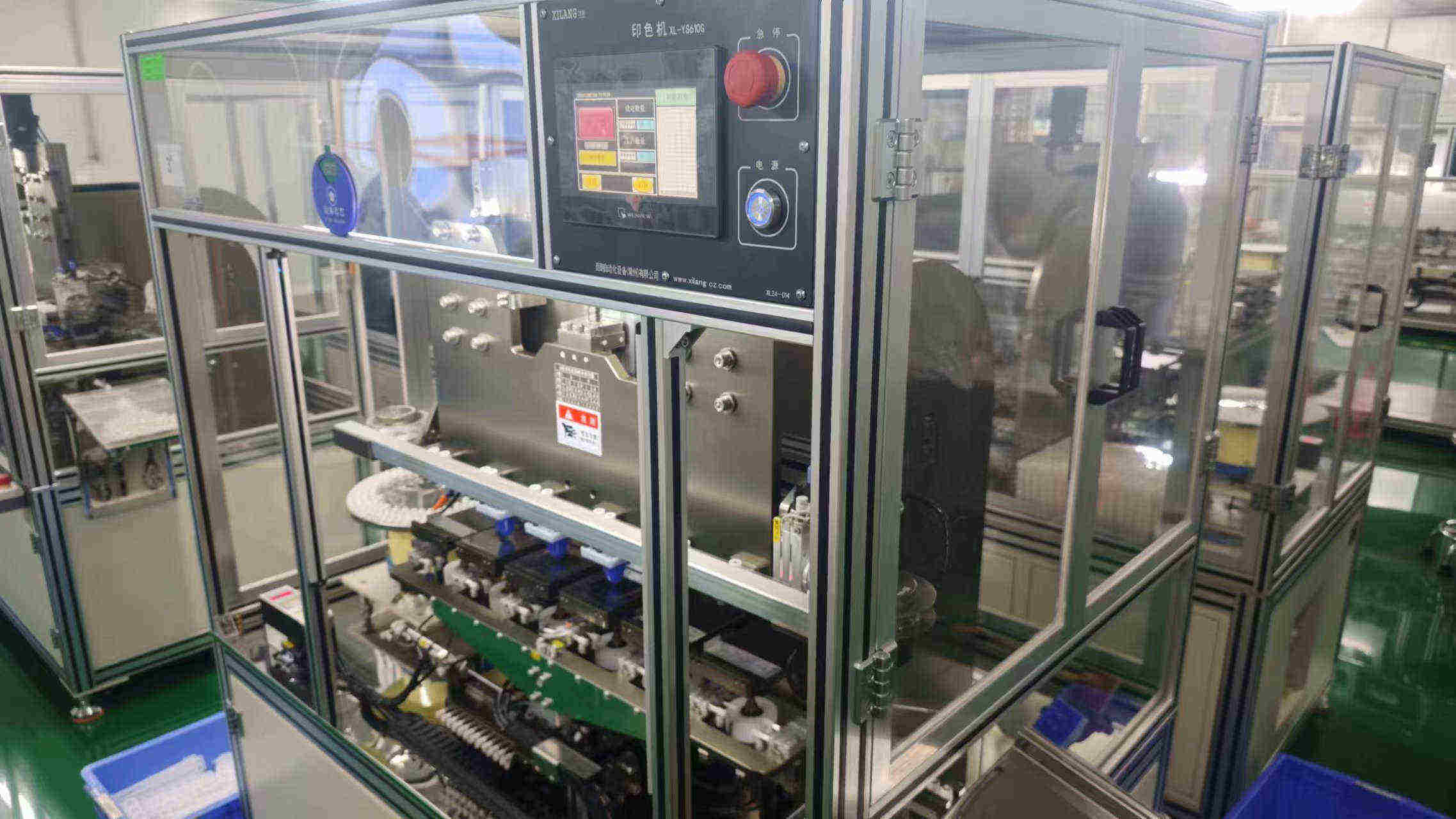
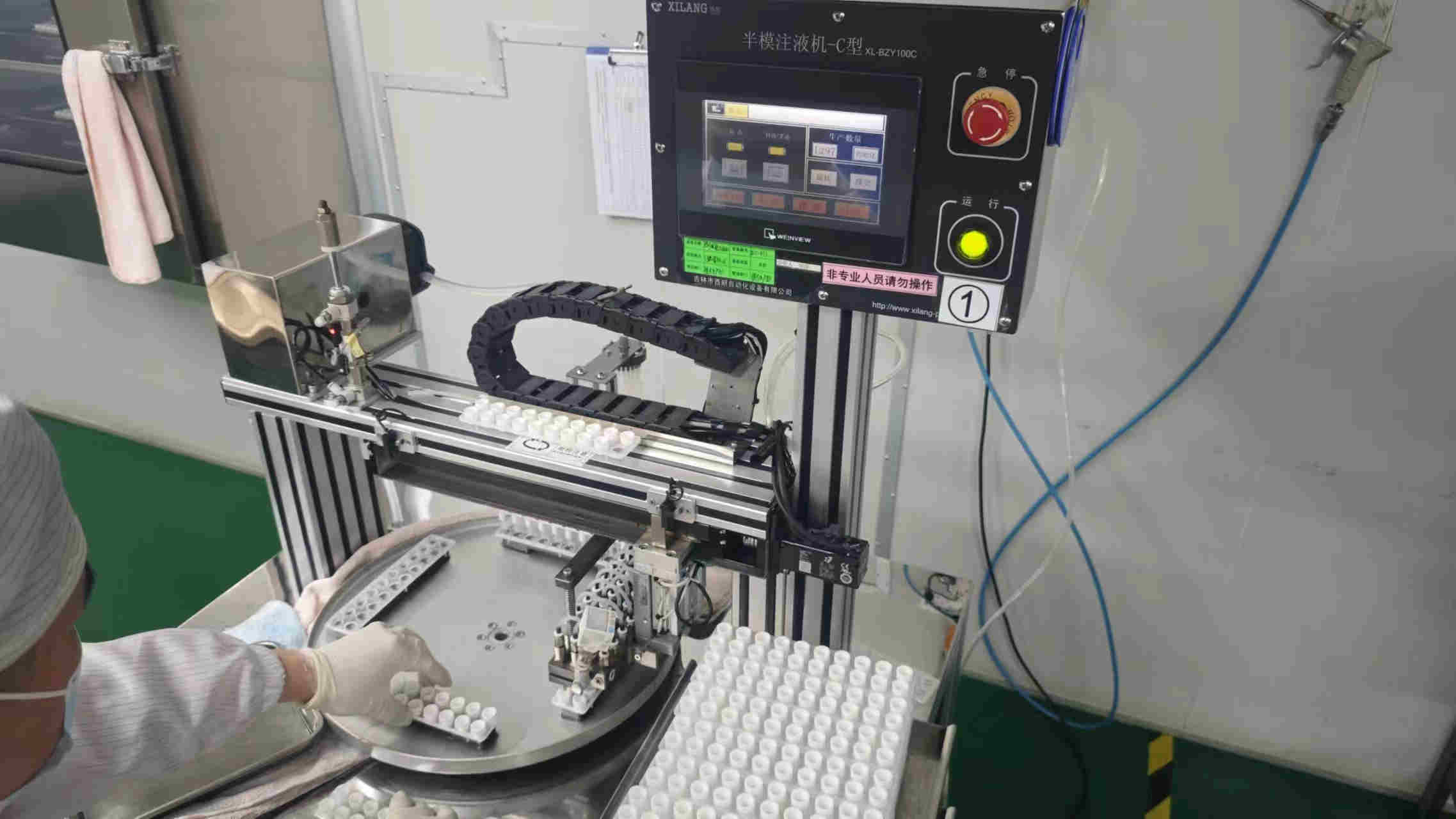
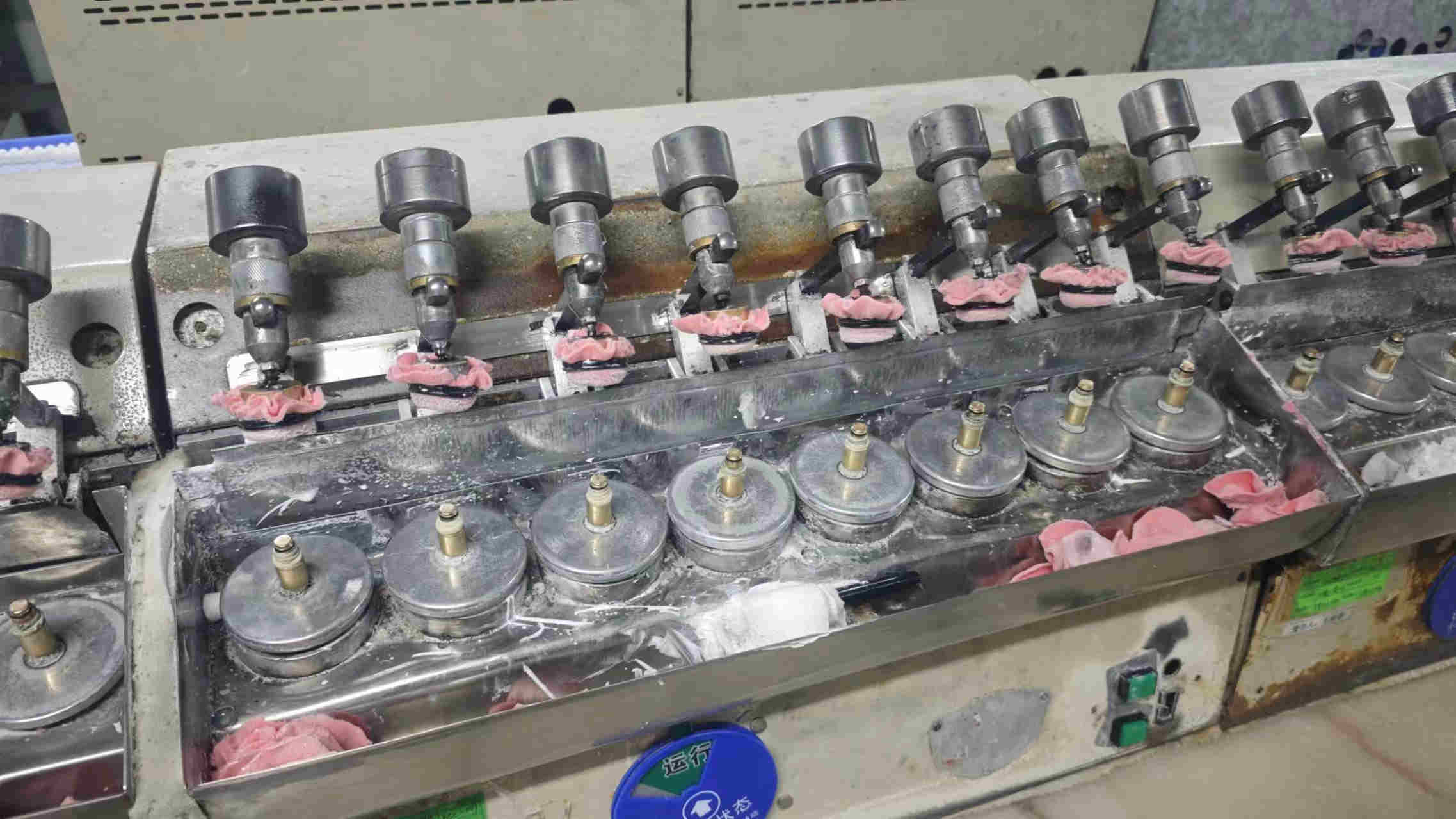
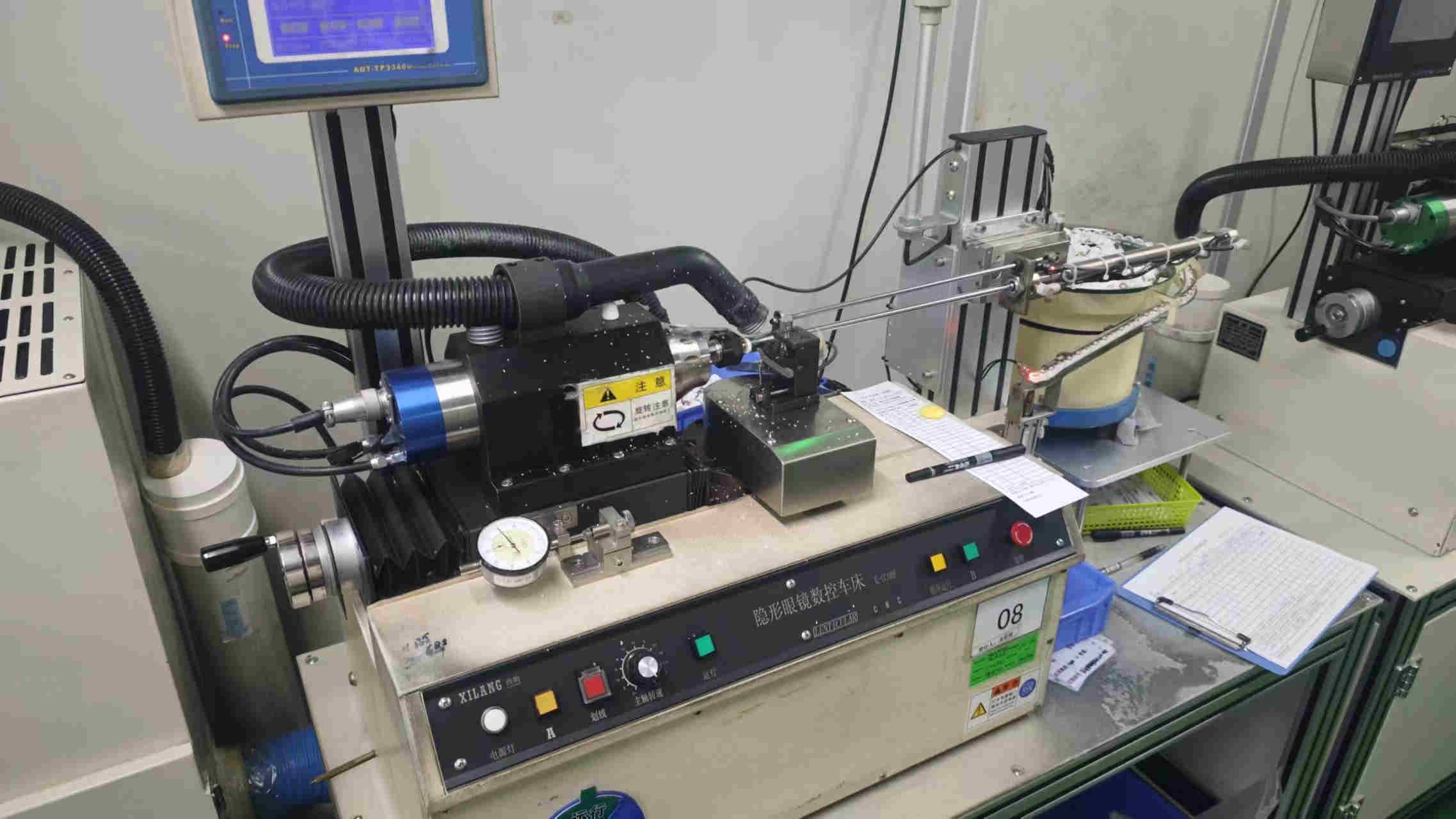
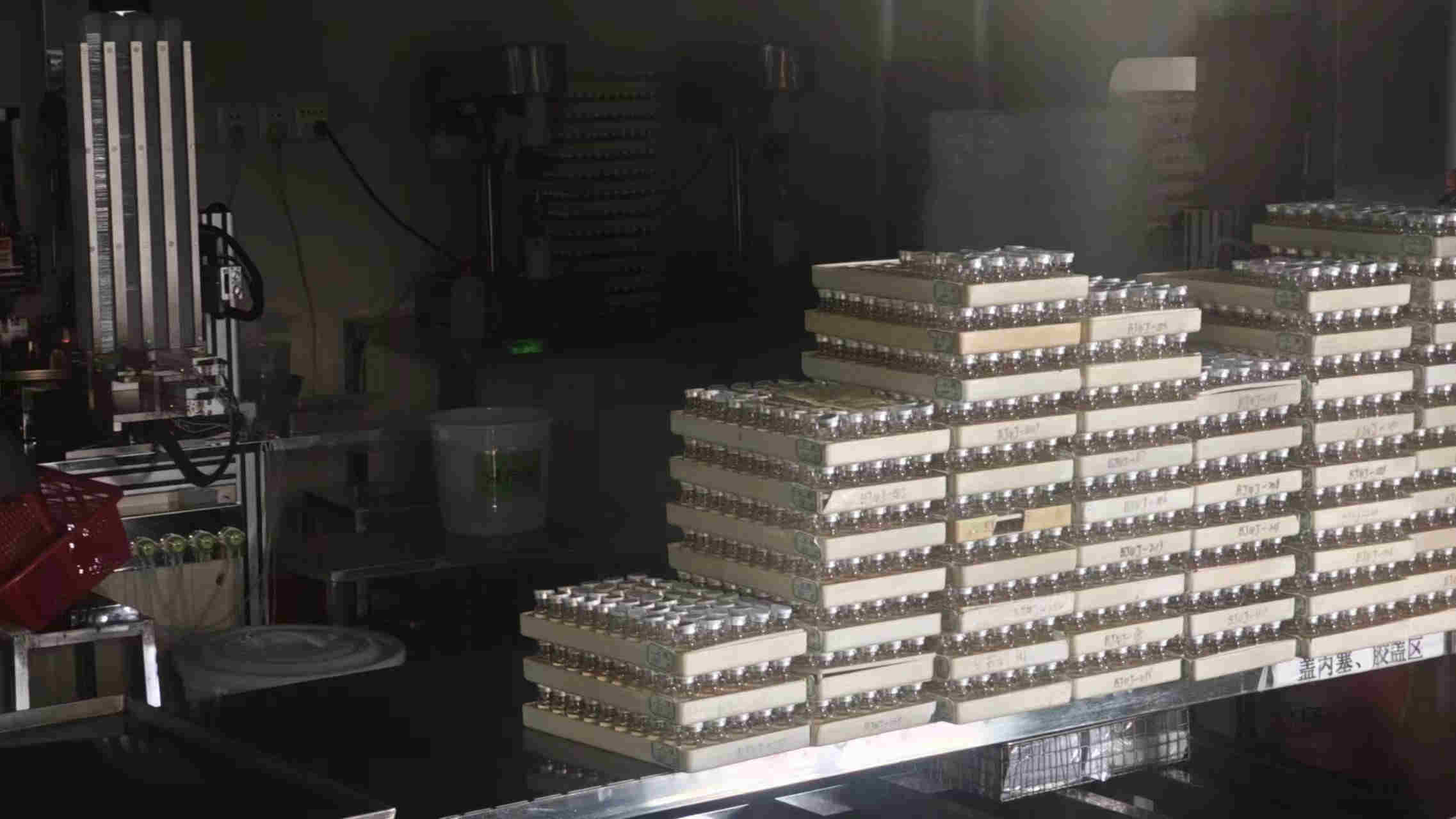
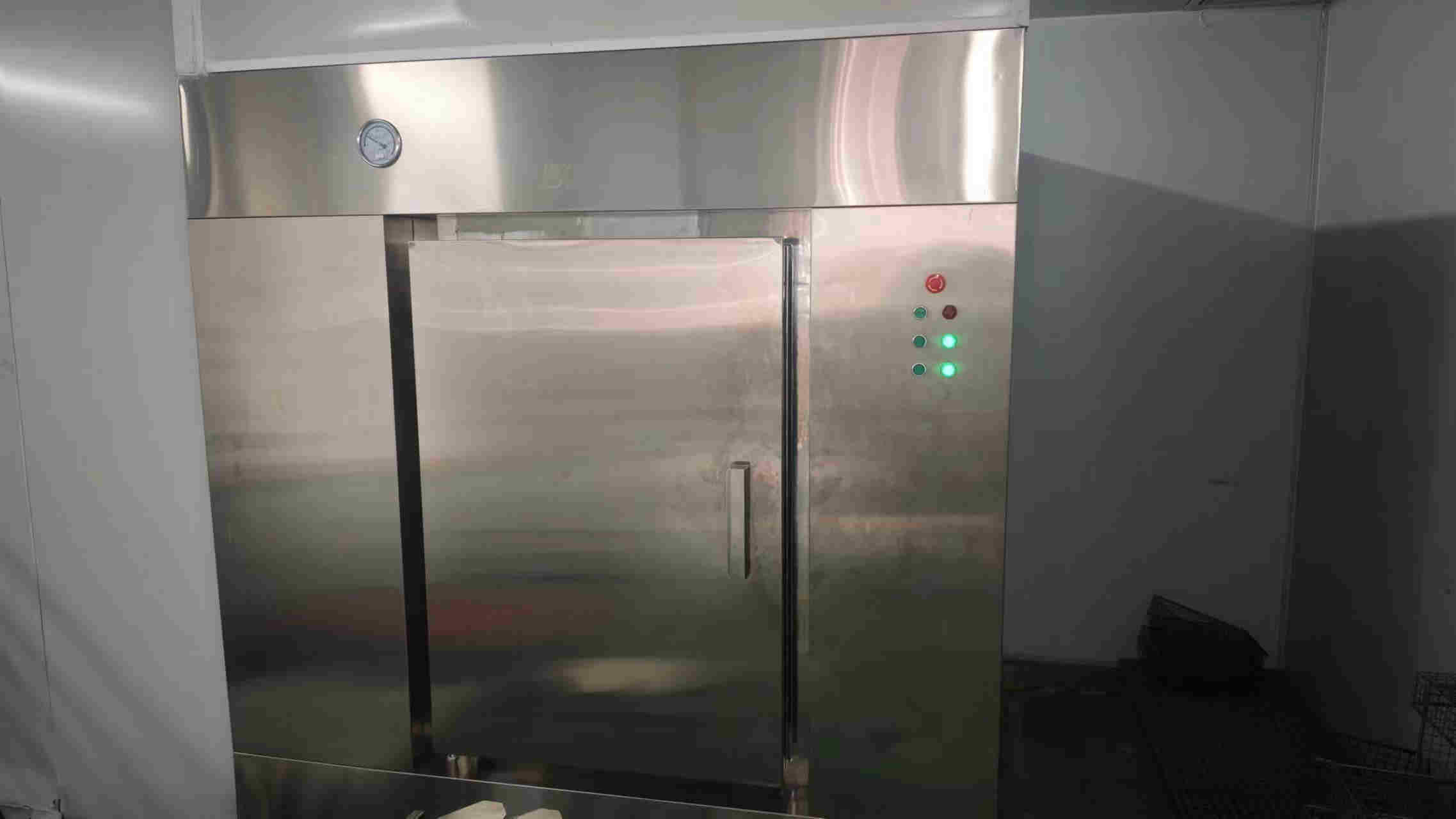
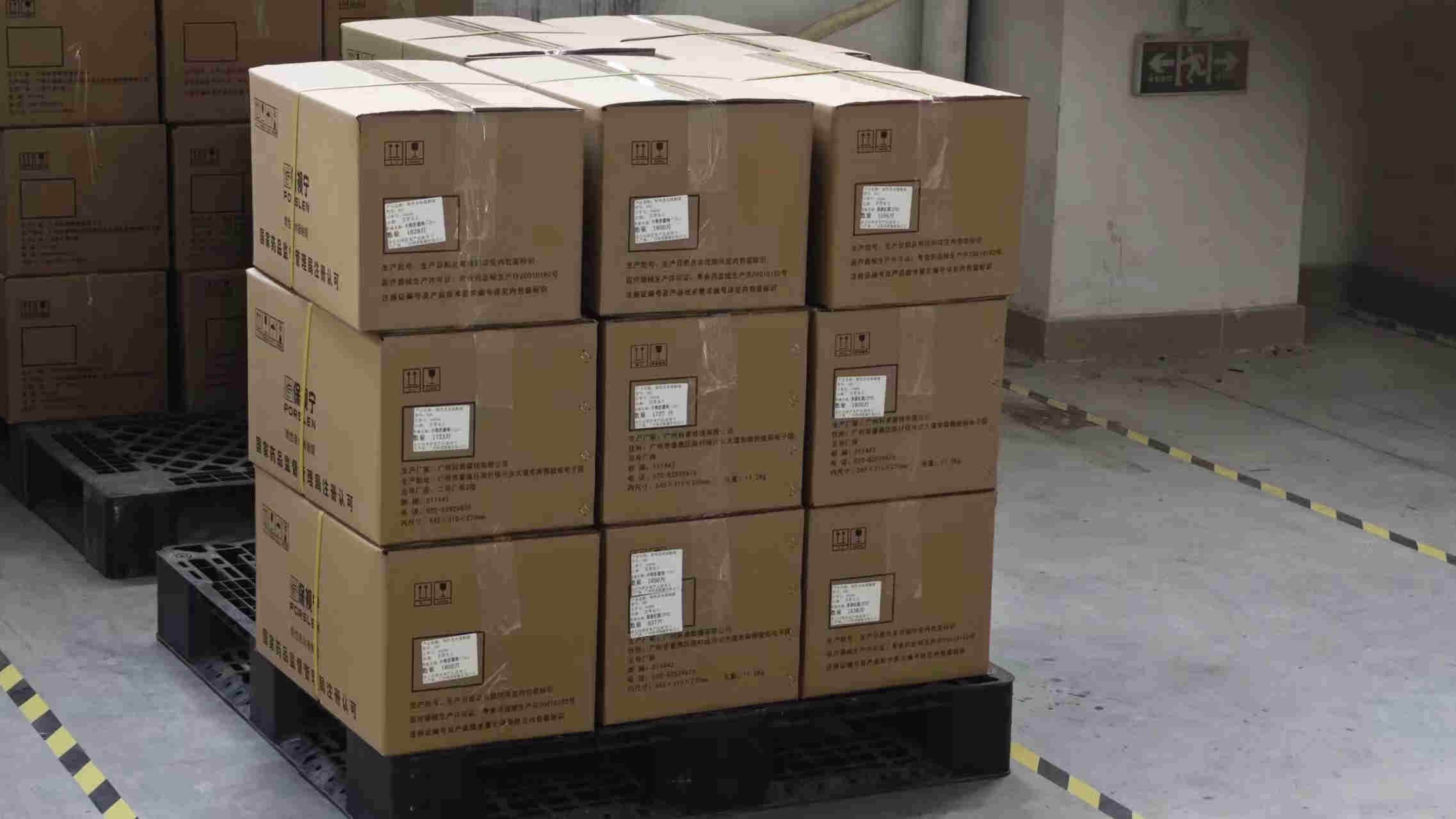
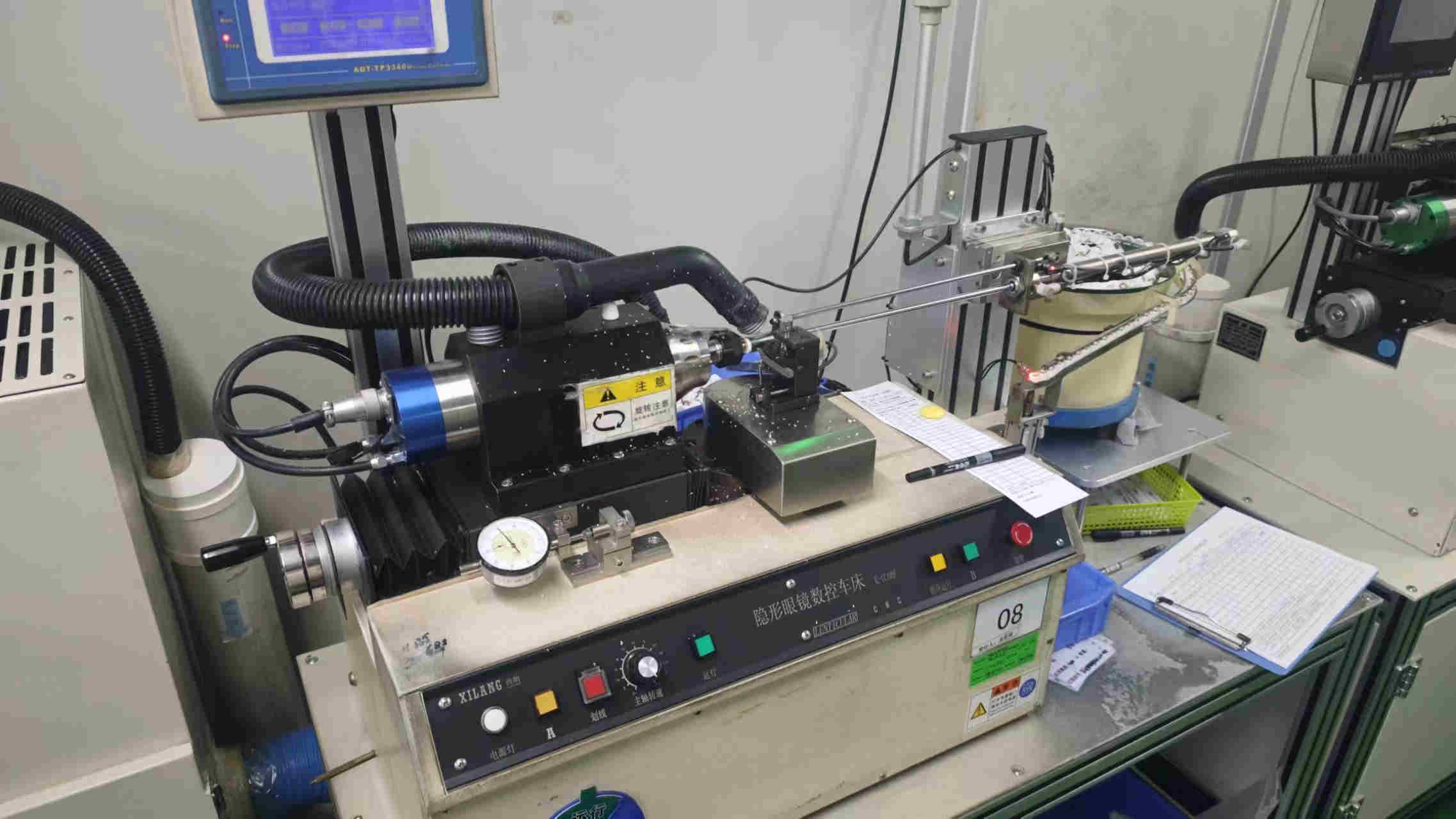
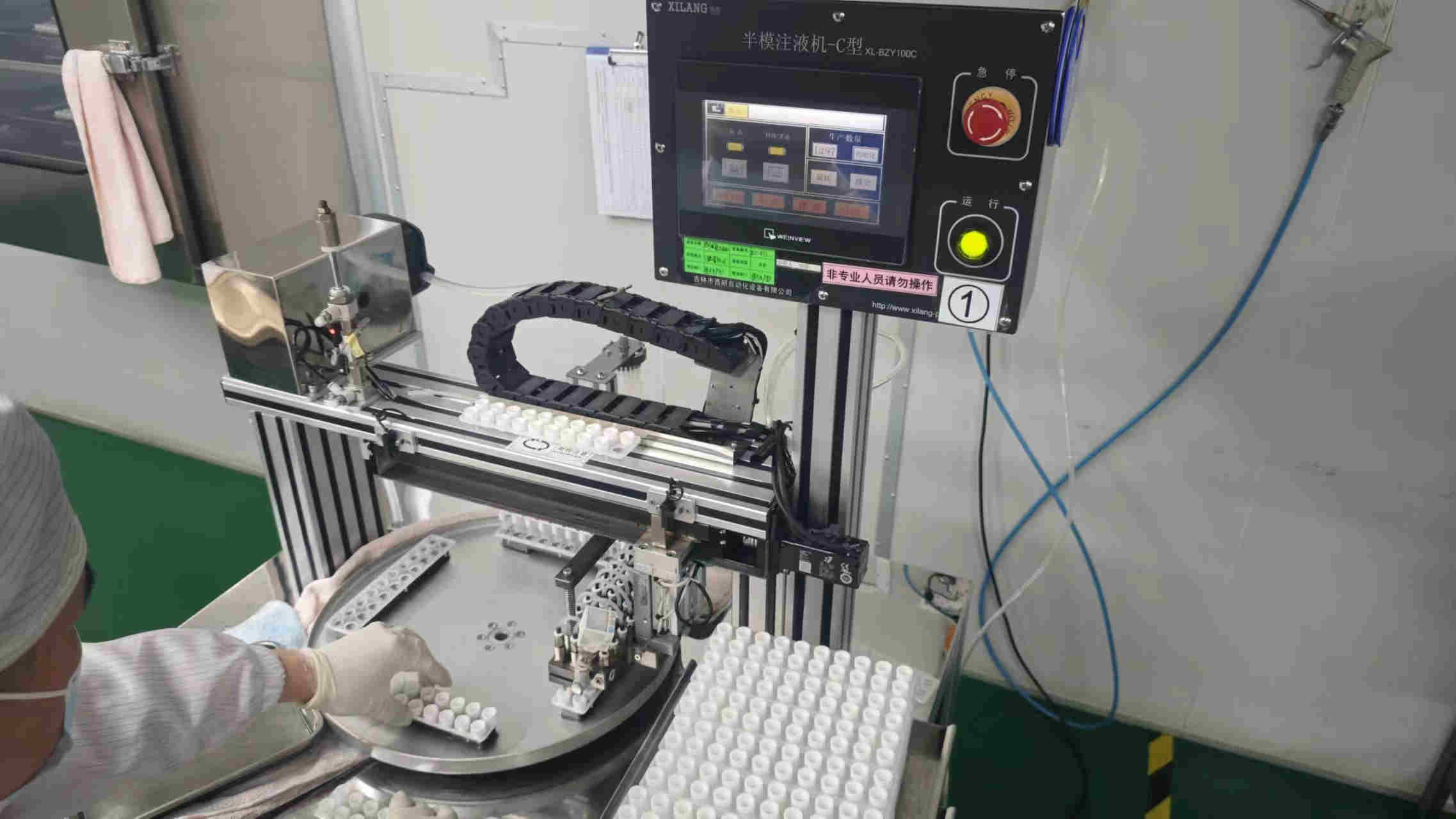
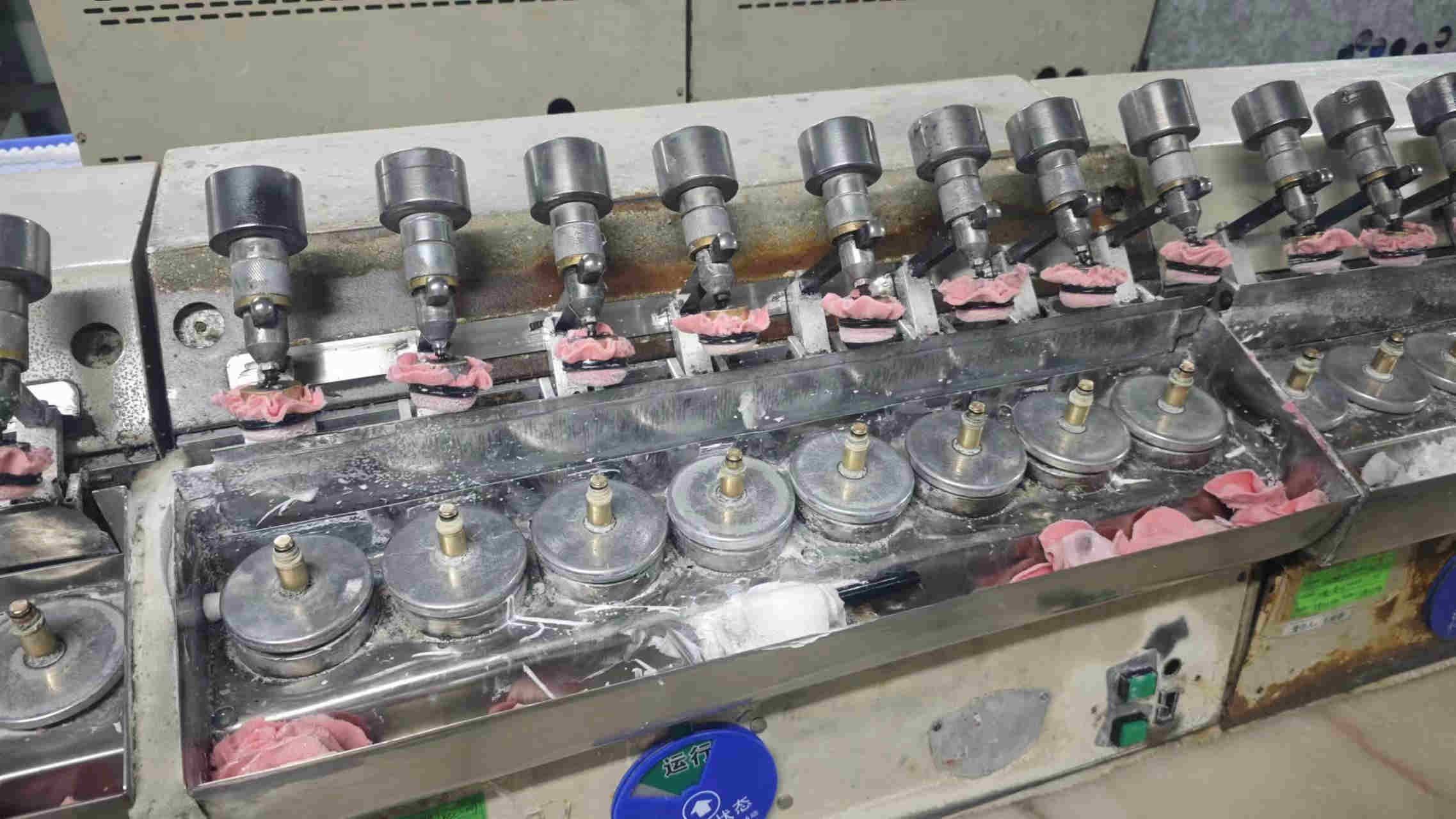
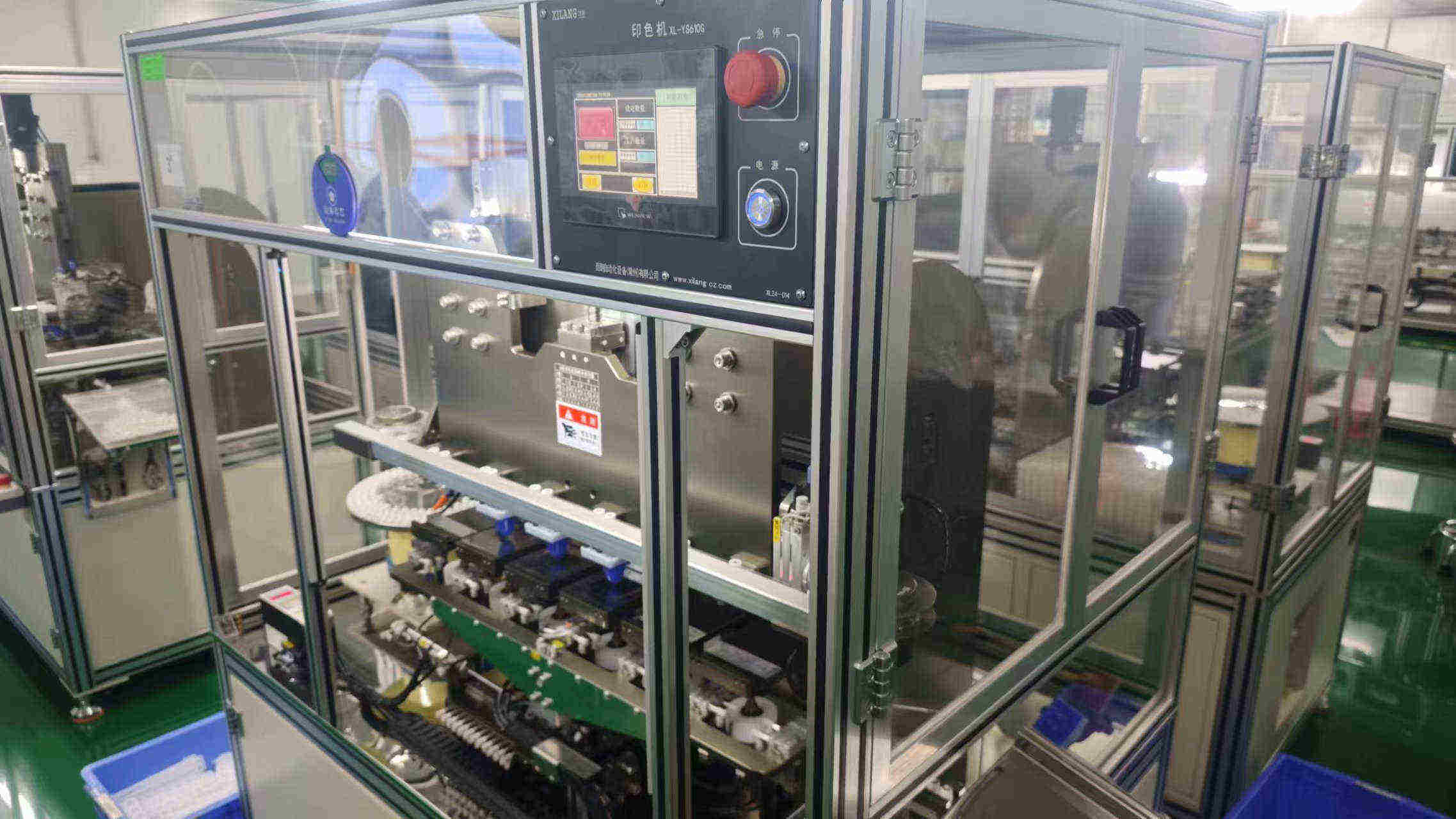
Dongguan Dailylensie Manufacturing Process & Technology Node
A visually documented walk-through of our ISO 13485 certified cleanroom manufacturing facilities and quality control workflow.
China's Supply Chain Resilience & Logistics Efficiency
The manufacturing cluster in Dongguan, Guangdong, offers significant supply-chain advantages for medical devices. Dongguan Dailylensie Co., Ltd. benefits from a robust localized network, sourcing high-purity monomers, customized mold tooling, packaging materials, and sterile blisters within a 50-kilometer radius.
Strategic Supply Chain Advantages:
- Integrated Sourcing: Direct access to local polymer synthesis labs and precision mold makers reduces R&D cycles for custom shapes and parameters.
- Logistics and Shipping: Proximity to major air and sea hubs in Shenzhen, Guangzhou, and Hong Kong enables fast transit and streamlined customs clearance.
- Consistent Pricing: Vertically integrated manufacturing helps stabilize unit costs against shifts in global raw material markets.
OEM Partner Insights: Standard manufacturing pipelines in North America and Europe often require 12 to 16 weeks for custom runs. By optimizing tool changes and automating cast molding, Chinese manufacturers like Dailylensie can compress initial OEM cycles to 6 to 8 weeks, with repeat runs completed in under 30 days.
Localized Applications & Demographic Design Adjustments
A major pitfall for global brands is deploying a single contact lens configuration across diverse geographic regions. Ocular anatomy and aesthetic preferences vary significantly by target market.
Western Markets (US, EU, Canada)
In Western regions, regulatory compliance is paramount, with a strong preference for silicone hydrogel daily disposables. Aesthetic trends favor natural color modifications, such as realistic iris patterns that subtly enhance light-colored eyes. Lenses are typically designed with standard base curves (8.5mm to 8.7mm) and moderate water content (around 38% for monthly silicone hydrogels to maintain structure, or 58% for conventional hydrogel dailies).
East Asian Markets (Japan, South Korea, Mainland China)
East Asian consumers show high demand for cosmetic color contact lenses. In this segment, larger Graphic Diameters (G.DIA of 13.5mm to 14.2mm) are popular to create a magnifying "doll eye" effect. Popular designs include multi-tone gradients, gold-dust inclusions, and distinct limbal rings. Additionally, because the average Asian corneal base curve leans steeper, manufacturers optimize production molds to offer base curves near 8.5mm to 8.6mm to prevent lens slippage.
Middle Eastern & Latin American Markets
These demographics show a strong preference for opaque, high-pigment-density lenses capable of fully covering dark brown irises with bright shades like amber, hazel, emerald, and graphite. Manufacturers must use sandwich-printing technology, enclosing the pigment layers between hydrogel sheets to prevent direct ink contact with the cornea while maintaining light transmission.
Technology Roadmap & Future Outlook
Key material and manufacturing developments guiding the next five years of soft contact lens production.
Biocompatible PC Copolymerization
Integrating Phosphorylcholine (PC) into the hydrogel matrix mimics the natural cell membrane, reducing protein deposition and extending daily comfortable wear time.
High-Definition Edge Profiling
Transitioning from standard edge-cutting to automated micro-molding yields round, uniform lens edges, facilitating tear exchange under the lens.
Smart Lens Integration
Embedding micro-sensors within specialized hydrogels for real-time intraocular pressure monitoring and localized drug delivery.
Sustainable Cleanroom Processing
Adopting closed-loop water filtration and biodegradable packaging material alternatives to reduce the environmental impact of daily disposables.
Regulatory Compliance & Global Quality Standards
Contact lenses are classified as Class II (FDA) or Class IIa/IIb (CE) medical devices. Consequently, factory compliance is a critical step in the importing and registration process.
Key Global Regulatory Standards:
- ISO 13485 Quality Management: Specifies the quality standards required for medical device design, manufacturing, and post-market tracking.
- FDA 510(k) Clearance: Required for commercial distribution in the United States, confirming the device is safe and effective (substantially equivalent to a legally marketed device).
- CE MDR (Medical Device Regulation) Certification: The mandatory regulatory standard for accessing the European Union, requiring extensive clinical evaluation and technical documentation.
- NMPA Registration: The regulatory process for importing contact lenses into mainland China, requiring local clinical trials and testing.
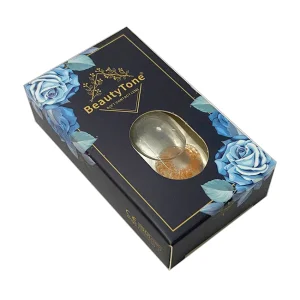
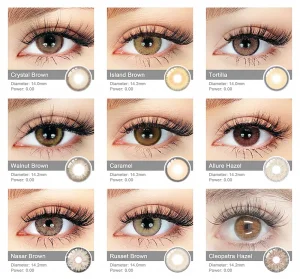
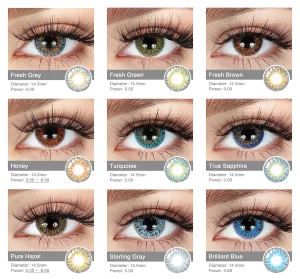
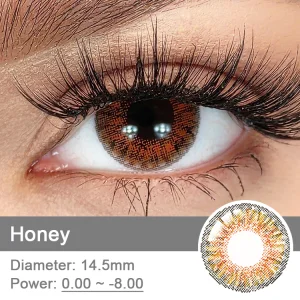
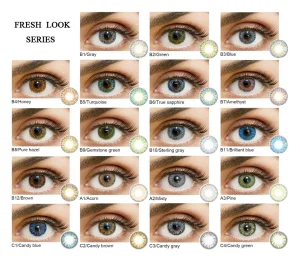
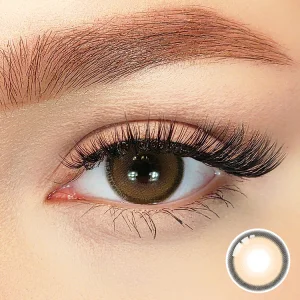
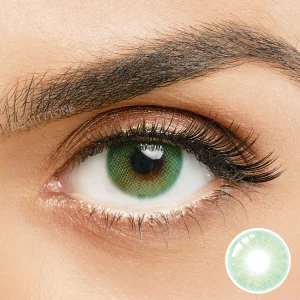
Featured Contact Lens Catalog (B)
Explore additional specialized packaging options, custom color lenses, and daily-wear hydrogel designs.
Frequently Asked Questions (FAQ)
Technical and regulatory insights for contact lens sourcing and distribution.