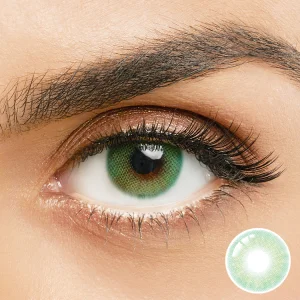
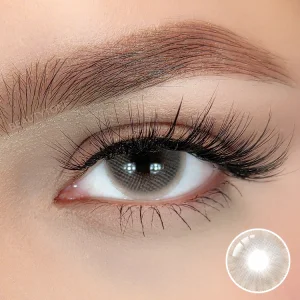
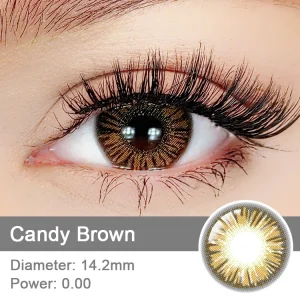
Featured Vision Enhancement Solutions
High-transmissibility daily, monthly, and yearly cosmetic contact lenses crafted to medical-grade standards.
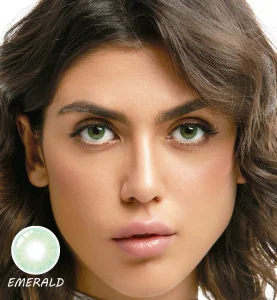
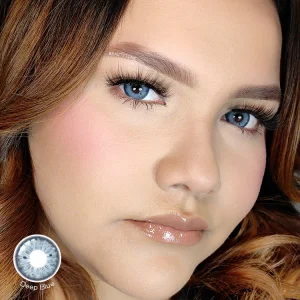
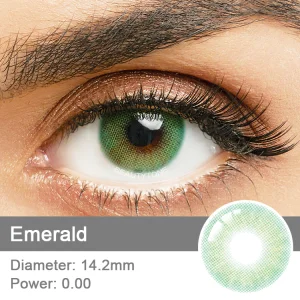
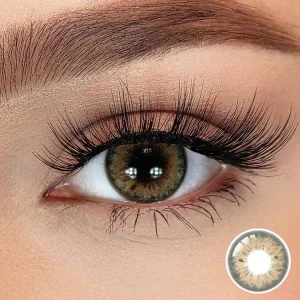
Who We Are | Dongguan Dailylensie Co., Ltd.
Bridging the Gap Between Medical-Grade Manufacturing Precision and Cutting-Edge Eye Aesthetics
At Dongguan Dailylensie Co., Ltd., we are a premier, state-of-the-art contact lens factory specializing in full-service OEM/ODM and private-label solutions for the global optometry and cosmetics markets. Based in the industrial hub of Dongguan, China, we operate under rigorous medical device guidelines to produce high-performance, CE-certified contact lenses.
We don't just manufacture lenses; we bring vision to life. Our facility features fully automated production lines and an in-house design lab capable of executing complex, multi-tone color gradients and custom patterns that align with current beauty trends. Safety and comfort remain our bedrock—every lens undergoes rigorous automated cosmetic inspection, microscopic laser diagnostics, and hydration testing in our Class 100,000 certified cleanrooms.
Whether you are an established optical brand looking for a stable supply chain or a rising beauty influencer launching your first colored lens line, we provide flexible MOQ options, streamlined regulatory support, and reliable global shipping. Partner with us to experience manufacturing transparency and product excellence.
Key Pillars of Our Manufacturing Philosophy
- Regulatory Rigor: Complete CE (MDR) certification, ISO 13485:2016 management standards, and absolute biocompatibility profile validation (ISO 10993).
- Advanced Polymer Formulations: Utilizing Hydrogel and HEMA-based matrices optimized for tear exchange and oxygen permeability (Dk/t).
- Patented Double Sandwich Printing: Encapsulating color layers completely inside the lens material, preventing direct contact with the cornea or palpebral conjunctiva.
- Supply Chain Resilience: Comprehensive raw material redundancy, vertical process ownership, and rapid containerized shipping.
Scientific Analysis: Engineering Enhanced Vision Contact Lenses
A deep dive into biocompatible polymer chemistry, micro-topographical optimization, and safety architecture.
Contact lenses are classified as class IIa/IIb medical devices because they sit directly on the cornea, an avascular tissue that relies entirely on atmospheric oxygen and tear circulation to sustain cellular health. Developing "Enhanced Vision" lenses requires balancing physical structure, chemical stability, and cosmetic brilliance.
Information Gain Insight: Modern contact lenses are no longer simple optical refractors. They are biocompatible micro-membranes designed to support tear film dynamics while protecting the ocular surface from environmental stress. Our manufacturing focus centers on mitigating hypoxia and mechanical friction through advanced surface technologies.
1. Material Science: Polymers and Hydration
We utilize advanced HEMA (2-hydroxyethyl methacrylate) polymers copolymerized with agents like MAA (methacrylic acid) or NVP (N-vinyl pyrrolidone) to optimize hydration retention. The water content is engineered to remain stable at 38% to 42%, which preserves shape retention and minimizes tear film absorption—preventing dryness in high-demand environments. For our premium range, silicone hydrogel materials offer elevated oxygen transmissibility (Dk/t) to maintain corneal health during extended wear cycles.
2. Oxygen Transmissibility (Dk/t) and Tear Flow
Atmospheric oxygen must pass through the lens to reach the corneal epithelium. Our high-tech manufacturing processes control edge profiles to a microscopic degree. By engineering a tapered edge profile, we facilitate tear film replenishment during every blink. This dynamic tear exchange actively flushes metabolic waste and introduces fresh oxygen, reducing the risks of corneal vascularization and conjunctival hyperemia.
Technical Performance Comparison
| Material Category | Water Content (%) | Oxygen Permeability (Dk/t) | Surface Wetting Angle | Core Application |
|---|---|---|---|---|
| Hydrogel (HEMA-based) | 38% - 42% | 12 - 20 | < 45° (High comfort) | Daily Cosmetic / Multi-tone Graphic Lenses |
| High-Water Hydrogel | 55% - 58% | 25 - 32 | < 40° (Ultra-wetting) | Comfort-sensitive Daily Wear Users |
| Silicone Hydrogel (Si-Hy) | 33% - 45% | 80 - 120 | < 50° (Surface treated) | Extended Wear / Medical Therapeutic Applications |
China Factory 4.0: Supply Chain Resilience & Automation
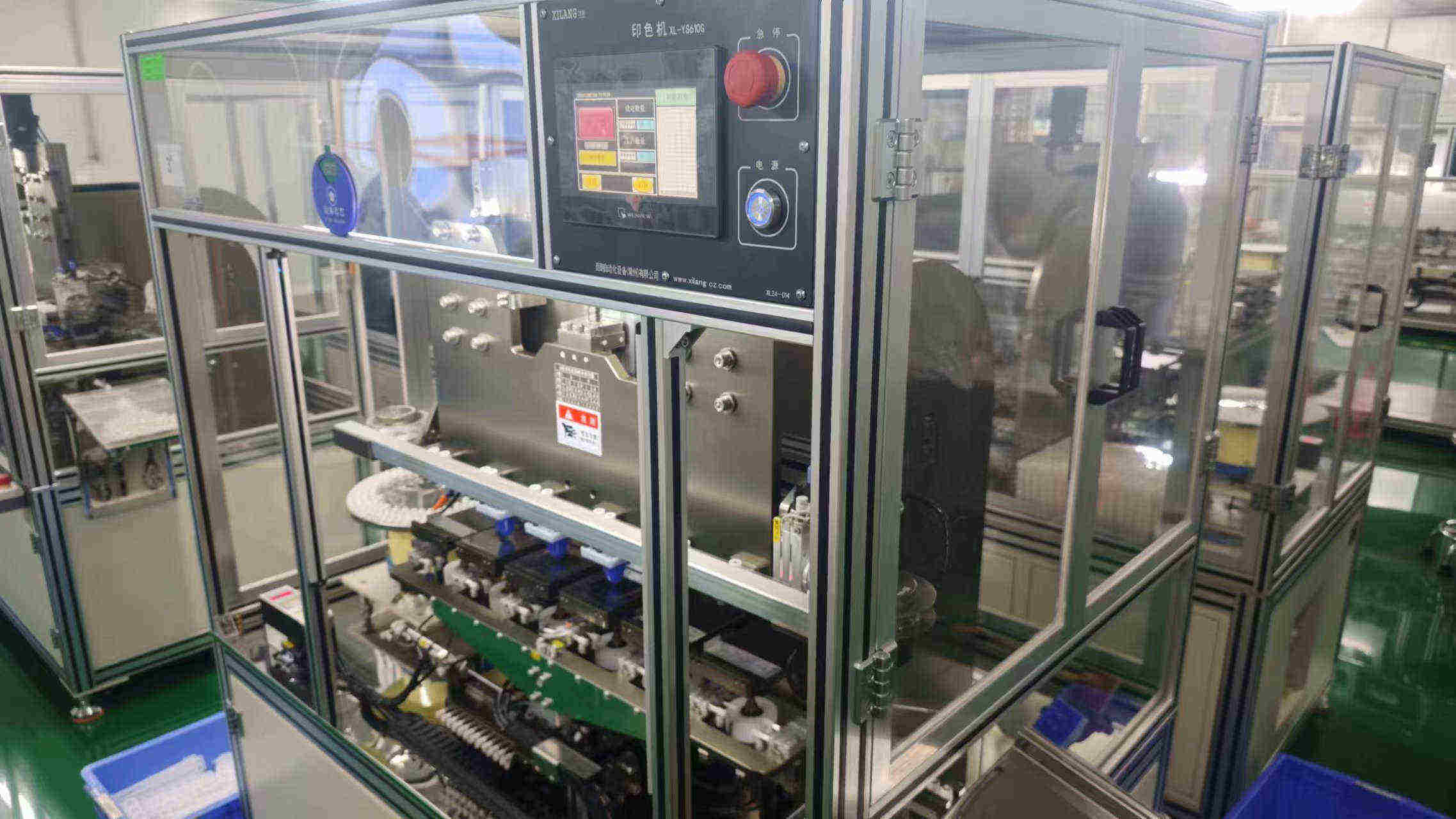
Visual breakdown of our end-to-end medical-grade production line at Dongguan Dailylensie Co., Ltd.
Printing Process
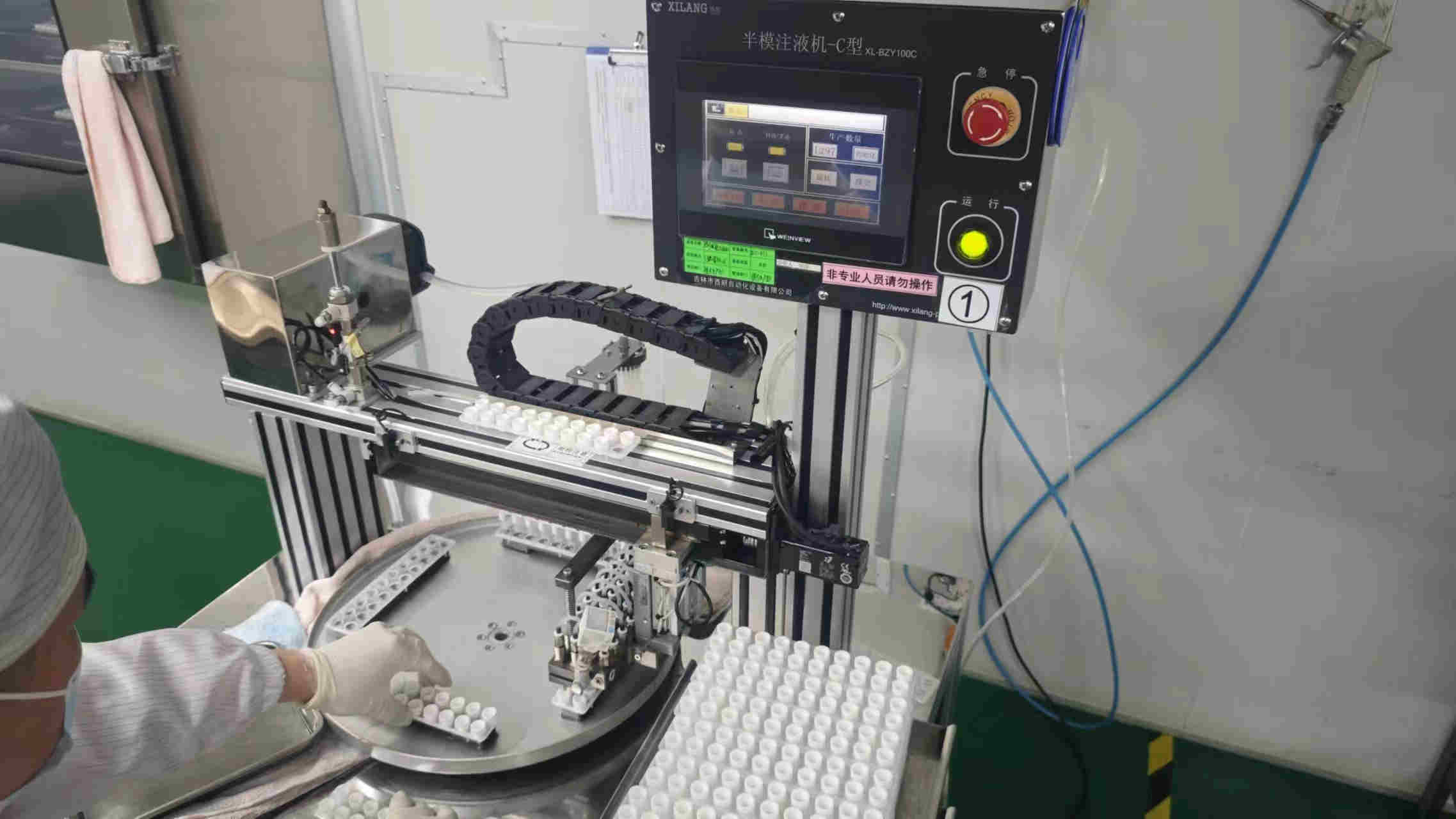
Liquid Injection
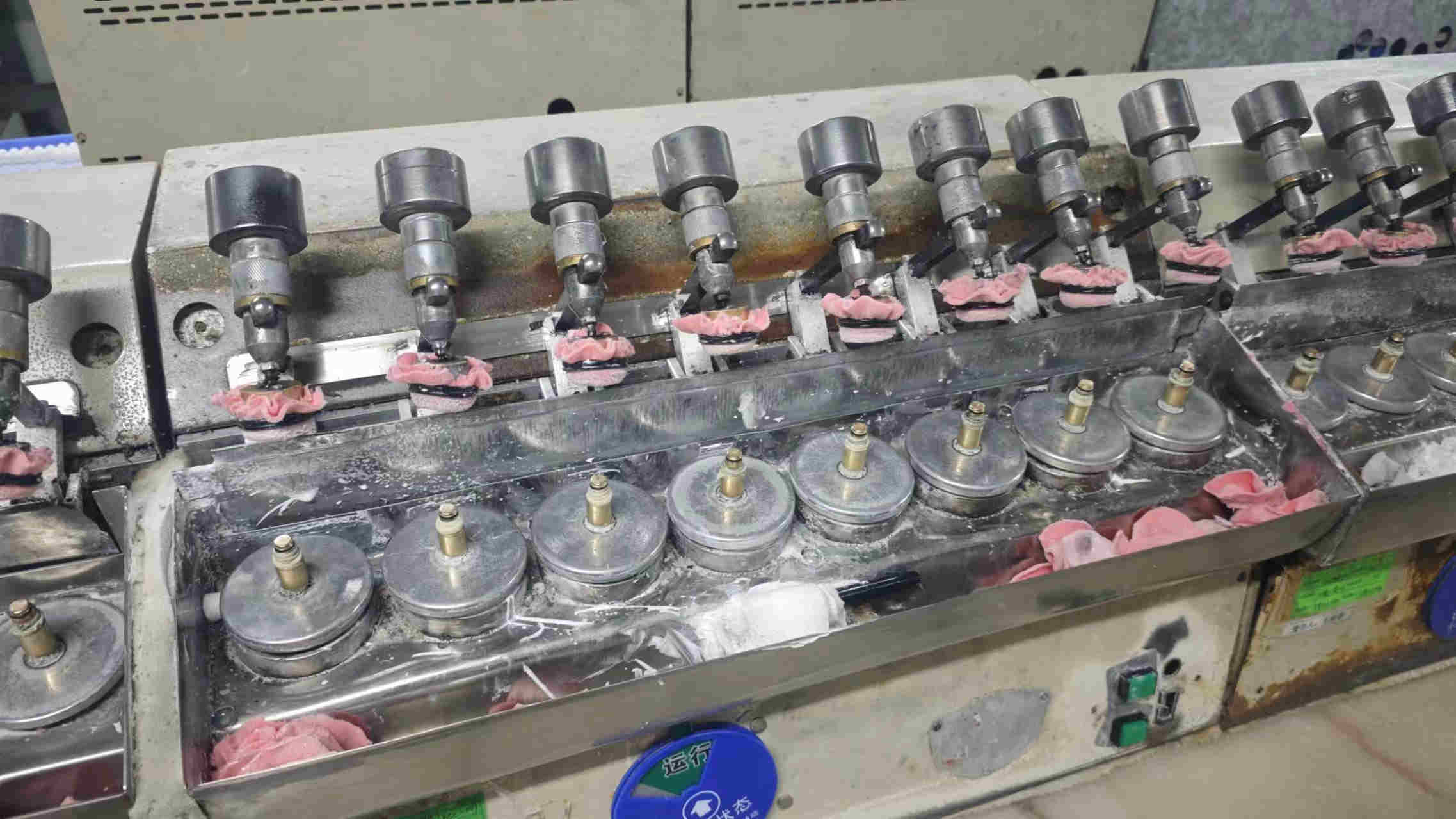
Polish
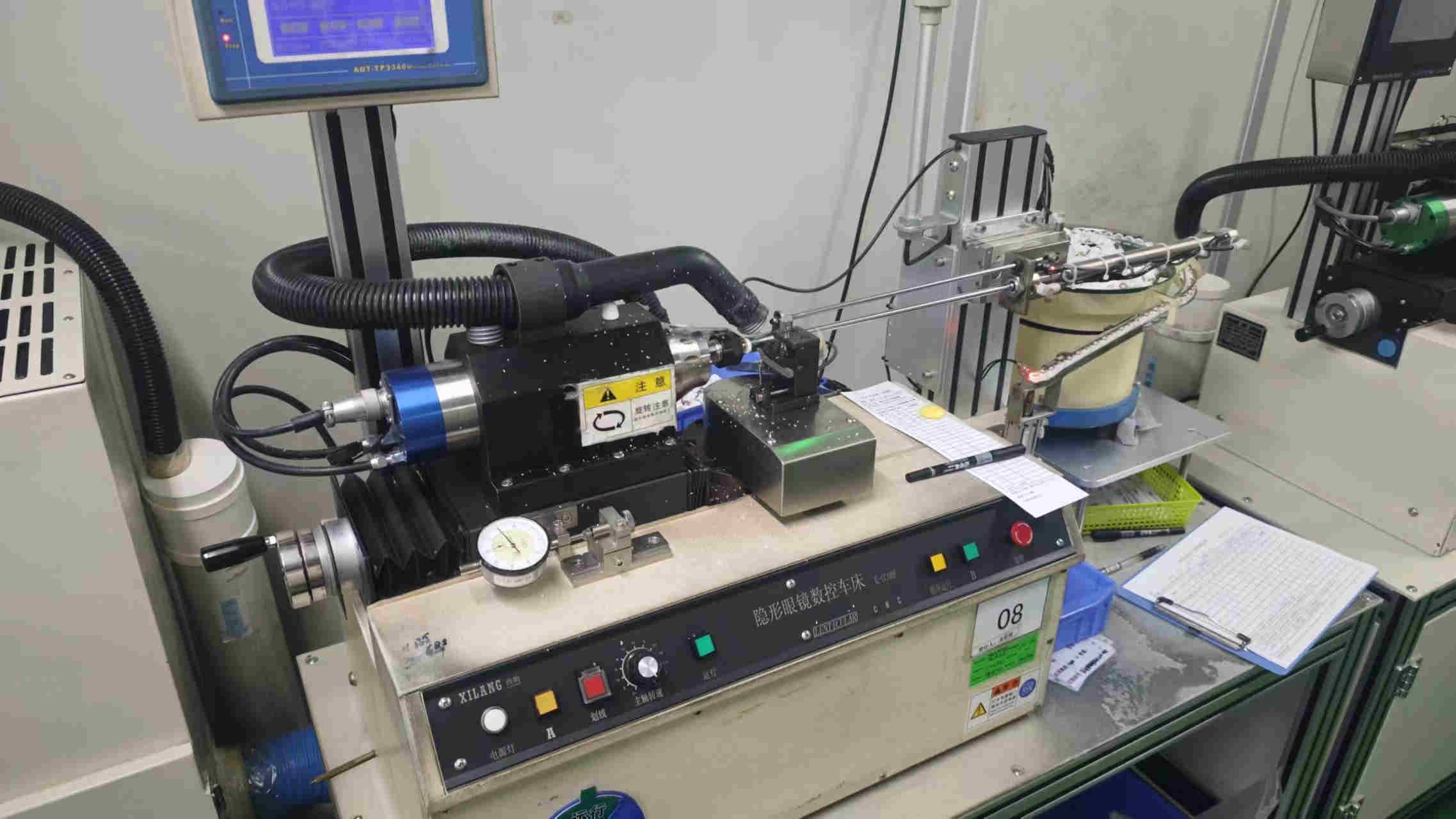
Cutting
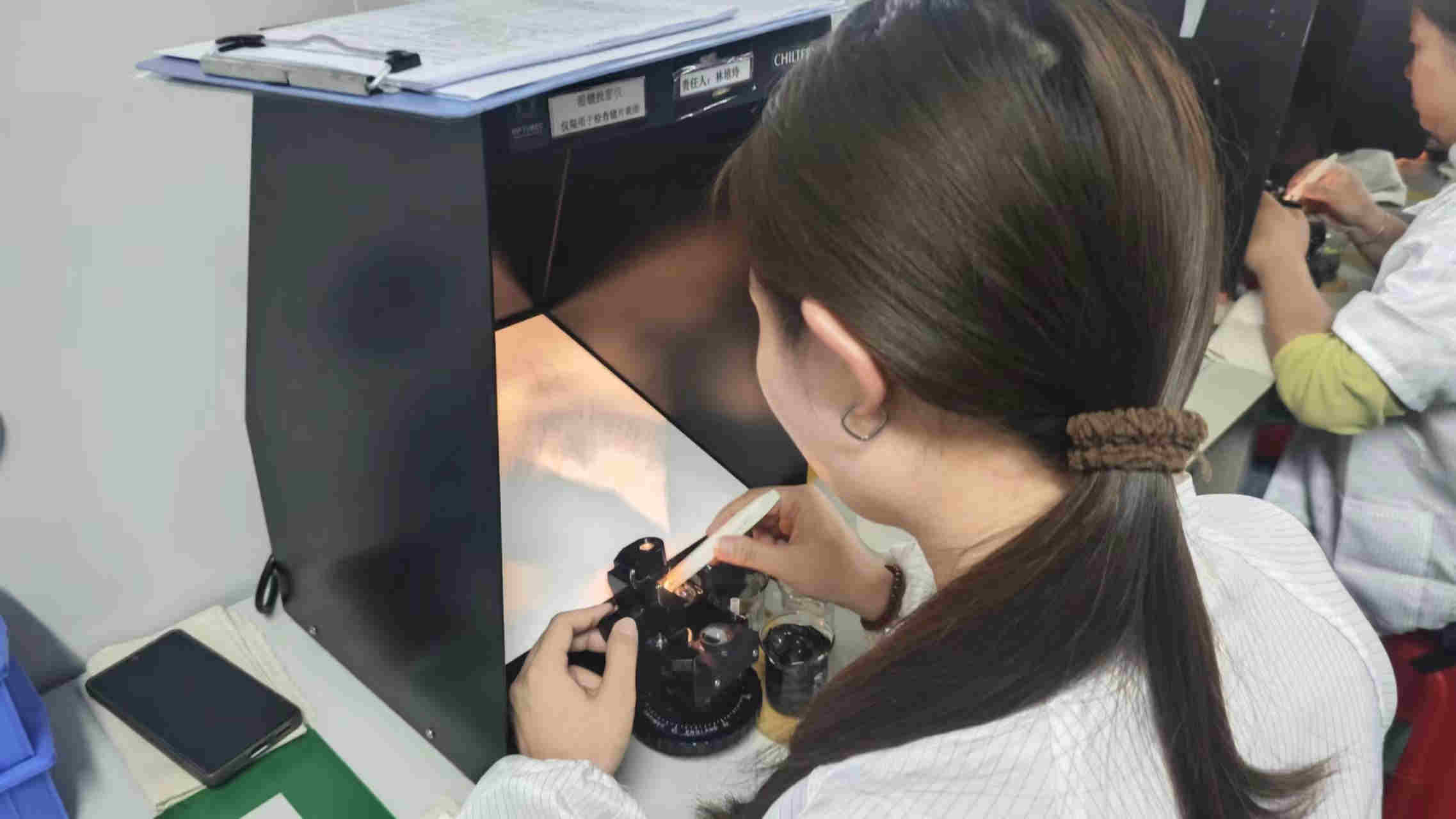
In-line Inspection
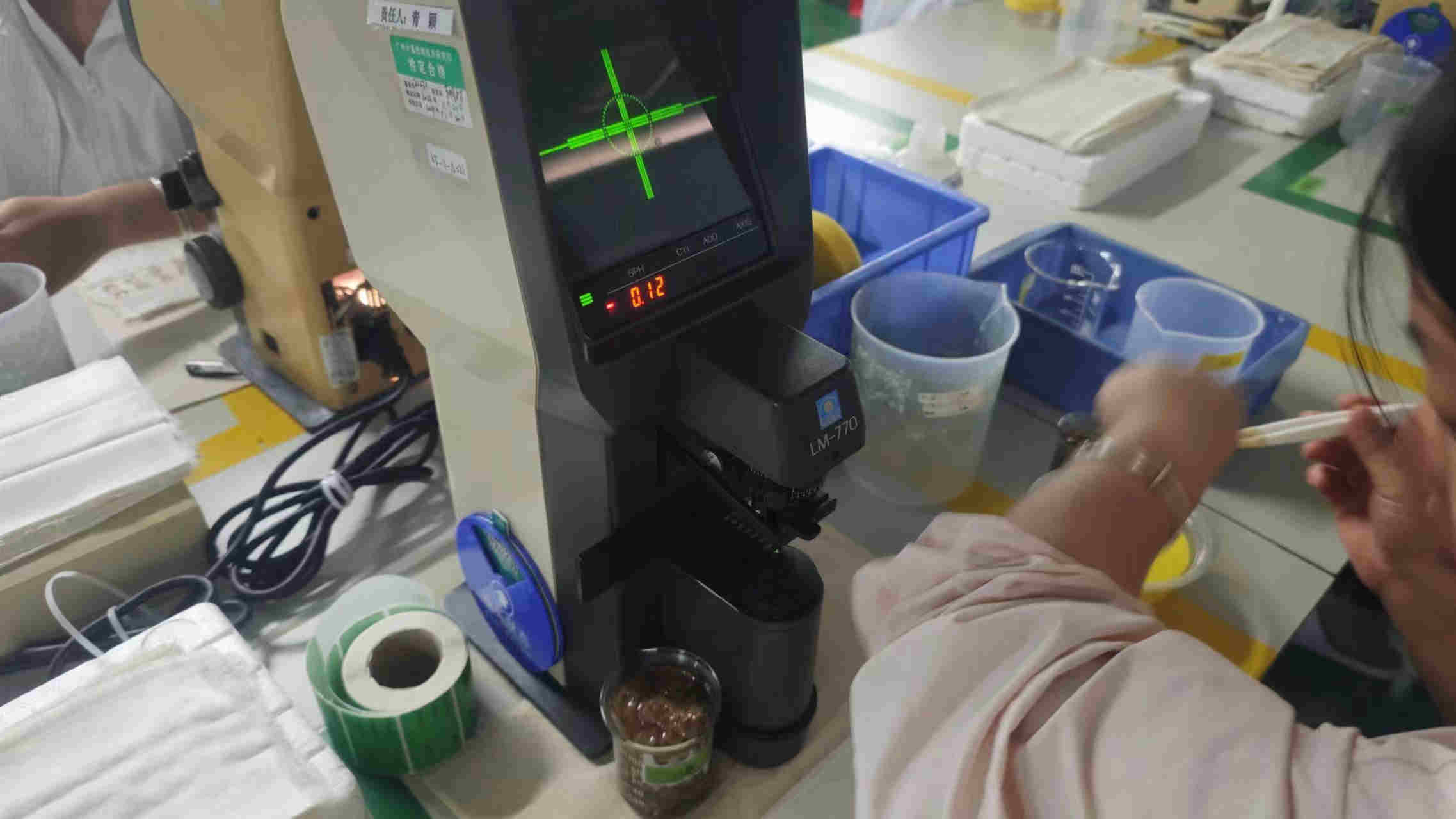
Optical Inspection
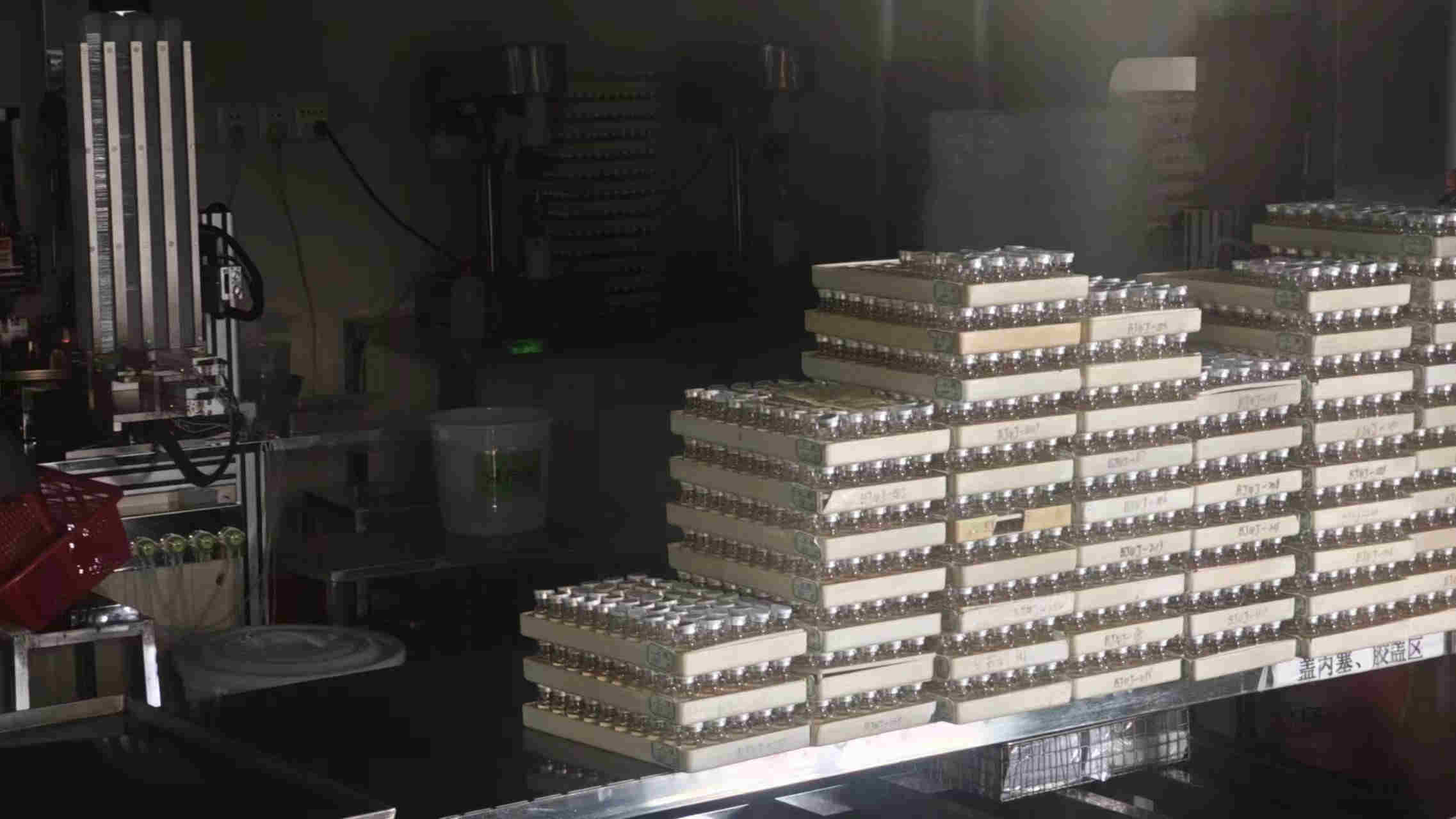
Packing
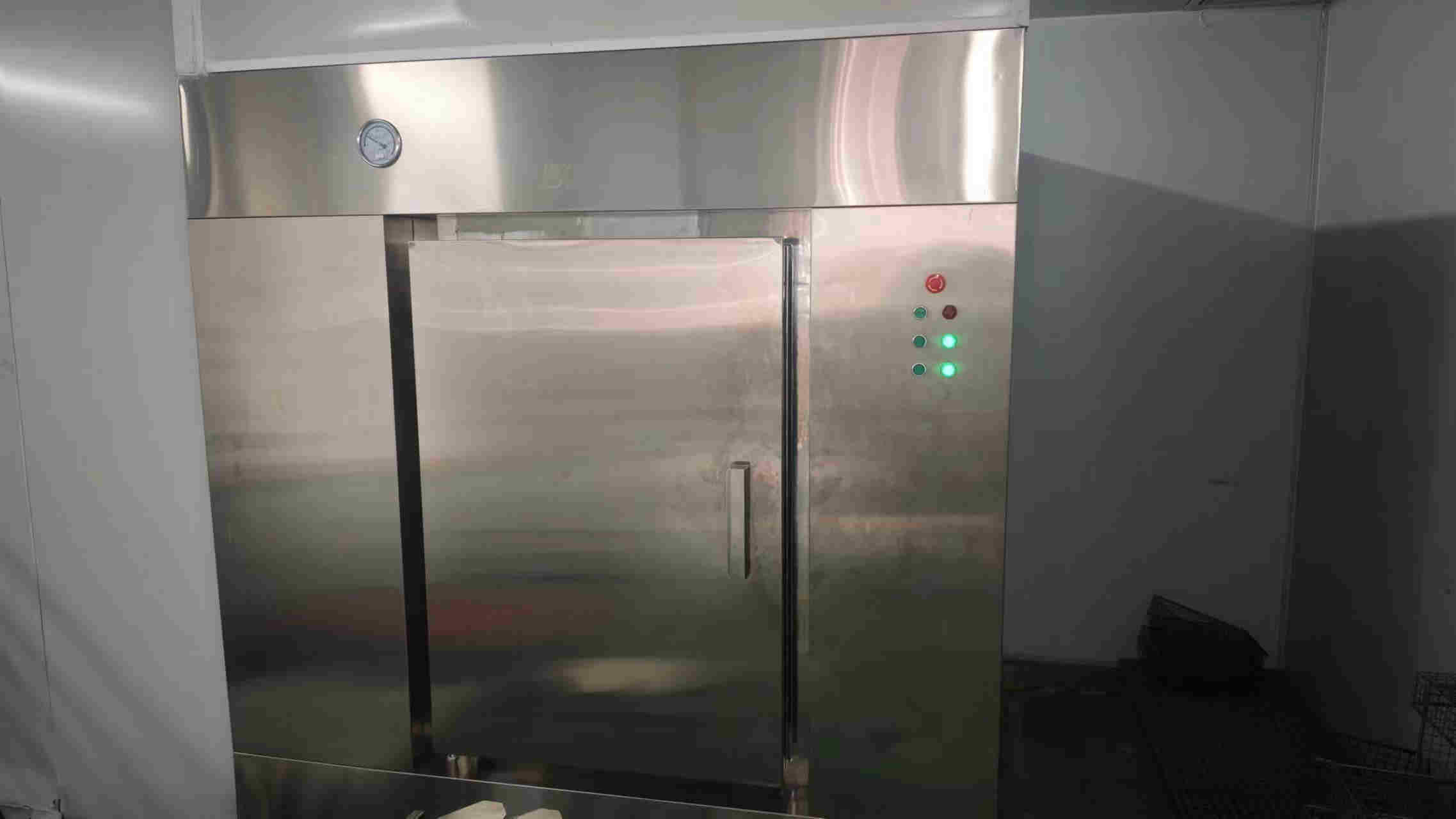
Sterilization
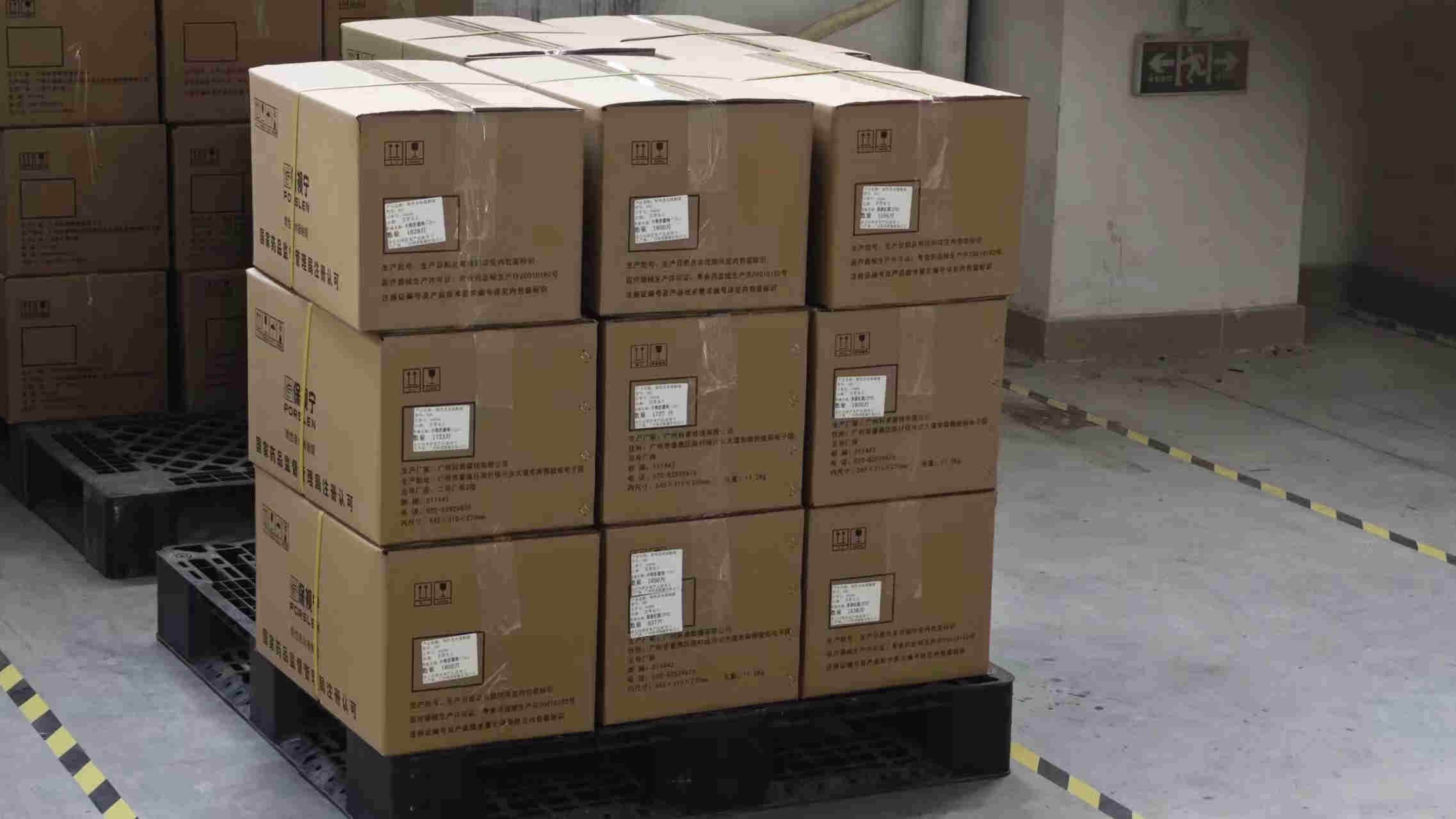
Finished Products
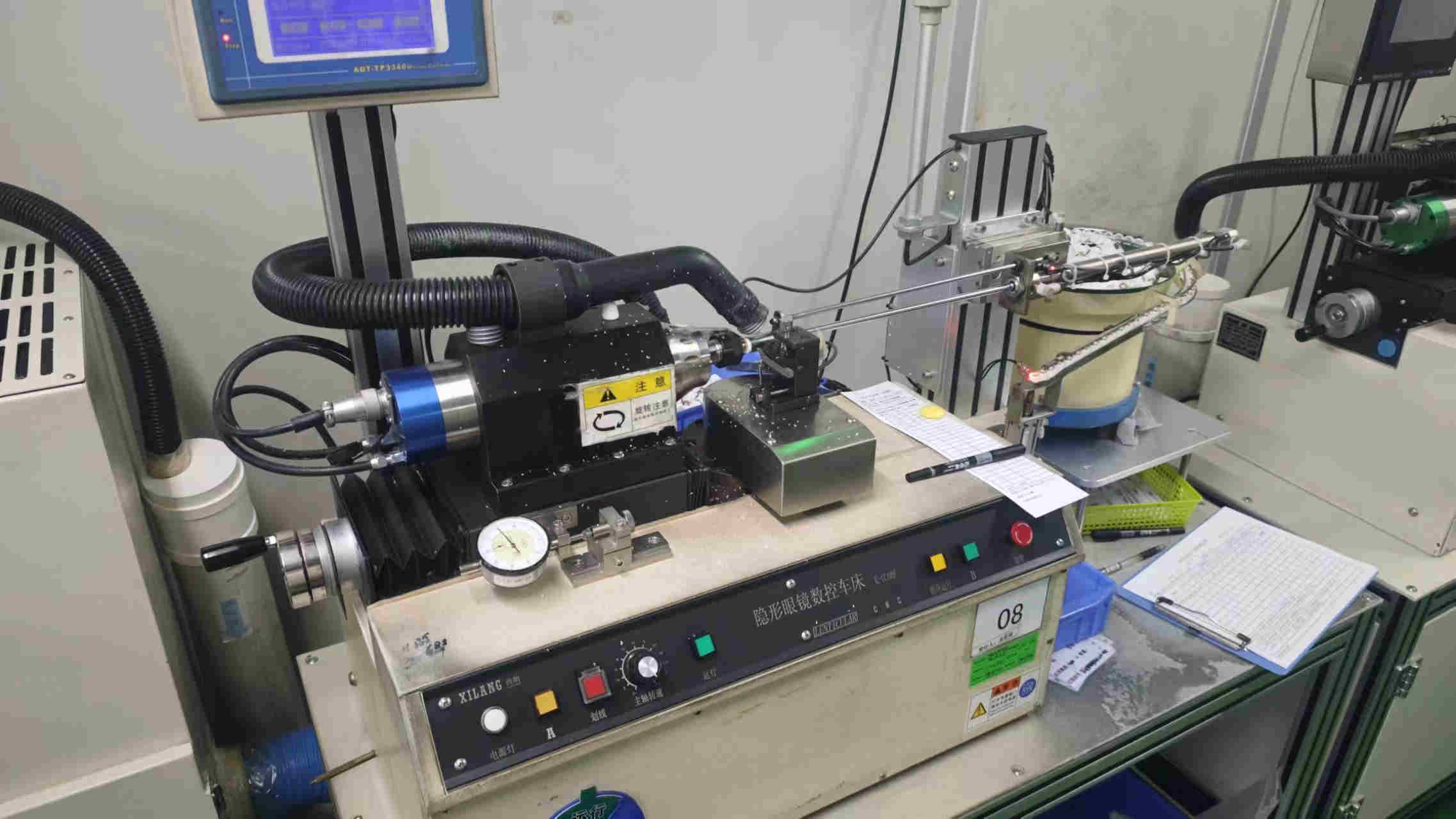
Cutting Machine
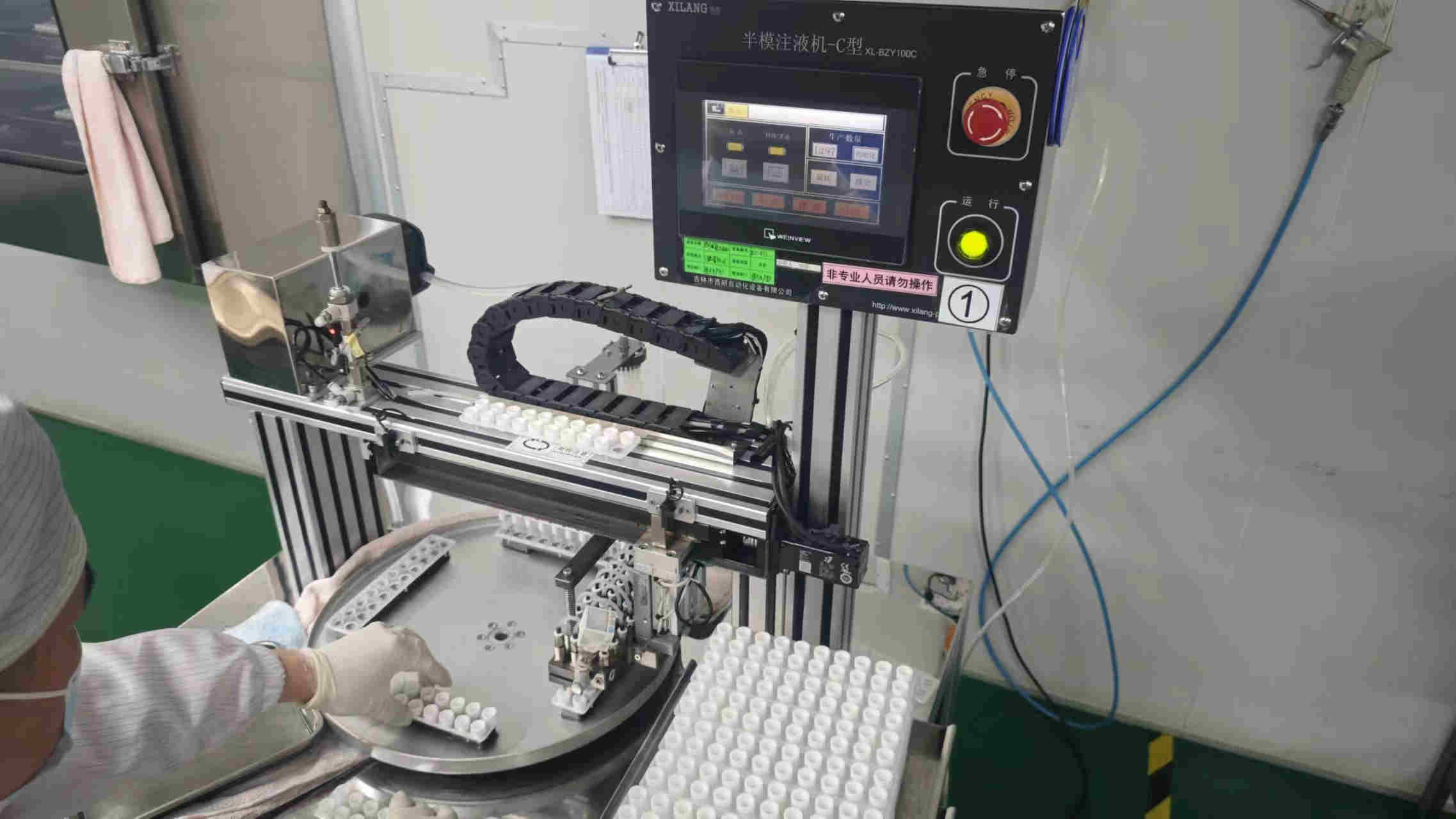
Injection System
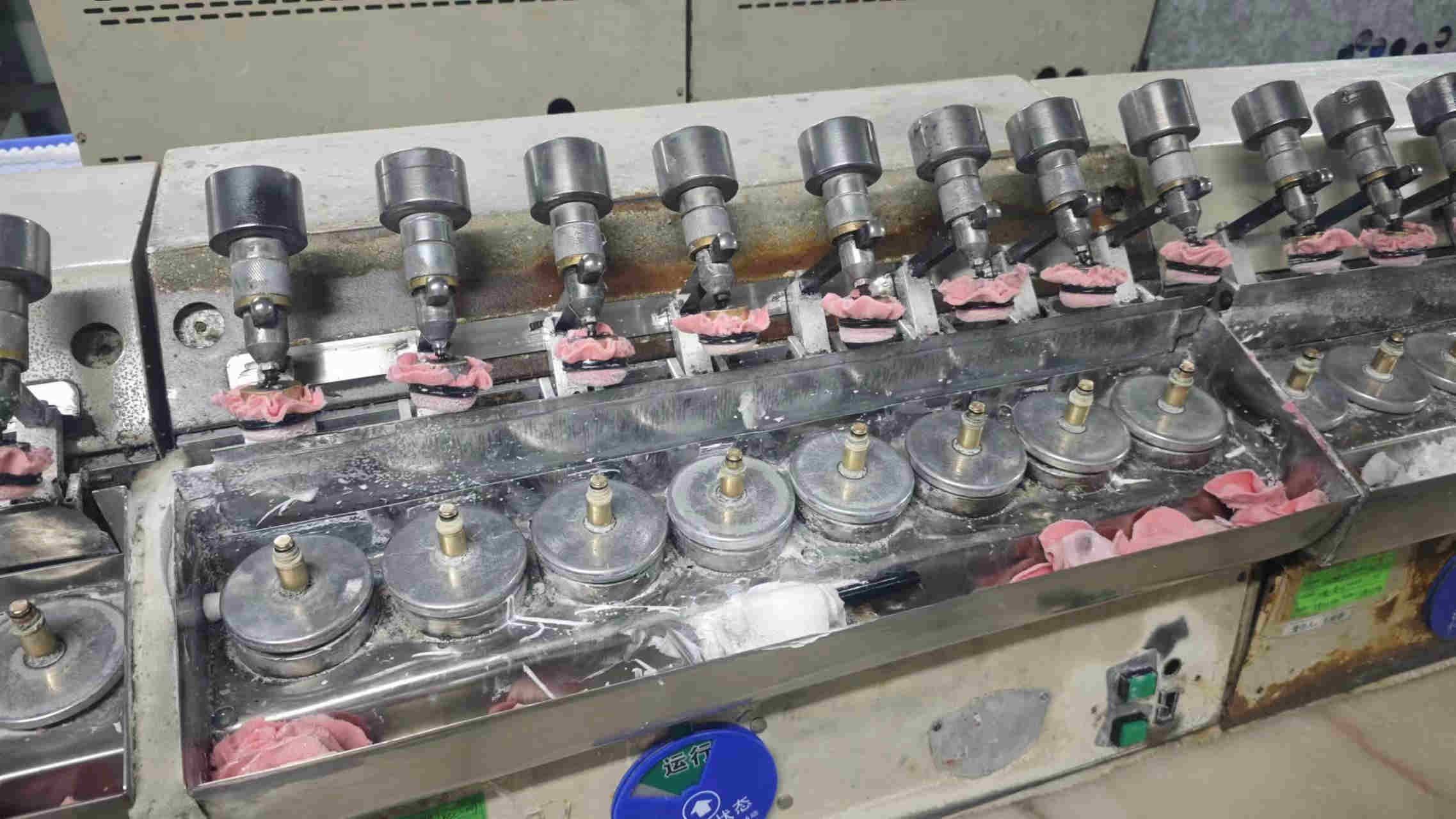
Polish Machine
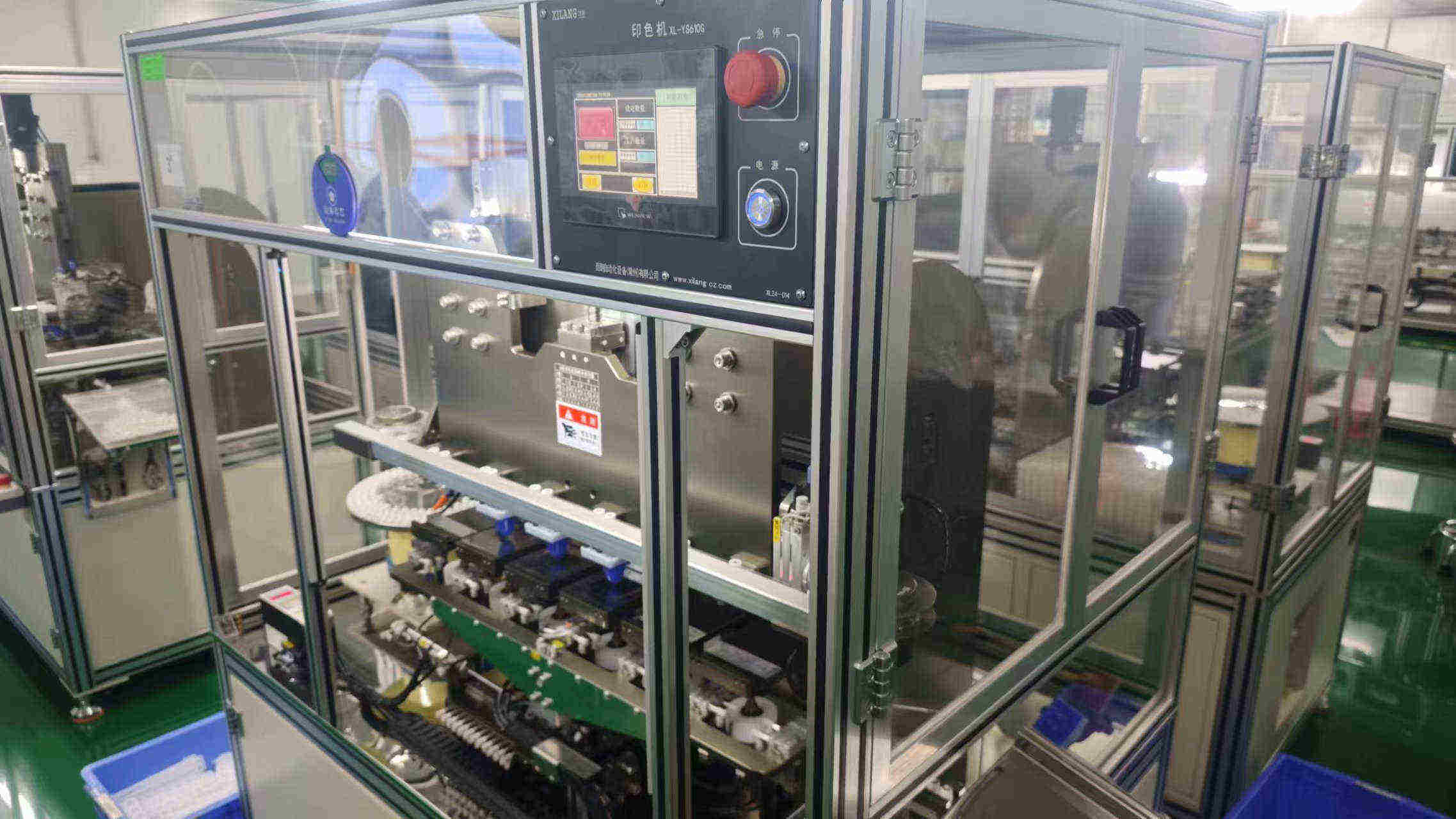
Printing Machine
Our manufacturing plant combines precision engineering with automated production. Our workflow spans mold design, material formulation, automated printing, high-temperature polymerization, optical inspection, sterilization, and secondary packaging. By integrating digital tracking systems throughout the process, we guarantee complete traceability for every batch exported worldwide.
Technical Roadmap & Future Outlook
Anticipating the next generation of smart and sustainable contact lens technologies.
The contact lens industry is evolving from passive corrective elements to active physiological monitoring tools. Dongguan Dailylensie Co., Ltd. is actively investing in research and development to align with emerging global trends. Below is our technology roadmap for the next three to five years:
Smart & AR Contact Lenses
Developing micro-electronic integrations to embed passive sensors into hydrogel layers. These sensors monitor biomarkers in the tear film, such as glucose levels and intraocular pressure (IOP) for early glaucoma management.
Eco-Friendly Manufacturing
Transitioning to bio-based monomer formulations and reducing thermoplastic mold waste. We are working to reuse mold materials within secondary non-medical applications, aiming for a carbon-neutral production cycle.
Advanced Dryness Defense
Implementing biomimetic surface coatings that replicate the lipid bilayer of natural tear films. This technology locks in moisture for extended wear times, preventing dry eye syndrome for heavy screen users.
Regulatory Compliance & Licensing
Navigating international requirements to ensure seamless customs clearance and market entry.
Exporting contact lenses requires meeting strict local regulations. Our certification and compliance support team works closely with global distributors to simplify the registration process.
- CE (MDR 2017/745): Meets the requirements of the new European Medical Device Regulation.
- ISO 13485:2016: Certified Quality Management System specific to medical device manufacturing.
- FDA & National Registrations: Technical documentation support for U.S. 510(k) applications, NMPA, SFDA, and MHRA.
- Biocompatibility Testing: All materials undergo systemic toxicity, ocular irritation, and cytotoxicity testing under ISO 10993 standards.
Global Distribution Channels
We provide end-to-end localization support, offering translated packaging designs, customized outer box printing, and localized compliance declarations. Our logistics partners specialize in cold-chain and temperature-stable shipping, ensuring product stability during transport across different climates.
Global Procurement & OEM/ODM Workflow
From formulation design and prototype sampling to high-volume manufacturing and logistics.
Design & Material Selection
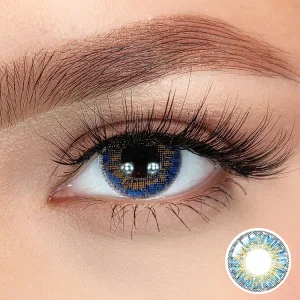
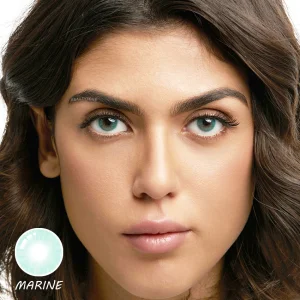
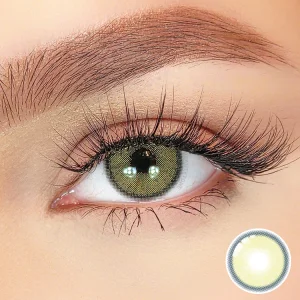
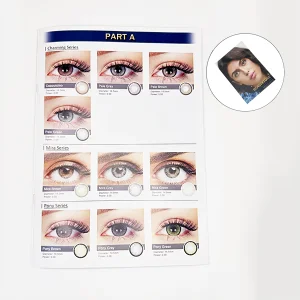
Choose from our catalog of over 200 cosmetic print patterns or work with our design lab to create custom color combinations and lens profiles tailored to your target market.
Sampling & Compliance Check
We produce physical prototypes for biocompatibility, fitment, and color density testing. We compile safety data sheets (SDS) and certificate dossiers to support your regulatory applications.
Production & Quality Control
Orders move to automated casting, curing, sterilization, and secondary packaging. Every production batch undergoes strict quality control and sample archiving before shipping.
Frequently Asked Questions
Expert technical answers regarding materials, manufacturing, regulations, and custom options.
Explore Our Full Range
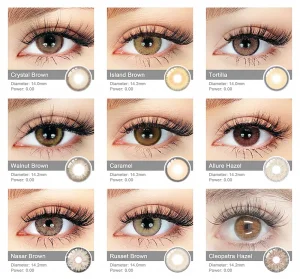
Additional specialized styles and wholesale catalogs from our export inventory.