When it comes to vision correction, Prescription Contact Lenses are a popular choice for many. Dr. Emily Rosenthal, an optometrist with over ten years of experience, emphasizes the importance of personalized fitting. She states, "The right Prescription Contact Lenses can enhance both comfort and vision quality."
Choosing the right lenses can feel overwhelming. There are various options available, each tailored to specific needs. Factors like eye shape, lifestyle, and vision requirements play a critical role in the selection process. Many people overlook these details, resulting in discomfort or ineffective vision correction.
Consulting with a qualified eye care professional is essential. They can guide you through the nuances of Prescription Contact Lenses. It's not just about prescription strength; it's about finding lenses that fit well and suit your daily activities. Make sure to ask questions and express any concerns during your appointment. Understanding your options can lead to better choices and ultimately improve your vision experience.
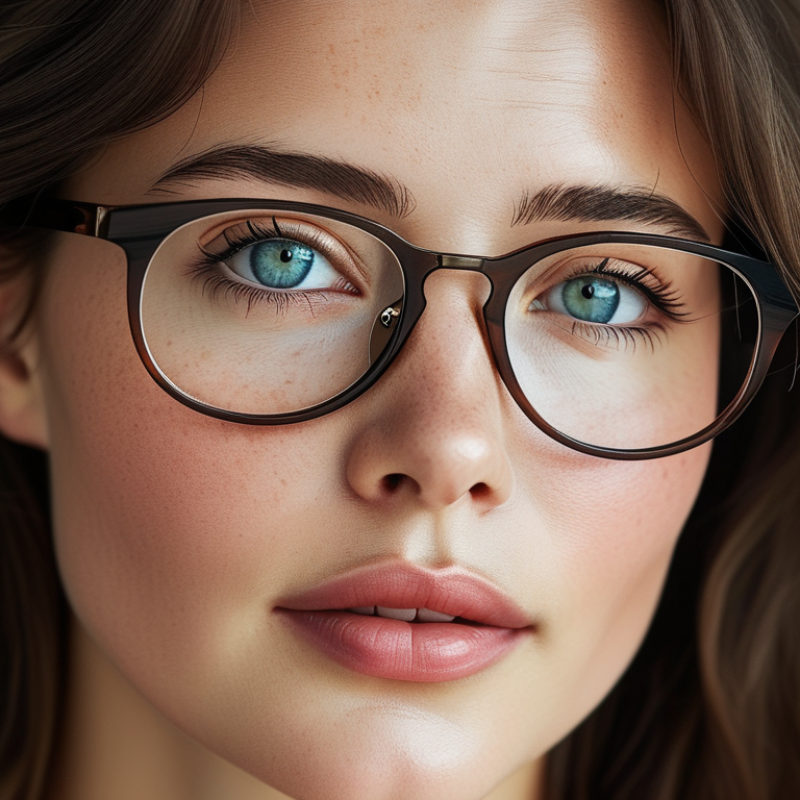
Prescription contact lenses are designed to correct various vision problems. They are customized for individual needs based on an eye examination by an eye care professional. According to the American Optometric Association, about 40 million Americans wear contact lenses. This statistic highlights their popularity, especially among those seeking an alternative to glasses.
The lenses come in various types, including soft, rigid gas permeable, and specialty lenses for specific conditions. A report by Grand View Research notes that the global contact lens market was valued at over $11 billion in 2022. This growth reflects an increasing demand for vision correction options. Many wearers prefer contacts for convenience during sports or daily activities.
Choosing the right lenses involves considering several factors. Eye shape, lifestyle, and specific vision needs play crucial roles. Consulting an optometrist is essential for finding the best fit. However, some users face challenges with discomfort or lens maintenance. These issues remind us to prioritize eye health and proper usage. Regular check-ups can help ensure optimal lens function and comfort.
Prescription contact lenses are essential for many individuals with vision impairments. They come in various types, each tailored to specific needs.
Soft contact lenses are among the most popular choices. They are comfortable and easy to adapt to. These lenses can correct several vision issues, including myopia and hyperopia. Daily disposables are a convenient option for those who prefer replacing their lenses regularly.
Rigid gas permeable (RGP) lenses offer a different experience. They provide sharper vision than soft lenses but may require a longer adjustment period. RGP lenses are durable and can last longer, making them a suitable choice for users who prioritize longevity.
Tips: Always consult an eye care professional before choosing lenses. They can provide a proper fitting and assess your eye health. Experimenting with different types is okay. It helps to determine which one is best for you.
Toric contact lenses are specifically designed for astigmatism. They have unique shapes that help correct uneven curvature of the eye. Lastly, multifocal lenses cater to those needing both near and far vision correction. Understanding the options available can lead to better choices for your eye care.
Choosing prescription contact lenses involves several important factors. Vision correction is the primary reason people wear them. A report by the American Optometric Association states that over 30 million Americans use contact lenses. Comfort and fit are critical aspects. Ill-fitting lenses can cause discomfort and even damage the eye. Regular eye exams, ideally every one to two years, help ensure the lenses meet your vision needs.
Additionally, materials and lens types impact your experience. Soft lenses are more popular due to their comfort and ease of adaptation. However, rigid gas-permeable lenses offer sharper vision and can correct more severe vision issues. It's essential to discuss your lifestyle with an eye care professional, who can guide you on the best options based on your daily activities and eye health.
Also, consider maintenance requirements. Some lenses require daily cleaning, while others are designed for extended wear. Proper hygiene is vital to prevent infections, as a study showed that nearly 19% of contact lens wearers experience eye complications. It’s crucial to balance your lifestyle, comfort, and eye health when choosing lenses. Taking time to weigh these factors can lead to a more satisfying wearing experience.
Choosing the right prescription contact lenses is crucial for eye health and comfort. Properly fitting your lenses involves seeking guidance from an eye care professional. They will assess your vision needs and ocular shape. This is important because each person's eyes are unique, and the wrong fit can lead to discomfort or even damage.
Caring for contact lenses requires diligence. Always wash your hands before handling them. Use a recommended cleaning solution and be cautious about the expiration dates. Replace lenses as instructed to avoid infections. It’s easy to overlook this aspect during a busy day, but neglecting care can have serious consequences. Always prioritize eye health and pay attention to any discomfort or changes in vision. It’s better to consult a professional than to ignore potential issues.
When you schedule a consultation with an eye care professional, expect a thorough examination of your eyes. This initial visit often involves checking your vision and assessing the health of your eyes. Your doctor may ask about your lifestyle, visual habits, and specific preferences for contact lenses. This information helps them recommend the best options for you.
During the consultation, you will discuss your daily routines and any eye issues you may have. Be prepared to answer questions about your work environment and hobbies. The professional may suggest different types of lenses, such as daily disposables or colored options, based on your needs. They might also perform tests to measure your cornea's shape and your tear film quality.
It can feel overwhelming to choose the right lenses. You may feel unsure about what style suits you best. It's essential to communicate openly with your eye care specialist. Ask questions, voice concerns, and express any hesitations. Remember, this is about finding the right fit for your eyes, and collaboration is key. Engaging in these conversations can lead to a more personalized experience.
: There are soft lenses, rigid gas permeable lenses, toric lenses for astigmatism, and multifocal lenses.
They are comfortable, easy to wear, and correct multiple vision problems effectively.
Daily disposables should be replaced every day for optimal hygiene and comfort.
They provide sharper vision but may take longer to get used to.
An improper fit can cause discomfort and even damage to your eyes.
Always wash your hands thoroughly to avoid contaminating the lenses.
Use a recommended cleaning solution and follow replacement schedules carefully.
It can lead to infections and serious complications affecting your eye health.
They assess individual needs and can help find the best lens options for you.
Yes, experimenting can help you find the most suitable lenses for your vision.
Prescription contact lenses are specially designed lenses prescribed by eye care professionals to correct vision impairment. They come in various types, including soft lenses, rigid gas permeable lenses, and specialized lenses for astigmatism or presbyopia. When choosing prescription contact lenses, it's essential to consider factors like lens material, replacement schedule, and personal comfort.
Proper fitting and care of contact lenses are crucial for eye health, ensuring they sit correctly on the eye and are maintained hygienically. Consulting with an eye care professional is an important step in the process, as they can provide guidance on the best options suited for your needs, answer questions about lens care, and help monitor your eye health over time. By understanding the intricacies involved in selecting and caring for prescription contact lenses, wearers can enjoy clearer vision and enhanced comfort.
