Choosing the right contact lenses can significantly enhance your vision. High Definition Contact Lenses are designed for ultimate clarity and comfort. They use advanced technology to provide sharper images and better color contrast. This can make a noticeable difference in daily activities, from reading to driving.
When considering these lenses, it’s important to evaluate your specific needs. Factors such as your eye shape, prescription, and lifestyle should all play a role in your decision. Not all lenses fit every individual perfectly. You may experience trials before finding the ideal match.
Expert advice can be invaluable in this process. Consulting with an eye care professional ensures that you understand the options available. They can guide you in choosing lenses that maximize your visual experience while maintaining comfort. High Definition Contact Lenses may just be the clarity upgrade you need.
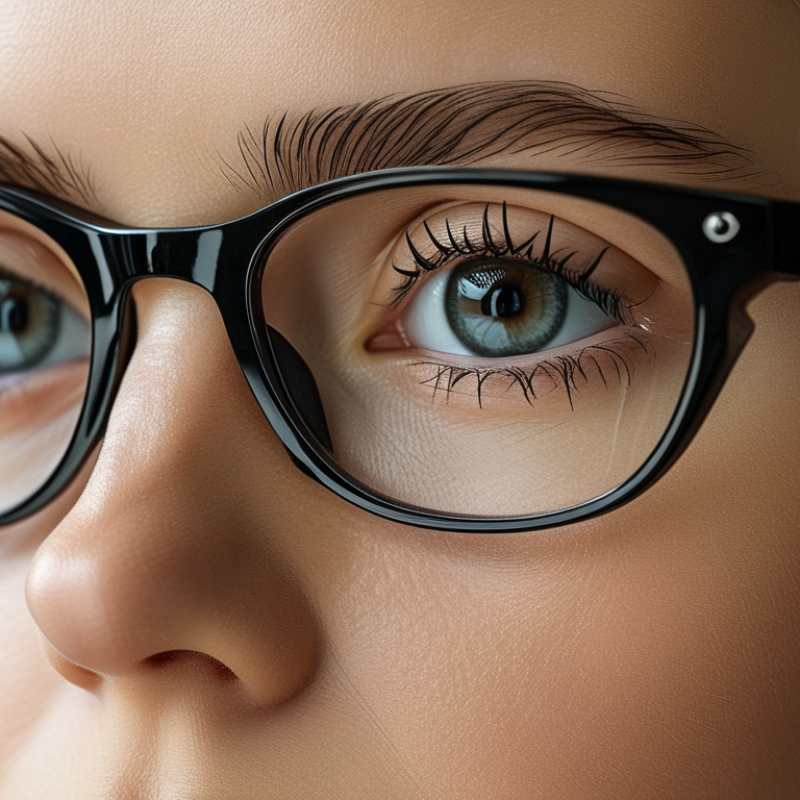
High Definition Contact Lenses (HDCL) have transformed vision correction. Unlike standard lenses, HDCL can enhance clarity, contrast, and detail. According to a report by the American Academy of Optometry, nearly 80% of wearers experience improved visual performance. This improvement is particularly noticeable in low light conditions.
The design of HDCL utilizes advanced technology, allowing for optimal clarity at various distances. Modified aspheric surfaces help reduce spherical aberration, which affects night vision. Data from the Vision Council shows that 90% of users report less eye strain, which is crucial for those with demanding visual tasks. They can substantially enhance the overall quality of life by making daily activities more comfortable and enjoyable.
However, selecting the right HDCL is not without challenges. Proper fitting and prescription accuracy are vital for maximizing benefits. A misfit can lead to discomfort. Some users may also experience adjustment issues, which require patience. Consulting an eye care professional ensures personalized recommendations, taking into account individual vision needs.
When selecting high definition contact lenses, clarity is paramount. One essential factor is lens material. Comfortable lenses can enhance your experience. Advanced materials, like silicone hydrogel, allow oxygen flow. This feature keeps your eyes healthy and comfortable throughout the day.
Another critical aspect is fitting. A proper fit can significantly affect visual quality. Ill-fitting lenses may cause discomfort and blurred vision. Schedule an eye exam for accurate measurements. Your eye care professional can help find the right lenses for you.
Consider the lens design as well. Options may include spherical, toric, or multifocal designs. Each serves distinct visual needs. Eye health is paramount. Regular assessments ensure the lenses suit your lifestyle. Reflection on your habits can uncover underlying issues.
Do you have dryness after extended wear? Adjustments might be vital for clarity.
Choosing the right contact lenses requires a careful assessment of your vision needs. Clarity is vital, and high definition lenses can enhance this aspect significantly. Consider how you use your eyes daily. If you work long hours at a computer or enjoy outdoor activities, your lens choice should reflect these conditions.
Tips: Always consult with an eye care professional. They can provide insights based on your eye health and vision requirements. Don't rely solely on online information; personal assessments are crucial.
When evaluating lenses, consider your lifestyle. Are you often in bright environments? Look for lenses that offer UV protection. Also, think about comfort. High definition lenses should not only improve clarity but also feel good. If you experience discomfort, it might indicate the wrong choice.
Tips: Pay attention to any irritation or blurred vision. These could suggest an adjustment is needed. Regular check-ups can help refine your choices over time. Remember, the goal is both clarity and comfort in your everyday visual experience.
When selecting high definition contact lenses, understanding the various brands and types is essential. These lenses are designed to enhance clarity and provide sharper vision. Different brands may offer unique features, catering to specific needs. For instance, some may focus on comfort, while others prioritize moisture retention or extended wear.
Each type of lens has its unique benefits. Spherical lenses typically correct nearsightedness and farsightedness effectively. Toric lenses, however, are specially crafted for astigmatism, ensuring that vision remains clear. Multifocal options cater to those with presbyopia, offering different lens powers for various distances. Users often find that the best choice depends on individual vision and lifestyle needs.
Choosing the right lens can be overwhelming. Many factors come into play, such as eye sensitivity and personal preferences. Some users may experience discomfort or dryness with one type but find others perfect. Always remember to consult an eye care professional for personalized advice. They can provide insights based on your eye health and vision requirements. This approach helps in making informed decisions, ensuring you get the clarity you seek.
Choosing the right high definition contact lenses is crucial for achieving optimal vision clarity. However, selecting the perfect fit can be challenging. Consulting with an eye care professional is essential in this process. They possess the expertise to assess your unique eye shape and prescription needs. This ensures that your lenses will provide the clarity and comfort you desire.
A qualified eye care provider can evaluate factors like corneal curvature and tear production. These details can significantly influence the performance of your contact lenses. It's not just about the prescription; it's about how well the lenses interact with your eye anatomy. Sometimes, patients discover they need a different lens material that suits their eyes better. This can lead to improvements in comfort during wear.
Open dialogue with your eye care professional is vital. Share your daily activities, from sports to long hours of screen time. This information helps them recommend lenses that align with your lifestyle. The right lenses can alleviate issues like dryness or blurriness, but finding them requires expert guidance. Remember, not every option suits everyone. Reflecting on your experiences can guide future choices.
: Clarity is paramount. The lens material and fit greatly influence visual quality.
Advanced materials, like silicone hydrogel, enhance oxygen flow, keeping eyes healthy and comfortable.
Schedule an eye exam for accurate measurements. An eye care professional can help find the right fit.
Options include spherical, toric, and multifocal designs, catering to different visual needs.
Reflect on daily activities and consult with an eye care professional for personalized recommendations.
Pay attention to irritation or blurred vision. Adjustments might be necessary for clarity and comfort.
Yes, if you’re often in bright environments, look for lenses that offer UV protection.
Regular check-ups can help refine lens choices and ensure they suit your lifestyle.
Yes, each brand may have unique features catering to specific needs like comfort and moisture retention.
Reflection on discomfort can reveal underlying issues. Consult with an eye care professional to reassess needs.
High Definition Contact Lenses are designed to provide enhanced clarity and comfort for wearers, making them a popular choice for those seeking improved visual performance. When choosing these lenses, it is crucial to understand their benefits, including sharper vision and reduced glare. Key factors to consider include your specific vision needs, lifestyle, and any particular eye conditions that may affect lens suitability.
To ensure optimal lens clarity, it is essential to evaluate your vision requirements thoroughly. Different brands and types of High Definition Contact Lenses are available, each offering unique features tailored to various needs. Lastly, consulting with an eye care professional can provide personalized recommendations and help find the best fit for your eyes, ensuring you make an informed decision for your visual health.
