In recent years, Natural Color Contact Lenses have gained immense popularity. According to a report by Market Research Future, the global contact lens market is expected to reach $20 billion by 2026. This reflects a growing interest among consumers seeking aesthetics and usability. The desire for a natural look drives this trend, as many buyers prioritize comfort and appearance.
However, not all lenses meet quality standards. It's crucial to choose lenses from trusted brands. Experts recommend looking for products that adhere to safety regulations. Innovative technologies have improved comfort and wearability, but careful selection is still vital. Some lenses can cause discomfort or irritation if not suited to individual needs.
As the market expands, consumers face overwhelming choices. Understanding the attributes of Natural Color Contact Lenses is essential. Detailed specifications, including materials and design, can impact the overall experience. Buying decisions should be informed and cautious. While enhancing beauty, prioritizing eye health remains paramount.
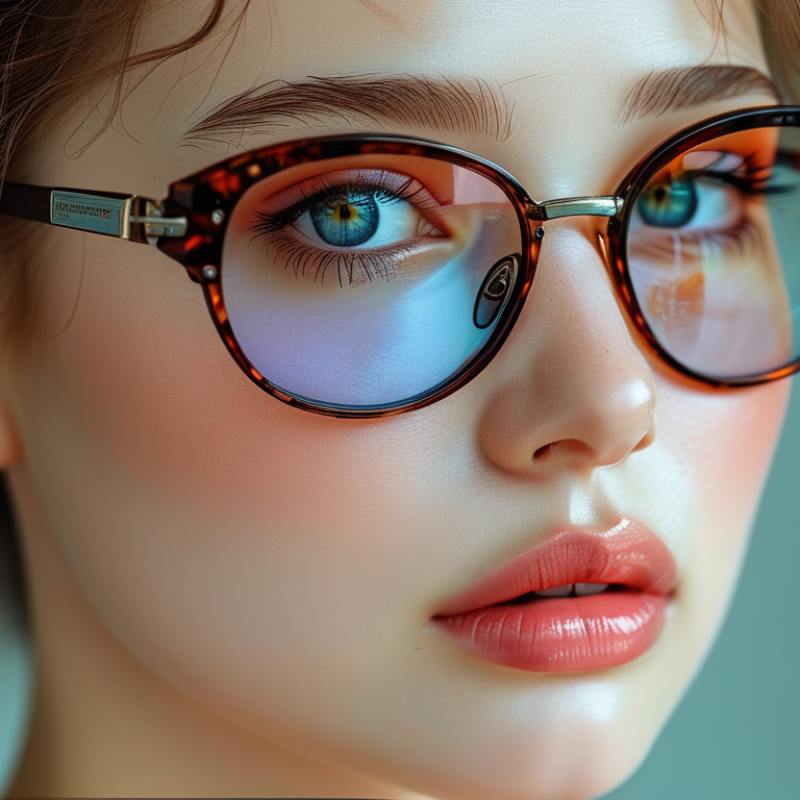
As we look into 2026, the trends in natural color contact lenses evolve continuously. Many global buyers seek a combination of aesthetic appeal and realism. The preference leans towards shades that complement one’s natural eye color. Popular choices include subtle greens and warm browns. These hues enhance brightness without overwhelming the gaze.
Moreover, there's a noticeable shift towards lenses that promote eye health. Wearers now seek options that provide hydration and breathability. Innovations in material technology contribute to this trend. Buyers favor lenses that are comfortable for long wear and offer UV protection.
However, some challenges arise. Many consumers still struggle to find perfect matches for their eye colors. It can be frustrating when the result is different from expectations. Reviews and user feedback play a crucial role in guiding these choices. Open conversations about experiences can help others navigate their selections effectively.
Natural color contact lenses are evolving rapidly, providing users with innovative and realistic options. Recent advances in manufacturing technologies have made lenses more comfortable and visually appealing. These innovations focus on enhancing color blending and mimicking natural eye textures. The result? A more seamless look that caters to diverse preferences.
When selecting natural color lenses, consider your eye health. Not all lenses suit everyone. Opting for breathable materials can help prevent dryness. Remember to consult with a professional for personalized advice.
There's a fine line between enhancement and authenticity. Some lenses may enhance your appearance, but could feel unnatural. Be open to feedback from friends or family. Often, they can provide insights on how the lenses look on you. Balancing aesthetics with comfort is crucial for a satisfying experience.
In 2026, the natural color contact lens market features several leading brands known for their innovation and quality. Consumers seek lenses that enhance eye color while maintaining a natural appearance. Many brands strive to balance comfort and aesthetics. Some offer lenses that mimic the subtle variations found in natural eyes. This technique creates a more realistic look compared to traditional styles.
Leading brands focus on user experience as a priority. Their products are designed to be breathable and moisture-rich. Many lenses come with UV protection and anti-reflective coatings. These features enhance safety and comfort. However, not all options are suitable for everyone. Some wearers may experience irritation or dryness. It's essential to consult with an eye care professional to find the right fit.
Another aspect to consider is the range of colors available. From subtle hazels to striking greens, the options are diverse. Yet, finding a perfect match can be challenging. Each person’s unique eye chemistry influences how lenses appear. Users should take time to research and try different shades. Personal experiences can vary widely. Adjusting to new lenses takes patience and consideration.
When searching for natural color contact lenses, consumers prioritize a few key factors. Comfort ranks high on their list. Many buyers express concern about irritation or dryness. They often prefer lenses made from breathable materials that enhance comfort. The perfect fit is essential, as it impacts overall experience. Buyers appreciate lenses that stay in place throughout the day.
Aesthetics also play a crucial role in the decision-making process. Shades that enhance natural eye color are preferred. Subtle blends are often more attractive than vivid colors. Many buyers seek lenses that look invisible, allowing their natural beauty to shine. Consumers often discuss the importance of realistic designs in online forums. They want products that replicate the beauty of natural eyes without appearing artificial.
Marketing can be misleading. Some lenses described as "natural" do not meet expectations. Buyers often share stories of disappointing purchases. They recommend researching before committing to a brand. Reviews and testimonials can provide valuable insights. Many find that online communities foster better understanding. Gathering diverse opinions helps them make informed choices.
| Feature | Description | User Rating (out of 5) | Price Range ($) |
|---|---|---|---|
| Natural Look | Realistic colors that blend well with natural eye color. | 4.5 | 20 - 35 |
| Comfort | High moisture content for all-day comfort. | 4.7 | 25 - 40 |
| UV Protection | Filters UV rays to protect the eyes. | 4.6 | 30 - 50 |
| Durability | Long-lasting lenses with minimal wear and tear. | 4.4 | 15 - 30 |
| Variety of Colors | Wide range of colors to choose from. | 4.8 | 20 - 45 |
Natural color contact lenses are popular for enhancing eye appearance. However, safety standards and regulations vary globally, impacting buyers' choices. Not all lenses meet the same safety criteria, making it important for consumers to be informed.
When considering natural color contact lenses, check for certifications. Look for lenses approved by reputable organizations. Ensure they comply with health regulations in your region. This can prevent potential eye issues or infections. Avoid products lacking proper labeling or documentation.
Tips: Always consult with an eye care professional before trying new lenses. They can offer personalized recommendations based on your eye health. Regular check-ups can help maintain eye safety. Be cautious of overly vibrant colors; they might not always look natural. Choosing subtle shades can lead to a more authentic appearance.
This chart illustrates the compliance rates of various safety standards applicable to natural color contact lenses globally. The data indicates a strong adherence to regulatory guidelines, ensuring consumer safety across different markets.
: Comfort is often the top priority. Buyers want breathable materials that reduce irritation and dryness.
A perfect fit impacts comfort and prevents lenses from slipping throughout the day.
Many prefer subtle blends that enhance their natural eye color rather than vivid colors.
Some products labeled "natural" may not meet expectations. Research is vital before making a purchase.
Look for certifications and compliance with health regulations to ensure safety.
Professionals can provide tailored recommendations based on unique eye health needs.
They offer diverse opinions and reviews, helping consumers make more informed choices.
Overly vibrant colors might appear unnatural. Subtle shades are usually more appealing.
Regular visits help maintain eye health and catch potential issues early on.
Many buyers report disappointment with their purchases, often due to misleading marketing claims.
The article "2026 Best Natural Color Contact Lenses for Global Buyers" explores emerging trends and consumer preferences in the natural color contact lenses market. It highlights the significant global shift toward more realistic-looking contact lenses, driven by advancements in manufacturing technologies that enhance comfort and aesthetic appeal. Key insights reveal that buyers prioritize factors such as color versatility, eye safety, and overall visual experience when selecting natural color contact lenses.
Additionally, the discussion covers the top brands currently leading the market and emphasizes the importance of adhering to safety standards and regulations for the production and sale of natural color contact lenses. As consumers become more discerning in their choices, understanding these factors will be crucial for both manufacturers and buyers in fostering a safe and satisfying lens-wearing experience.