Choosing Luxury Contact Lenses for your brand means creating more than an attractive product. It means building trust through design, comfort, safety, and consistent quality. A premium lens may feature refined colors, subtle patterns, or packaging that feels like a small jewelry box. These details can shape how customers remember your brand. However, luxury should never depend on appearance alone. Customers expect reliable materials, accurate labeling, professional guidance, and responsible manufacturing.
Luxury Contact Lenses can help brands stand apart in a crowded beauty and fashion market. Carefully developed shades may complement different skin tones and styling preferences. A soft, natural finish often feels more wearable than an overly dramatic effect. Still, product development requires patience. A color that looks elegant in digital images may appear different under daylight. Comfort can also vary between wearers. That is why brands should work with qualified eye-care professionals, experienced manufacturers, and documented quality-control processes.
Trust takes time.
Strong brands test more than visual appeal. They review fit, moisture performance, packaging protection, customer instructions, and regulatory requirements in each target market. Some early ideas may need revision, and that is not a weakness. It shows responsible decision-making. Clear usage guidance and honest product descriptions can protect customers while strengthening long-term credibility. When luxury meets professional expertise and transparent standards, contact lenses become a thoughtful brand investment rather than a short-lived trend.
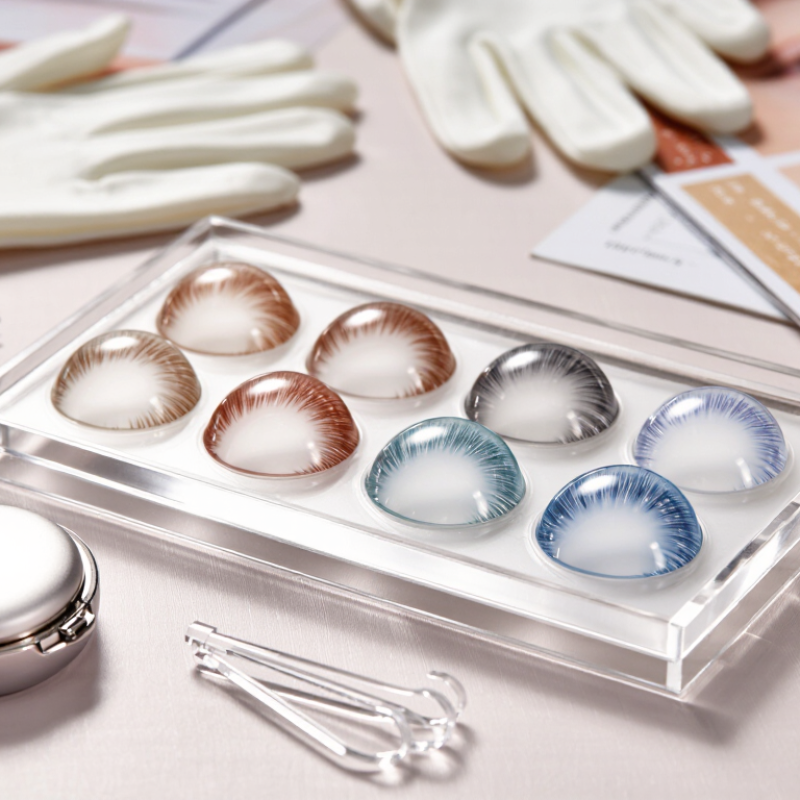
Luxury contact lenses are defined by more than an attractive color or polished packaging. They combine controlled design, precise fitting, dependable materials, and consistent optical performance. In clinical fitting, small details matter. A smooth edge can reduce friction, while stable movement supports clearer vision during blinking. Breathable materials also help maintain oxygen flow across the cornea. These qualities are difficult to judge from photographs alone.
A truly premium lens should begin with an eye examination and an accurate prescription. The fitting process considers corneal shape, tear quality, lifestyle, and wearing time. A specialist should explain cleaning, replacement schedules, and warning signs. Redness is not a luxury feature. Neither is discomfort. Traceable production and clear care instructions strengthen trust because quality must be verifiable. For colored lenses, transparent pigment placement matters too. The color should look refined, not artificial, under daylight and indoor lighting.
I used to associate luxury with visual drama, but comfort changes that judgment. A lens may appear exquisite and still feel wrong after three hours. That is where many product descriptions fall short. The better standard is quiet performance: natural movement, clean vision, and a secure fit. Even premium materials need responsible handling and professional review. No lens is perfect for every eye. That limitation deserves honest attention.
Luxury contact lenses can make brand identity visible at eye level. They add color, depth, and a controlled sense of rarity to visual campaigns, retail displays, and client experiences. Grand View Research estimated the global contact lens market at about USD 9.7 billion in 2023, with continued growth expected through 2030. This suggests strong room for premium positioning, but luxury cannot rely on packaging alone.
A refined lens collection should express the brand’s visual language. Soft hazel tones may communicate warmth, while sharp gray gradients can suggest precision. McKinsey’s 2021 personalization report found that 71% of consumers expect personalized interactions. Custom color palettes and limited seasonal designs can support that expectation.
Still, a beautiful lens that feels dry or uncomfortable damages trust quickly. Material safety, professional fitting, clear care instructions, and compliant claims should guide every creative decision. I would not promise transformation. It sounds impressive, but it can feel unreliable.
Tips: Connect each shade to a specific brand value. Test colors under daylight, studio lighting, and close-up photography. Ask wearers about comfort after several hours, not only their first reaction. Keep medical and cosmetic claims clearly separated. A small usability flaw may reveal more than a large campaign.
Luxury contact lenses should feel refined, not merely decorative. Material selection creates that difference. Silicone hydrogel can deliver higher oxygen transmission than traditional hydrogel, supporting longer comfortable wear when properly fitted. ISO 18369-1 defines key lens parameters, including material properties, power, and geometry. These standards give manufacturers a technical foundation, but testing must continue beyond the laboratory.
Water content also needs careful balance. High-water materials may feel soft initially, yet they can lose moisture during extended wear. Surface treatments, smooth edges, and stable tint integration can improve comfort and visual consistency. The U.S. Centers for Disease Control and Prevention estimates that about 45 million Americans wear contact lenses. That scale makes quality control essential, especially for lenses designed to appear premium. The FDA classifies contact lenses as medical devices, so prescription accuracy, sterile packaging, and traceable production are not optional details.
Tips: Evaluate oxygen transmissibility, not marketing language alone. Request independent testing for comfort, color stability, microbial safety, and dimensional accuracy. A well-designed lens should maintain its shape after blinking and resist uneven pigment distribution. Premium packaging helps, but it cannot repair poor material performance. Even experienced teams can overvalue appearance. That is worth questioning. Consumer trials should include dry environments, screen-heavy work, and realistic wear schedules. Claims should match measured results, with limitations stated clearly.
Luxury contact lenses can turn a small product into a memorable brand experience. Customization gives customers control over color, pattern, opacity, and packaging details. These choices can express mood, identity, or a carefully designed lifestyle.
McKinsey’s Next in Personalization report found that 71% of consumers expect personalized interactions. It also reported that 76% feel frustrated when personalization is missing. For luxury lenses, this insight matters. A refined consultation can recommend tones for different lighting, eye colors, and occasions. A custom case, embossed label, or handwritten care card can make delivery feel considered. The experience should remain practical, though. Over-customization may slow production or create confusing choices. That weakness deserves honest testing.
Tips: Offer a focused palette, not endless options. Show realistic eye-color previews. Explain comfort, hygiene, replacement schedules, and professional fitting clearly. Use premium materials, but avoid decorative details that weaken usability. Bain & Company and Altagamma valued the global personal luxury goods market at €362 billion in 2023. This scale suggests strong demand for elevated experiences, but market size alone does not guarantee loyalty. Customers remember how smoothly the product fits into real life. Small friction still matters.
Consumer research shows that personalization strongly influences expectations, satisfaction, and repeat-purchase intent. For luxury contact lenses, customized colors, packaging, design details, and consultation experiences can help transform a functional product into a more memorable brand experience.
Data shown as the percentage of consumers reporting each behavior or expectation in widely cited 2021 personalization research.
Luxury contact lenses can elevate a brand’s image, but appearance is only one buying factor. Buyers now examine comfort, safety, traceability, and product consistency. Grand View Research valued the global contact lens market at approximately USD 9.7 billion in 2023. It also projects continued growth through 2030. That opportunity is attractive. It is not automatic.
Before choosing a supplier, brands should verify material quality, oxygen transmissibility, water content, and wearing duration. They should request test records, batch tracking, stability data, and documented quality controls. ISO 13485 certification can support confidence, although certification alone does not guarantee a perfect product. In the United States, the FDA treats contact lenses as medical devices, including decorative lenses. Requirements differ across markets. The CDC reports that about 45 million Americans wear contact lenses, showing the scale of consumer responsibility. A premium finish cannot excuse weak instructions or unclear warnings.
Tips:
Ask for independent laboratory reports. Review complaint and return data. Test samples in realistic lighting and daily-use conditions. Check whether packaging protects each lens during shipping. Avoid judging quality from the case alone.
Luxury positioning also needs practical evidence. Customers may notice a vivid color first, but discomfort ends repeat purchases quickly. Forecasts can change. Consumer preference is harder to predict than production quality. Brands should compare supplier responsiveness, regulatory support, minimum order quantities, and recall procedures before signing. A careful review may feel slower, but one overlooked detail can damage trust faster than an expensive campaign can rebuild it.
It combines accurate fitting, smooth edges, breathable materials, and stable optical performance. Attractive packaging alone is not enough.
An examination checks your prescription, corneal shape, tear quality, and wearing needs. Every eye has different requirements.
Customers may choose colors, patterns, opacity, cases, and care cards. These details can express identity without sacrificing comfort.
Probably not. A focused palette feels clearer and easier to use. Too many options may create hesitation.
A refined color should look natural in daylight and indoor light. Realistic previews help, but screens can still mislead.
Clear cleaning instructions, replacement timing, warning signs, and professional fitting advice should be included. Keep the care card simple.
Yes. It may look elegant but feel uncomfortable after three hours. Visual drama cannot replace a secure, comfortable fit.
A well-made case, a clear label, and a handwritten care card add warmth. Decorative choices should not weaken daily usability.
Look for traceable production, clear instructions, and professional review. Photographs reveal very little about fit or oxygen flow.
No lens suits every eye. That limitation should be stated honestly. Some choices still need testing.
Luxury Contact Lenses are designed for brands that want to offer more than a standard vision product. They combine refined appearance, reliable comfort, precise craftsmanship, and carefully selected materials to create a premium customer experience. Their colors, patterns, finishes, and packaging can be developed to reflect a brand’s personality, helping establish a stronger visual identity and a more memorable connection with consumers. By emphasizing quality and thoughtful design, these lenses can support a brand image centered on elegance, individuality, and trust.
Before choosing Luxury Contact Lenses, brands should carefully evaluate material safety, wearing comfort, optical performance, production consistency, customization options, minimum order requirements, packaging needs, and supplier reliability. A successful product should balance distinctive design with practical usability and responsible quality control. When these factors are considered together, customized lenses can become an effective part of a broader brand strategy, delivering a polished and cohesive experience while meeting consumer expectations for comfort, style, and dependable performance.
